Are Iran’s theocratic leaders in Washington’s crosshairs after the US abducted Venezuela’s President Nicolas Maduro?
The US has threatened a number of other countries in recent days, including Greenland, Colombia, Cuba and Mexico.
But President Donald Trump has for years consistently piled the pressure on Iran’s leadership, which is facing the biggest round of protests since 2022 as Iranians demonstrate against plunging living standards.
Trump said last Friday the US is “locked and loaded” and will attack Iran if the Iranian government kills protesters. He followed up on Sunday, saying: “If they start killing people like they have in the past, I think they’re going to get hit very hard by the United States.”
Iran’s regional foe Israel also piled on the pressure, with Yair Lapid, Israel’s opposition leader, warning: “The regime in Iran should pay close attention to what is happening in Venezuela,” he wrote on X on 3 January.
There are a host of reasons why Trump would not want to get the US embroiled in another “forever” Middle Eastern conflict, not least the lingering fatigue felt by many Americans after the wars in Iraq and Afghanistan.
Many questions still swirl about the US intervention in Caracas, including its legality as well as how Washington plans to run another country.
But Trump has followed through with many of the threats he has made over the last year, and Tehran - which had been an ally of Maduro - has to take him seriously.
Iran braces for escalation as protests grow and tensions rise
Israel went to war against Iran last June, and the US helped by bombing three nuclear sites. But Iran’s leaders remain in place, including President Masoud Pezeshkian, albeit under severe political and economic pressure.
Iran’s protests entered their second week after starting on 28 December when a group of shopkeepers in Tehran’s Grand Bazaar simply shuttered their shops.
The Iranian rial had dropped to 1.42 million against the US dollar, making a 56% fall in six months, while food prices have risen by 72% over the last year.
The economy has further deteriorated since the UN Security Council brought back sanctions last September after Iran and European countries failed to reach accord on a nuclear deal. Trump withdrew from the nuclear accord in 2018.
Since that isolated protest in Tehran, tens of thousands of other Iranians have taken to the streets in at least 78 cities.
Social media posts say the authorities have reacted with force in some cases and that at least 36 people have been killed and more than 990 people arrested.
"Rioters must be put in their place" - Iran’s Supreme Leader Ayatollah Ali Khamenei
The protests have been sporadic and lack any centralised leadership or focal point, unlike in 2022 when people rallied after the death of Mahsa Amini, who died in police custody after she was arrested for not properly covering her hair. Iranian women in many cities now openly flout the headscarf requirement.
Whether the protests continue or escalate will depend partly on the response of Iran’s leaders, who have little room to manoeuvre either at home or abroad.
Few Iranians are likely to be overwhelmed by the government’s announcement last Sunday that they would receive a monthly allowance equivalent to $7 for the next four months aimed at easing their economic pain.
Iran’s Supreme National Security Council held an emergency meeting last Friday, and it discussed how to contain the protests with less violence to prevent an escalation in public anger, according to a New York Times report. “Any policy in the society that is unjust is doomed to fail,” Pezeshkian said in a speech on Thursday. “Accept that we must listen to the people.”
However, Iran’s Supreme Leader Ayatollah Ali Khamenei said, “Rioters must be put in their place.” He repeated claims that foreign powers such as Israel or the US were behind the protests.
The Supreme National Security Council has reportedly started preparing for the possibility of military strikes, perhaps by the US and/or Israel, given the heightened rhetoric of recent days.
Trump warning looms as Iran faces pressure at home and abroad
Israeli hardliners have long wanted regime change in Iran. Israel’s war that ended on 24 June included the assassination of military leaders, nuclear scientists and politicians, and some Israeli officials had hoped the US air strikes would precipitate the regime’s toppling.
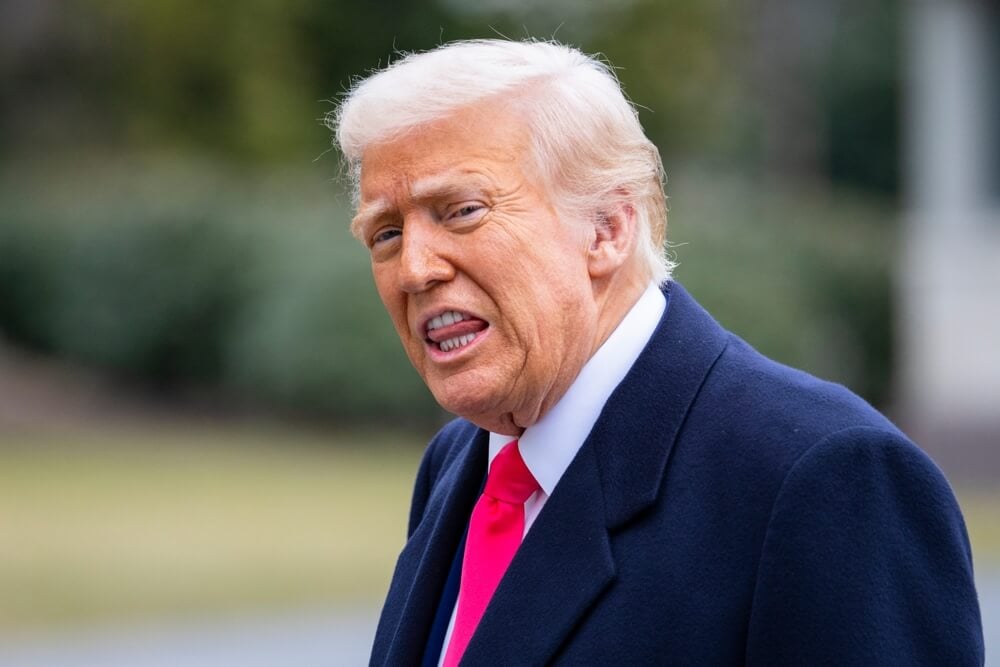 We are in the business of having countries around us that are viable and successful and where the oil is allowed to freely come out - Donald Trump
High on Washington’s list of concerns as it considers any further action in Iran will be the impact on oil prices, particularly given that its intervention in Venezuela was motivated in large part by its resource wealth.
“We are in the business of having countries around us that are viable and successful and where the oil is allowed to freely come out,” Trump said on Sunday.
A report by Citigroup has projected a rise in oil prices of 15% to 20% based on further conflict between Iran and Israel and if the protests in Iran spread and disrupt oil exports.
Tehran is in its weakest position in recent years. It lost allies in Syria after the fall of Bashar Assad and in Lebanon with Israel’s strikes against Hizbollah.
They need to listen to the warning made by Marco Rubio, US secretary of state, who said about Trump: “When he tells you that he’s going to do something, when he tells you he’s going to address a problem, he means it.”
