Many people still think of networks mainly in terms of speed, such as improved coverage, reduced latency, and quicker downloads. But this viewpoint is outdated. Optical networks are becoming the foundation of contemporary technology in 2026.
Without optical infrastructure, AI, cloud computing, data centres, autonomous systems, and immersive experiences cannot grow. I believe optical networks will be one of the most important technology trends this year and still one of the least understood outside engineering circles.
To advance innovation, resilience, and growth, we should focus more closely on the optical networks that enable these developments.
What are optical networks?
The basics. Optical networks transmit data via fibre-optic cables using light. The scope, intensity, and urgency of the current demand are unparalleled, even if the technology itself is not new.
We can all agree that AI workloads transfer enormous amounts of data between cloud platforms, edge locations, and data centres. Power consumption, heat, and physical limitations are problems for traditional electrical networking.
Optical networks provide key connectivity
Optical networks bypass a number of these constraints by offering greater capacity, lower latency, longer-distance transmission, and noticeably better energy efficiency. The development of AI exposed our preexisting reliance on optical networks rather than creating the need for them.
Each time a model is trained, a cloud service scales, or a real-time decision occurs across regions, optical networks provide key connectivity.
Optical networks are rising
First, thanks to AI and machine learning, data movement is reaching previously unheard-of heights. Fast, dependable interconnects are key for inference and training.
Second, the global expansion of data centres is speeding up. Inter-data centre communication is becoming a strategic issue as hyperscalers build at scale.
Compared to electrical networks, optical networks consume less electricity per bit
And third, sustainability is becoming more and more determining. Compared to electrical networks, optical networks consume less electricity per bit. Efficiency becomes a corporate necessity as energy restrictions rise.
These elements make optical networking a very valuable strategic tool.
Five optical network players to watch this year
By making significant investments in converged IP optical designs that streamline network design, pluggable modules, and coherent optics, Cisco keeps making waves.
With significant progress in photonic integration, Nokia continues to lead the world in optical transport, particularly in long-distance and underwater networks.
Ciena shines with its software-driven automation and high-performance optical solutions, especially in carrier and hyperscale settings.
With its sophisticated photonics and extensive deployments, Huawei is a major global player in optical networking innovation, especially in areas outside of North America.
And a frontrunner in silicon photonics, which offers high-capacity transmission and efficiency advantages, sets Broadcom apart.
Three underdogs worth watching this year
Juniper Networks is expanding its optical capabilities through partnerships and the integration of coherent optics.
Arista Networks is becoming more relevant as data centre operators seek closer integration between optical transport and switching fabrics.
ADTRAN offers strong expertise in open optical networking and disaggregated architectures.
Collectively, these companies influence the movement of data on a global scale. I will be keeping an eye on all of them this year.
Optical network benefits
The expansion of AI workloads requires increased bandwidth without a corresponding increase in power consumption.
Real-time applications over long distances are made possible by reduced latency, which is essential for industrial systems, finance, and autonomy.
Optical networks' future-proof infrastructure supports growth without the need for continual redesign
Because optical communications can span long distances with fewer repeaters and lower failure rates, reliability is improved.
Cost efficiency increases over time. Although initial investments are high, operational savings accumulate.
Most importantly, optical networks' future-proof infrastructure supports growth without the need for continual redesign.
Optical networks still fall short
Despite significant progress, the dreaded challenges persist.
Deployment speed does not match the current demand in the market. Fibre rollout requires a lot more time, coordination, and capital.
Due to the highly specialised nature of optical networking technology, there are still skills gaps that prevent adoption in some areas.
Open optical systems provide freedom, but integration is still very difficult
Improvements are needed for interoperability. Open optical systems provide freedom, but integration is still very difficult.
And since visibility and monitoring are not as advanced as those of IP layers, security at the optical layer needs more attention.
Focused funding and capable leadership are required to resolve these issues.
Improvements over the next five years
What we should see are pluggable coherent optics that become standard, reducing costs and simplifying upgrades, while photonic integration should continue to improve power efficiency and density.
Automation and AI-driven network management will reduce operational complexity. And open optical architectures will mature, increasing vendor flexibility. Edge optical connectivity will expand as compute moves closer to users.
All of these improvements combined will further integrate optical networks into enterprise and cloud strategies.
Five-year prediction
By 2031, optical networking will become a topic of discussion in more boardrooms and data centres. Executives will monitor optical capacity as closely as cloud expenditures.
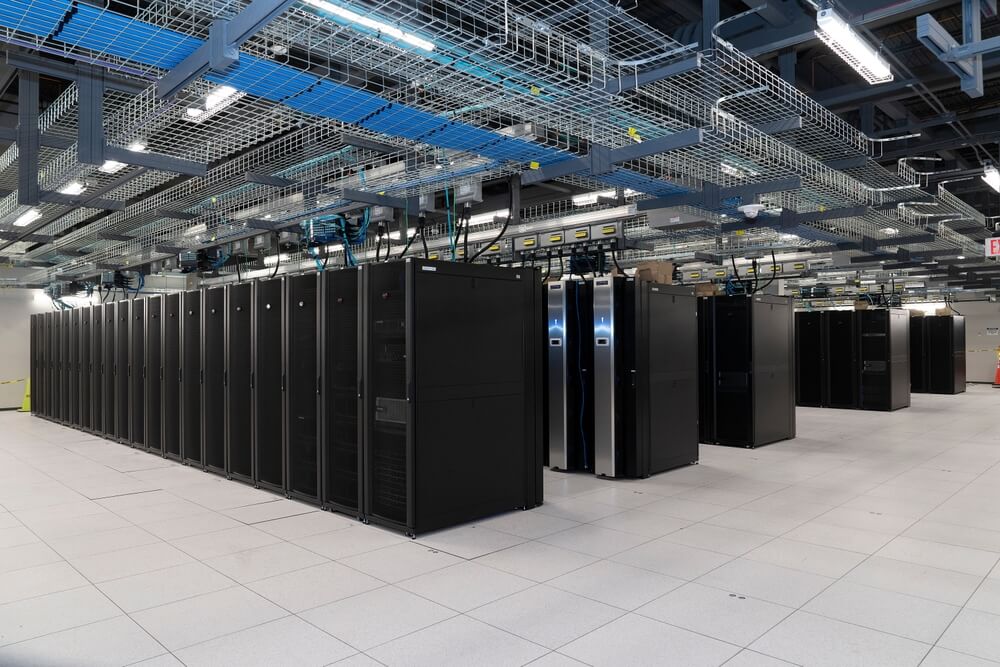 By 2031, optical networking will become a topic of discussion in more boardrooms and data centres
Energy-efficient networking will have an impact on site selection, and AI readiness will entail optical readiness. Companies that plan ahead and invest early will expand more quickly, operate more sustainably, and be better equipped to handle future demand.
Growth rate and operational efficiency are both impacted by the strategic leverage that optical networks offer.
Because optical networking is at the nexus of engineering, sustainability, and global influence and provides foundational work that moulds entire ecosystems, it presents considerable opportunity for those joining the technological profession.
For individuals involved in execution and the future of innovation, it is proof that innovations require a strong infrastructure. Ideas can only move at the speed of light if the necessary pathways exist.
Not all is about making headlines. Impact is.
Optical networks rarely make headlines. They are not flashy and are not marketed as consumer products. Yet they power everything that does.
As discussions around AI, automation, and digital transformation continue, it is essential to recognise the foundational role of optical networks. Durable infrastructure is key. So, are you building for the visible layer or for the foundational infrastructure that supports it?
If you lead a technology-driven organisation, now is the time to define your optical strategy for maximum impact.
