First the good news. Relations between Andy Burnham and Donald Trump have made a positive start in what the new UK prime minister described as a “warm” call with the US president.
Trump was also upbeat, posting that they discussed the “outstanding relationship” their countries have had.
Beyond the diplomatic pleasantries, how long will the good mood last, given a range of issues with the potential to push Washington and London apart?
Some of them came up during the two leaders’ first 15-minute exchange, just hours after Burnham took up his new post: the situation in the Hormuz Strait and the wider Middle East, energy supply, trade and defence.
The two countries have had their differences in the eight decades since they emerged from World War II as architects of the often imperfect rules-based order and as key allies in the Cold War.
The challenges have multiplied in President Trump’s erratic second term in which his vision of modern Britain and its leaders has see-sawed from the nostalgically affectionate to the dismissively abrasive.
In the UK, that has prompted a reassessment of the relationship in which a new reality might extend beyond Trump’s tenure in the White House.
A recent parliamentary report on rebalancing the UK-US partnership concluded that it was time for the UK to dismiss previous sentimentality about a ‘special relationship’.
“While the US remains a close ally, its strategic and political priorities mean that future relations with the UK will be far more transactional and interest based,” according to the April report of the House of Lords International Relations and Defence Committee.
Getting on the right side of Trump
Getting on the right side of Trump in his second term was a foreign policy priority for Burnham’s predecessor Keith Starmer. Mindful of the White House pushback that Starmer faced on a number of issues, not least his reluctance to being drawn into Trump’s war on Iran, his successor has adopted a more cautious stance.
In his first wide-ranging interview in his new job, he told the BBC he would be prepared to call out Donald Trump to defend Britain's national interest.
Burnham basically reiterated what had become Starmer’s stance in response to disagreements with Washington
In the same interview in which he spoke of the warm call with the US president, he said, “Clearly, the US is a long standing ally. We need to have good relations with them but if they do something we disagree with, we should honestly say so.”
In what were among his first remarks on foreign policy in his first week in office, Burnham basically reiterated what had become Starmer’s stance in response to disagreements with Washington.
Focus on domestic issues
The former Greater Manchester mayor was focused on domestic issues from the outset, and his early pledges to cut household electricity bills and bus fares were met with a cautiously positive response, according to snap polling of a generally sceptical public.
Week two has forced him to look outwards as he welcomed Ukraine’s Volodymyr Zelensky as his first foreign visitor and amid reports that London and Washington are planning an early high-level meeting in the UK capital on a potential international maritime coalition to safeguard shipping in the Strait of Hormuz.
Trump admitted he didn’t know much about the new PM before his appointment, telling reporters he had heard he was the “mayor of a town” and “extremely liberal” and was therefore unlikely to open the North Sea to new oil and gas drilling.
He was positively effusive a few weeks later when it emerged that Burnham was contemplating relatively modest but controversial moves to boost production under existing contracts.
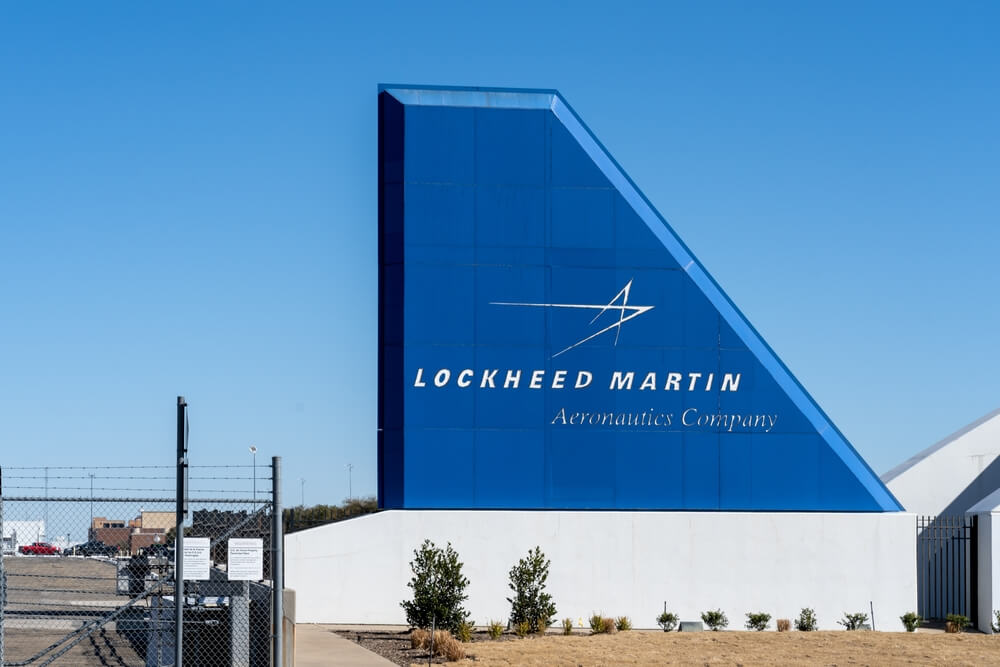 Lockheed is promising the Skyline 6 project would create 500 new jobs in the north-east of Engand
There are other projects in the pipeline that might prompt the US president to curb his enthusiasm. One to watch is a decision on how the UK government proceeds with a £2.4 billion military satellite contract that has sparked a bidding war between Europe’s Airbus and the US’s Lockheed Martin.
The Unite trade union is among those who have backed the Airbus bid, arguing it would preserve existing jobs in the south of England and keep intellectual property developed in the UK.
Lockheed is promising the Skyline 6 project would create 500 new jobs in the north-east of Engand and generate export potential and integration with the US military. An early decision is pending.
Navigating a new, less than special relationship
To what extent will the government factor in potentially irritating Washington in the light of the parliamentary committee’s advice that policy on defence and other areas should be based squarely on the UK’s own interests?
Its overall report did not predict a messy divorce but rather a mutual estrangement, pointing to cracks in the relationship on fundamental issues, shifts in the outlook of a younger British generation and political hostility towards the UK from elements of the Trumpian Magasphere.
The latter has led to rifts on fundamental tenets of the relationship, ranging from democratic norms to the rule of law, personal freedoms and a taboo on political interference in the internal affairs of allies.
Half of Britons favoured stronger ties with Europe over the one in 10 who would prefer to strengthen the UK-US relationship
A negative trend is apparent from polling that indicated half of Britons favoured stronger ties with Europe over the one in 10 who would prefer to strengthen the UK-US relationship.
There has always been a significant strain of British scepticism about what are often seen as one-sided ties with the Americans. That was reflected in the remark of one Conservative voter who told the YouGov pollster: “You can’t be an equal ally with someone who thinks you are beneath them.”
Burnham will be the latest UK leader to navigate a new, less than special relationship.
As the country seeks new international trade ties and defence arrangements focused on Europe, he may opt to make more autonomous choices, without the customary deferential glance across the shoulder to assess the reaction in Washington.
