Richard Nixon is doing what Richard Nixon did best – making a comeback. He’s just not around to see it.
The rest of us get to witness something almost as unlikely as a resurrection: an attempt to rehabilitate the image of the United States’ 37th president, who resigned in disgrace more than 50 years ago.
Even more unlikely, perhaps, is that the charge is being led by an online cohort of young conservatives who weren’t alive to witness the rise and fall of America’s most notorious chief executive.
The term they use is “Nixonmaxxing” – an attempt to burnish the history of the Republican president best known for leaving office in 1974 amid the Watergate scandal, through clips, speeches, and memes aimed at modern audiences. The effort has caught fire, with thousands of approving clicks and likes.
For instance, one clip recently posted to Instagram shows footage of Nixon famously saying, “People have got to know whether or not their president is a crook. Well, I’m not a crook. I’ve earned everything I’ve got.” The images are from a 1973 press conference as the Watergate scandal was mushrooming.
But the clip is interspersed with other images of Nixon greeting large crowds, riding in the presidential limo, and waving from Air Force One in a series of rapid-fire edits with “Rottweiler” by the English rapper EsDeeKid playing as the background track. It has 112,000 likes and has prompted more than 1,400 comments as of this writing.
The effect makes Nixon, if you’ll forgive the term, a bit “gangsta.”
Introducing Nixon to a new generation
The campaign is the brainchild of the Nixon Foundation housed at his presidential library in California, according to the Wall Street Journal. The intent was to introduce Nixon to a new generation, one that is largely unaware of his checkered place in history.
Like many online crazes, it has taken on a life of its own on sites such as Instagram and TikTok. There have been Nixon dress-up parties, Nixon birthday celebrations, posts such as “4 reasons why Nixon wasn’t actually that bad” and Nixon merch, including shirts that read: “Nixon: Now More than Ever.”
Nixon has long been a pop culture figure – even during his presidency – but until now one who has served as a reminder of the turbulent 60s and 70s
One TikTok post features images of Nixon scored to the Rolling Stones’ “Paint It Black” as if Nixon were part of the very counterculture he detested. Another, dedicated to the yellow legal pads Nixon wrote on, garnered 6,000 likes.
Some of the language attempts to paint him as an inspirational figure, perfectly suited for the self-help bromides of the web. “You can always have a comeback,” one post reads.
Nixon, of course, has long been a pop culture figure – even during his presidency – but until now one who has served as a reminder of the turbulent 60s and 70s and who has been portrayed largely as a caricature of corruption, paranoia, or irony.
Think of the photo of Nixon posing with Elvis Presley, the Nixon masks worn by bank robbers in the film “Point Break,” or the disembodied Nixon head in the animated show “Futurama.”
Nixon in the context of the Trump era
But this version of Nixon is one that treats Watergate as a plot by outside forces to tear him down, one that celebrates the president as a man who survived a hardscrabble upbringing, served in the U.S. Navy in World War II and reached the presidency in 1968 after the nation’s elites had counted him out.
It places Nixon squarely within the context of the Trump era, with Trump as the most recent victim of a “deep state” conspiracy to destroy his presidency. As with Trump, Nixon is portrayed as a fighter for the common man, scorned by the East Coast establishment, the original candidate of the “silent majority.”
Nixon himself worked diligently following his resignation to rehab his image. He traveled the world, wrote several well-received books on foreign affairs and at the end of his life, became a trusted unofficial adviser to President Bill Clinton, a Democrat, who delivered the eulogy at his funeral.
Nixon seems to have attracted fans for his pragmatism as much as for his ideology
That was fitting. Ironically given the renewed efforts of young Republicans to reclaim him, Nixon was accused by Ronald Reagan and others of having strayed from the party’s conservative principles.
During his presidency, Nixon established the Environmental Protection Agency, expanded the electorate, instituted wage and price controls, negotiated arms-reduction deals with the Soviet Union and opened diplomatic relations with China.
As such, Nixon seems to have attracted fans for his pragmatism as much as for his ideology. “I am once again here to remind you Nixon got railroaded, is not a crook, was the best modern president by far, and is cross compass unity,” one Reddit post read, using an internet slang term for something that sparks wide agreement.
Revisionism via social media is not new
Still, the reclamation project is being welcomed by some survivors of the Nixon administration, including Roger Stone, the longtime Republican political consultant who worked for Nixon’s 1972 re-election bid and has been a self-appointed keeper of the flame. (He sports a Nixon tattoo on his back.) Stone has worked as an off-and-on adviser to Trump.
“Nixon was awkward because he was human. He was cautious because he had been attacked. He was suspicious because many of the people surrounding him really were conspiring against him,” Stone wrote on his Substack earlier this month. “History has proved that his enemies were not imaginary. They occupied newsrooms, congressional offices, government agencies, universities, and even senior positions in both parties.
Vladimir Putin, Viktor Orbán and Recep Tayyip Erdoğan have sought to use social media to recast historical events to align with their worldviews
Today’s young conservatives recognize the pattern because they have watched the same machinery deployed against President Donald Trump.”
Revisionism via social media is not new. Hardliners such as Vladimir Putin, Viktor Orbán and Recep Tayyip Erdoğan have sought to use social media to recast historical events to align with their worldviews or to promote idealized images of themselves.
One could argue Trump engages in it on a weekly basis, using his personal accounts to give wildly differing depictions of what his own administration is doing than what the official channels post. He has also long used them to defend himself, push back at critics, and downplay events such as the 2021 storming of the U.S. Capitol.
A climate of mistrust
Trump’s vice president, JD Vance, helped fuel the Nixon rehab campaign in an appearance at the Nixon Library in June. Vance dismissed Watergate, saying that if the scandal “happened tomorrow, it would be like a 12-hour news story. Like, the idea that it would have taken down a presidency is crazy.” He agreed that Nixon, like Trump, was done in by the “deep state” – a cabal of government intelligence professionals, Democratic politicians and donors, and the media.
“I’ve always liked Richard Nixon,” added Vance, who was born in 1984.
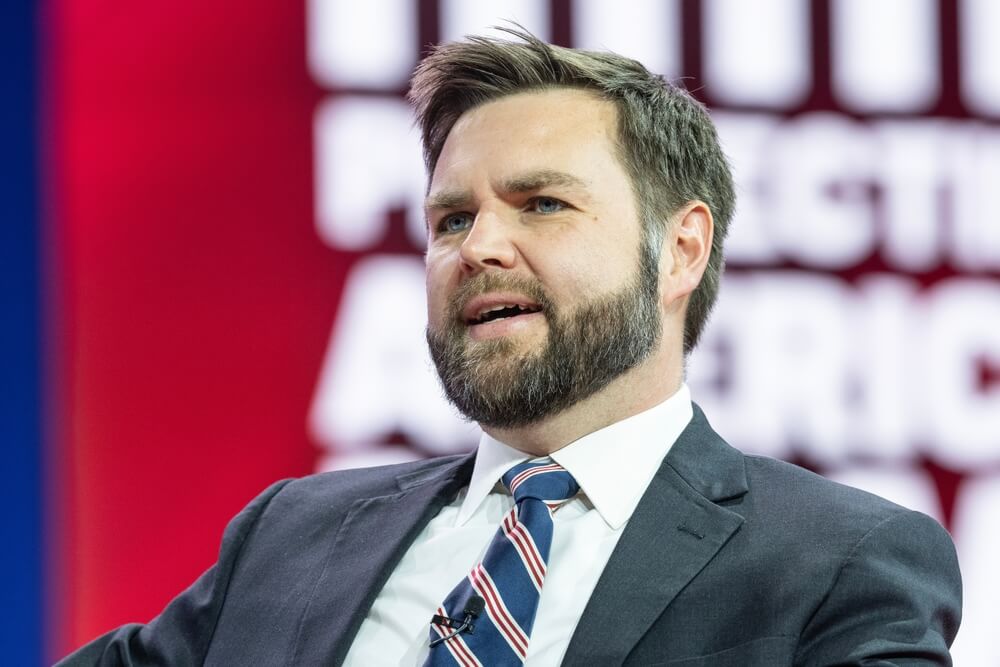 I’ve always liked Richard Nixon - JD Vance
There may be political advantages in likening Nixon to Trump: the current president has made it a priority to reach out to Gen Z, who, surveys show, appear to be among the sourest about the value of government. In the 2024 election, he made the strongest showing with young voters for any Republican in more than 15 years.
According to research by Harvard University, less than one-third of Americans under 30 trust the government. And just 16% believe democracy is working well for young people.
That climate of mistrust, combined with the incentives of the internet, may make it easier for future politicians to fashion themselves as victims of law enforcement overreach, dismiss corruption as inconsequential, or revise historical events to suit their agendas.
As one troubled internet commentator, Momocracy, put it in a recent YouTube video about the Nixonmaxxing phenomenon:
“If the internet can do this for Richard Nixon,” she asked her viewers, “what else is it capable of doing?”
