For the first time since the war began, Europe is seriously attempting to define its own strategy towards Russia, independently of Washington.
It is no coincidence that this discussion is emerging now, as American efforts to mediate between Moscow and Kyiv are reaching an impasse, while the conflict with Iran is gradually dominating the political and security focus of the White House.
European foreign ministers met on 27 and 28 May in Limassol, Cyprus, at an informal meeting in the Gymnich format, where they discussed the conditions under which the European Union could consider future talks with Moscow.
The meeting itself does not signify a change in European policy towards Russia. More importantly, for the first time in a long while within the EU, the question of what Europe actually wants to be in the final phase of the war in Ukraine – a political follower of the American strategy or an actor with its own interests, limitations and goals – is being seriously raised.
In previous years, the war in Ukraine followed a relatively clear political structure. Washington led the security and diplomatic framework of Western policy towards Moscow, while the European Union largely followed the American lead through sanctions, financial aid and military support for Kyiv.
That model now shows serious limitations. The US administration is simultaneously trying to manage the war with Iran, the crisis in the Middle East, domestic political pressures and the rising economic costs of foreign policy.
There is a growing sense in European capitals that the EU will have to take a much more active role in defining future policy towards Russia, regardless of how well the European political system is actually prepared for it.
European policy towards Moscow was never fully defined
One of the main problems with the European approach to Russia is that the European Union has never developed a unified long-term strategy.
Sanctions, Moscow’s political isolation, and military aid to Ukraine were responses to the war, but they did not address a more difficult question: how the EU envisions its relationship with Russia if the war eventually enters a phase of frozen fronts, a limited ceasefire, or prolonged stabilisation without a clear political solution.
That question is now becoming much more serious than before.
European ministers in Cyprus did not discuss lifting sanctions or a rapid diplomatic opening towards the Kremlin.
The discussion focused on possible terms for future engagement with Moscow, including a ceasefire, Russian withdrawal, and a halt to cyber operations against European states.
The Baltic states, Poland, and some Northern European members still believe that premature talks with Moscow would be a strategic mistake
The problem is that there is still no complete political agreement within the EU even on these minimum points.
The Baltic states, Poland, and some Northern European members still believe that premature talks with Moscow would be a serious strategic mistake and would give Russia a political respite without real change in behaviour.
In contrast, some larger Western European countries are increasingly considering the possibility that the war is entering a phase in which Europe will have to think about the security architecture after active conflict, and not just about continuing pressure.
This does not mean that a political reset of relations with Moscow is being prepared in Brussels. Such an idea currently has no serious support.
However, it does mean that, for the first time, the EU is seriously considering what comes after the policy, which until now has mainly been limited to sanctions, supporting Kyiv, and waiting for American initiatives.
Kyiv is seeking a much larger European role
Ukraine’s position is becoming increasingly complex. Kyiv still insists that there is no room for serious talks with Russia without security guarantees and addressing the territorial issue.
However, it is becoming clear that the Ukrainian leadership wants a much more active European role in the diplomatic process.
The reason is clear. In Washington, political fatigue from the protracted war is growing, while American attention is increasingly divided between multiple global crises.
In Kyiv, it is well understood that Ukraine’s strategic position will become complicated if the American administration gradually reduces its political focus on the war with Russia.
As Washington divides its attention across multiple fronts, internal differences within Europe are becoming much more visible
That is why Ukraine is now trying to push Europe from the role of financial and logistical partner to that of a more serious political actor.
This is where the problem arises for the European Union itself. The EU functions relatively effectively when imposing sanctions or coordinating economic aid.
However, it is much more difficult to act when a unified geopolitical strategy must be developed.
The war in Ukraine masked this problem for years because American leadership kept the Western framework relatively stable.
Now, as Washington divides its attention across multiple fronts, internal differences within Europe are becoming much more visible.
The fear of a frozen war is also growing in Europe
In European political circles, there is increasing concern that the war could enter a prolonged frozen phase without a clear political outcome.
Such a scenario would have serious economic, political, and security consequences for the European Union.
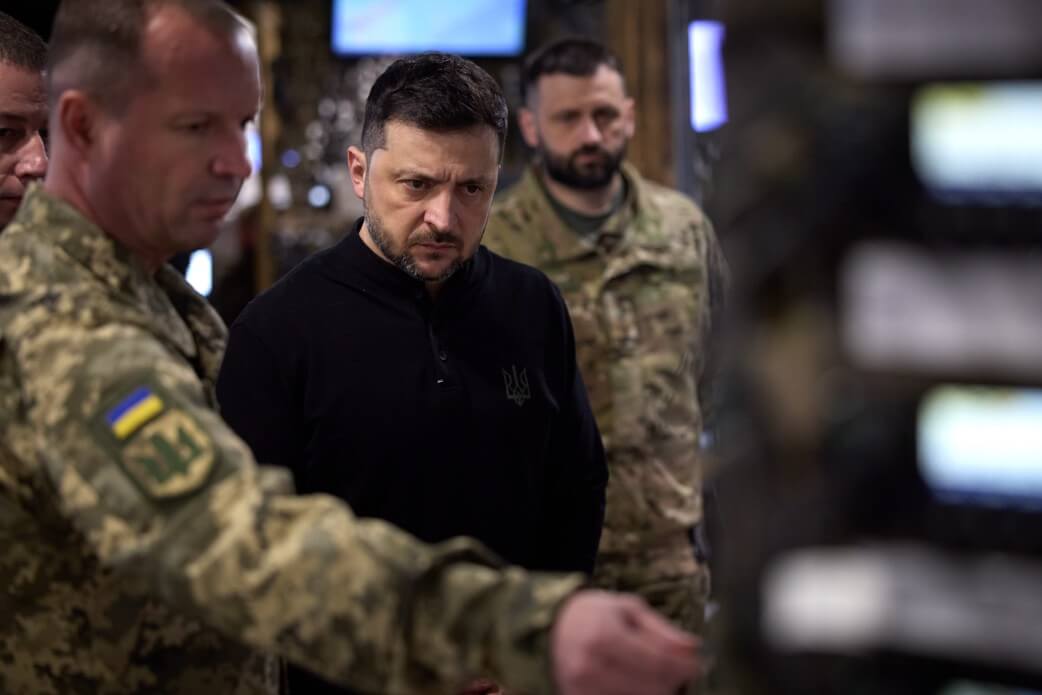 What will European security look like if the war continues for years without a clear political resolution? - Volodymyr Zelenskyy
For years, European countries have provided military and budgetary aid to Ukraine while experiencing slow economic growth, fiscal pressures, and increasing internal political tensions.
The protracted war creates opportunities for the rise of populist and anti-Ukrainian political movements within European states, while also maintaining high military tension on the eastern flank of the continent without a clear stabilisation mechanism.
As a result, some European governments are now considering much more seriously what a strategy for managing a prolonged conflict with Russia would involve, even if a formal peace agreement remains distant.
The European debate is therefore gradually shifting from how to help Ukraine to a much more uncomfortable question: what will European security look like if the war continues for years without a clear political resolution?
Moscow is counting on European fatigue
The Kremlin is monitoring these developments closely. Russia's assessment has long assumed that time is gradually undermining Western political cohesion.
Moscow believes that a prolonged war will increase economic costs for Europe, deepen internal political divisions, and gradually reduce the willingness of some European societies to continue open confrontation.
Therefore, Russia currently has little interest in a swift political compromise on European terms. The prolonged strategic exhaustion of the West suits it much better.
How to create space for future diplomacy without appearing to admit the West's strategic failure
This is why any attempt by the EU to define the future framework for talks with Moscow will be extremely complicated.
European states want to avoid appearing weak or politically compromised, but at the same time, they increasingly recognise that they cannot function indefinitely in a state of open war without any idea of a political solution.
This is where the central dilemma of European policy towards Russia arises: how to create space for future diplomacy without appearing to admit the West's strategic failure.
European security can no longer rely entirely on Washington
The most important consequence of the current debate may not be Russia itself; far more significant is what it reveals about the relationship between Europe and the United States.
In recent years, European security has once again become almost entirely dependent on American military, intelligence, and political capacity.
The war in Ukraine has shown how difficult it is for the EU to function as an independent strategic power centre.
However, it also highlights the limitations of America's ability to manage Europe, the Middle East, and the Indo-Pacific in the long term without incurring serious political and economic burdens.
The current discussion about the future relationship with Russia is not only a question of Moscow or Ukraine
This is now becoming clear in European capitals as well.
Therefore, the current discussion about the future relationship with Russia is not only a question of Moscow or Ukraine. It is, in fact, a debate about whether Europe can function as a serious geopolitical actor when America's focus weakens or shifts.
For now, the answer is not particularly convincing.
The European Union still lacks a unified view of its future relationship with Russia, a common assessment of an acceptable end to the war, and a fully agreed idea of how far it is willing to go in a long-term confrontation with Moscow.
However, for the first time in a long while, it is becoming clear that these questions can no longer be postponed.
Europe is entering a much more uncomfortable phase of the war
The most likely development in the coming months is the EU's gradual attempt to define its own framework for future relations with Russia, without formally opening negotiations or abandoning support for Ukraine.
This will likely include stronger European diplomatic coordination, defining minimum conditions for possible contact with Moscow, and seeking to make European security policy less dependent on the daily dynamics of the US administration.
However, that process will be neither quick nor stable.
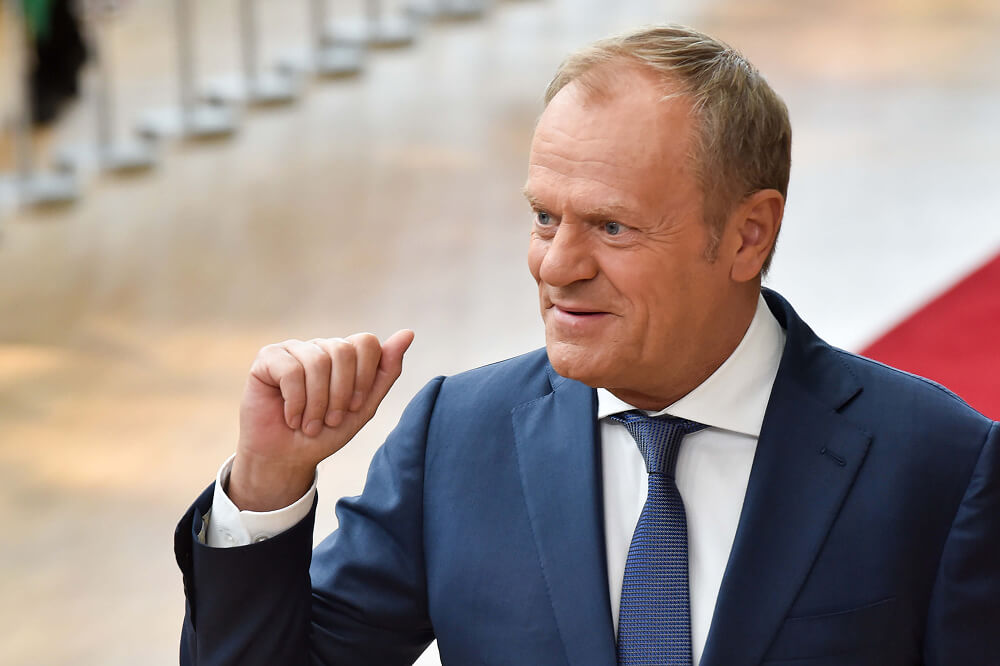 The Baltic states and Poland will continue to oppose any move that might resemble political normalisation with Russia without a clear military and political defeat of Moscow - Donald Tusk
The differences between Eastern and Western European members will become even more visible.
The Baltic states and Poland will continue to oppose any move that might resemble political normalisation with Russia without a clear military and political defeat of Moscow.
France and some Western European countries will try to leave at least minimal space for future diplomatic channels.
Germany will remain between the two approaches, trying to preserve European unity while avoiding a complete strategic blockade of the continent.
The biggest problem for the European Union could arise precisely when the war eventually enters a phase of reduced intensity.
While open conflict continues, European unity is sustained by the urgency of war. However, the period between war and peace is a much more politically dangerous space.
At that point, European states will have to decide what they are prepared to accept as the new security reality of the continent, how long they are willing to finance a prolonged confrontation with Moscow, and where the political viability of the current strategy ends.
That is precisely why the current discussion in the EU is not the beginning of rapprochement with Russia.
It is the first serious sign that awareness is growing in European capitals that the war may not end in a clear victory, a clear defeat, or a stable peace agreement.
The European Union currently does not have a harmonised approach for such a scenario.
