A significant milestone in global trade was marked on 27 January in New Delhi. India and the European Union announced the completion of negotiations on a free trade agreement, which India’s Prime Minister Narendra Modi called “historic”, and European Commission President Ursula von der Leyen described as the most ambitious agreement of its kind in the history of both parties, calling it the "mother of all deals".
This agreement creates a free trade area covering about two billion people and approximately a quarter of global GDP. Bilateral trade between India and the EU already exceeds €120 billion in goods and an additional €60 billion in services annually, and this deal is expected to double European exports of goods to India by 2032.
The negotiations lasted almost two decades, with numerous interruptions due to differences in priorities. India has protected its sensitive sectors, such as agriculture and dairy products, while the EU has imposed high standards for the environment, labour rights, and intellectual property.
The current success follows intense rounds over the past year, culminating in a summit in India’s capital. The agreement eliminates or reduces tariffs on over 96 per cent of European goods exports to India, bringing annual savings of around €4 billion for European companies.
For European car manufacturers, this means a gradual reduction of tariffs from high levels to around 10 per cent, while wine, textiles, machinery and chemical products gain significantly easier access to India’s market.
On India’s side, the benefits are equally significant. Textiles, gems, medicines and processed food will receive better conditions in the European market, while the Make in India initiative will be boosted through easier access to technologies and investments.
The agreement safeguards sensitive sectors in India, such as dairy, grains, and some fruits, by limiting imports with quotas or exemptions. T
he services sector is also opening up, with the EU gaining access to over a hundred of India’s subsectors, including finance, maritime and telecommunications, while India facilitates the movement of professionals and gains "safe country for data" status under European rules.
More than a trade deal
This agreement is not only economic but also has broader strategic significance. While many commentators note that it is a response to the protectionist measures of other major powers, a closer examination reveals something more.
India and the EU are building a bridge between developing and developed economies in a way that could serve as a model for future global arrangements. Rather than confrontation, the emphasis is on complementarity.
India, with its vast market and young workforce, offers Europe supply chain diversification at a time of heightened global risks. Europe, in turn, brings standards to the green transition and digital economy, with the pledged support of €500 million to help reduce emissions in India.
A particularly notable aspect is the integration of climate and sustainability issues. The agreement includes binding rules on labour rights, environmental protection, and gender equality, along with a platform for climate cooperation starting this year.
India has not been granted an exemption from European carbon tariffs but is receiving technical assistance to measure emissions and transition to cleaner production.
This paves the way for joint projects in renewable energy and critical raw materials, positioning India as a key partner for Europe in reducing dependence on other sources.
As the world faces increasing fragmentation, India and the EU demonstrate that it is possible to build bridges that respect differences
However, the path to full implementation is not straightforward. The agreement is still undergoing legal verification, translation, and ratification.
In India, approval from the government and cabinet is required, while in Europe it must pass through the European Parliament and the national parliaments of the member states.
The process may take up to a year, and experience with other agreements shows that political obstacles are possible. Some European countries may raise concerns about competition in certain sectors, while India’s farmers and small producers are seeking assurances that protections will not be undermined.
Despite these challenges, the agreement is subtly reshaping the global trade landscape. As the world faces increasing fragmentation, India and the EU demonstrate that it is possible to build bridges that respect differences.
India is strengthening its position as a leader in the Global South, attracting investment and technology without becoming dependent on a single partner.
Europe, meanwhile, gains access to a dynamic market that can offset slower growth in other regions. This is not merely a trade deal, but a signal that the multilateral approach still has a future.
A trade deal built on mutual interest
Forecasts for the coming years indicate a significant impact. If the deal is implemented swiftly, India's exports to the EU could increase by a third in the first decade, while European companies would gain an advantage in sectors such as automotive and luxury goods.
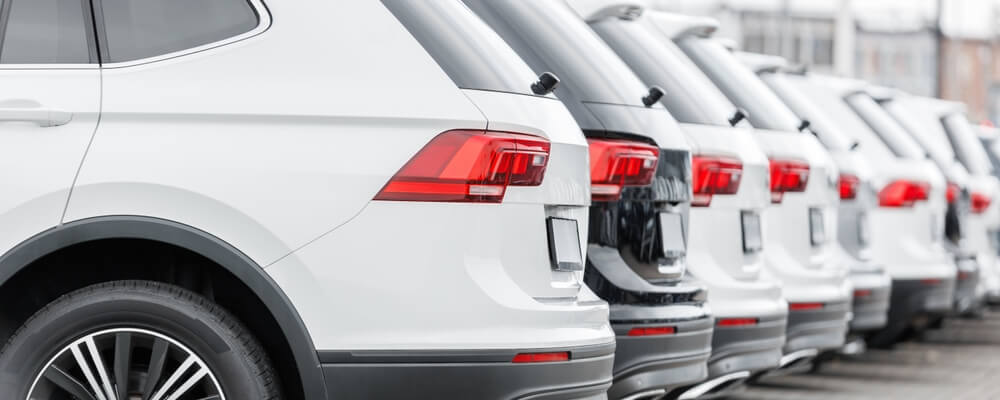 India's exports to the EU could increase by a third in the first decade, while European companies would gain an advantage in sectors such as automotive and luxury goods
In the long term, this may accelerate India's goal of becoming the world's third largest economy, while Europe strengthens its competitiveness in Asia.
There are risks, especially if global tensions rise, but the success of this model could inspire similar arrangements with other developing countries.
The agreement between India and the European Union from New Delhi should be considered a rational decision in a world where reliable trade relations are rapidly diminishing.
With this agreement, the EU secures long-term access to the market that will drive most global growth in the coming decades, while India, for the first time, obtains a stable and predictable framework for entering the most demanding segments of the European market without abandoning its own industrial policy.
It is neither an ideological alliance nor a political message to third parties, but a purely interest-based arrangement founded on mutual benefit.
Its real significance lies in demonstrating that, even amid the growing fragmentation of the world economy, there is still scope for large, functional trade agreements based not on pressure but on a long-term calculation of interests.
