Washington is seeking to use energy arrangements as a tool to end the war, but easing pressure on Russia while imposing demands on Kyiv could undermine the West’s own negotiating position.
For Ukraine, the question of whether Europe is prepared to compensate for a possible reduction in US support is becoming increasingly important.
The Trump administration’s reported arrangement to supply Russian diesel fuel to global markets has provided further evidence of differences between Washington and Kyiv over how to end the Russian-Ukrainian war.
According to reports published after talks between Ukrainian and US delegations in Miami on 9 October, Trump’s envoys, Steve Witkoff and Jared Kushner, told the Ukrainian side that an agreement to supply 2.25 million barrels of Russian diesel could help bring Moscow back to the negotiating table. Ukrainian officials viewed this argument with scepticism.
According to the Financial Times, US representatives also approached Kyiv and several European capitals, urging them to halt attacks on Russian oil refineries.
It is also reported that Washington’s warnings included the possibility of restricting intelligence-sharing and blocking mechanisms used to procure US weapons for Ukraine.
If these reports are confirmed in full, the issue would amount to more than a diplomatic dispute over individual military operations.
Such an approach would represent an attempt by Washington to change Kyiv’s negotiating behaviour by leveraging resources on which Ukraine’s defence capabilities depend to a considerable extent.
An energy truce: different conditions for each side
Following a telephone conversation between Donald Trump and Vladimir Putin, the US administration temporarily eased restrictions on Russian fuel.
On 11 October, the US president announced an “energy ceasefire” between Ukraine and Russia, stating that both sides had agreed to halt the relevant attacks.
The fundamental question, however, is what exactly the arrangement covers. If its primary purpose is to halt strikes on oil refineries, it does not protect the entire energy system, including power plants, substations, heating networks and other critical infrastructure.
A limited cessation of attacks on one category of facilities is therefore not equivalent to a comprehensive truce in the energy sector.
Ukrainian President Volodymyr Zelensky initially said that the US announcement had taken Kyiv by surprise.
At the same time, Ukraine expressed its readiness to support a mutual cessation of strikes, provided that Russia genuinely agreed to the arrangement and complied with its commitments.
Kyiv has also highlighted the structural imbalance in the proposed terms. Russia has a substantially larger network of oil refineries, whereas Ukrainian refining capacity has suffered severe damage from Russian attacks.
Under these circumstances, a prohibition framed in identical terms could have different economic and military consequences for the two sides.
Subsequent developments have cast doubt on the effectiveness of the announced initiative.
Russian forces attacked six Ukrainian energy facilities within 24 hours of Trump’s announcement
According to Zelensky, Russian forces attacked six Ukrainian energy facilities within 24 hours of Trump’s announcement.
Following a conversation with the Ukrainian president, German Chancellor Friedrich Merz urged Moscow to agree to halt attacks on energy infrastructure.
On the night of 13 October, according to Zelensky, five Russian ballistic missiles struck civilian infrastructure in the Ukrainian capital.
The president also drew attention to the absence of any warning from the US side about the threat of ballistic missile attacks.
These incidents raise a question that extends far beyond energy policy: can such an arrangement serve as an effective instrument for ending the war if it lacks clearly defined obligations, a monitoring mechanism and specified consequences for violations?
Without these elements, a truce risks becoming a political declaration that restricts one side’s actions without imposing equivalent constraints on the other.
Elections in Ukraine as an additional lever of pressure
Another source of tension has been Trump’s demand that Ukraine hold presidential elections, a position publicly endorsed by Elon Musk.
EU High Representative for Foreign Affairs and Security Policy Kaja Kallas has stated that elections in Ukraine would take place if sufficient pressure were exerted on Russia to force it to end the war.
The problem is not the question of elections itself, but the conditions under which they could be held.
Organising a nationwide vote during wartime requires security guarantees, meaningful participation by military personnel and citizens living abroad, and adequate access to electoral procedures for people in frontline areas.
Zelensky has said he is prepared to hold elections if Russia agrees to a full 60-day ceasefire.
Ukraine has serious internal political divisions, and Zelensky has opponents who criticise his decisions and the government’s performance
According to assessments cited in media reports, Moscow, by contrast, has indicated that it would be willing to cease fire for only one day – on the day of voting itself. Such a proposal would not create the conditions necessary for a safe election campaign.
Russian missile and drone attacks pose a threat to every region of Ukraine. Under conditions of constant danger, organising mass gatherings, campaign rallies and other forms of open political competition would be significantly more difficult.
Ukraine has serious internal political divisions, and Zelensky has opponents who criticise his decisions and the government’s performance.
However, this does not mean that Ukrainian society would accept the timing and conditions of a change of government being determined externally.
Washington’s demands, if accompanied by pressure on Kyiv but not by corresponding commitments from Moscow, could be perceived as interference in the sovereign decisions of a country defending itself against aggression.
Such a policy also carries diplomatic risks for the US administration. Attempting to achieve a rapid political outcome by pressuring Ukraine’s leadership may not bring peace any closer. Instead, it could deepen mistrust of Washington among Ukrainian society and its European partners.
Russian oil revenues and the contradictions of sanctions policy
The economic implications of the diesel arrangement are no less important than its diplomatic context.
Rising global prices for petroleum products, driven by the war in the Middle East and supply disruptions, have increased the importance of alternative fuel sources.
In these circumstances, Washington may justify the return of Russian diesel to global markets as a necessary measure to stabilise supply and contain prices.
However, the economic rationale for such a decision should not be assessed solely in terms of its short-term market impact.
Russia’s oil sector remains one of the principal sources of revenue for the state budget and a key source of funding for the Kremlin’s war expenditure.
Easing restrictions on petroleum product exports could therefore increase Moscow’s financial capacity, depending on the scale of supply, actual selling prices, logistics costs and the specific sanctions suspended.
At the same time, Ukrainian strikes on Russian oil refineries are one way of increasing the economic cost of the war for the Kremlin.
Their impact extends beyond the physical damage to facilities: the attacks can disrupt production, raise repair and infrastructure protection costs, and complicate fuel supply to the domestic market.
However, the direct impact of these strikes on global prices should not be overstated.
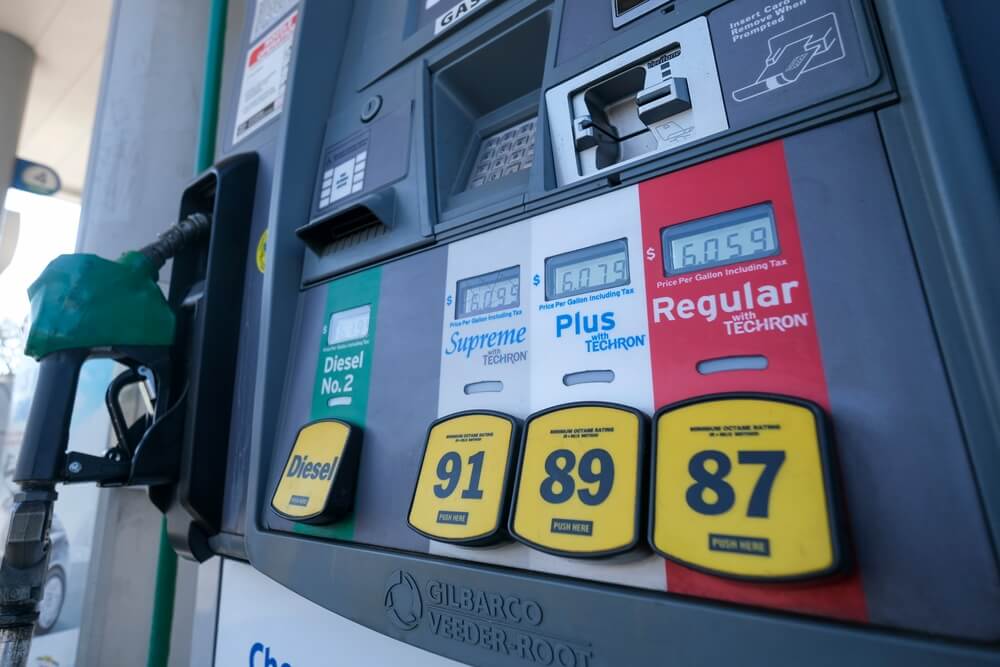 If the current rise in diesel prices is primarily driven by the crisis in the Middle East, easing restrictions on Russian exports could be viewed as a short-term way to increase supply
Oil market dynamics depend on a much broader range of factors, including global demand, maritime transport, production volumes and geopolitical risks.
If the current rise in diesel prices is primarily driven by the crisis in the Middle East, easing restrictions on Russian exports could be viewed as a short-term way to increase supply.
At the same time, it would weaken the economic pressure that Western countries have sought to maintain on Russia.
This is where the strategic contradiction in the American approach emerges. Washington may be seeking to stabilise energy markets, bring Russia back to the negotiating table and end the war simultaneously.
But if economic concessions to Moscow are not accompanied by verifiable military and political commitments, the Kremlin benefits before any lasting peace has been achieved.
The issue also has a domestic American dimension. Seven senators from the Republican and Democratic parties have urged the Trump administration to revoke the authorisation for Russian diesel imports.
They cited the ban on Russian energy imports introduced under US legislation in 2022 and questioned the legality of the administration’s decision, as well as whether proper consultation procedures with Congress had been followed.
If these legal objections prove to be well-founded, the dispute could extend beyond foreign policy and become a matter of the division of powers between the presidential administration and Congress.
This matters for Ukraine as well: the long-term predictability of US sanctions policy is one of the factors Kyiv relies on when assessing the prospects for weakening Russia economically.
Europe and the limits of American pressure
Against the backdrop of disagreements with Washington, European governments are seeking to maintain pressure on Moscow.
At the EU summit scheduled for 15–16 October in Brussels, European leaders plan to discuss further sanctions, including measures aimed at reducing Russia’s oil revenues.
A separate diplomatic signal came in the form of a joint statement supported by 47 countries during the general debate of the First Committee at the 81st session of the United Nations General Assembly.
The statement calls on Russia to end its aggression and withdraw its troops and military equipment from the entire territory of Ukraine within its internationally recognised borders.
These statements do not eliminate disagreements among allies, but they demonstrate that American initiatives do not automatically determine the position of the entire Western coalition.
For European governments, the central question is whether a lasting peace can be achieved without creating compelling incentives for Russia to end its aggression
For European governments, the central question is whether a lasting peace can be achieved without creating compelling incentives for Russia to end its aggression.
Europe’s practical ability to compensate for a possible reduction in US assistance remains an open question.
European countries possess considerable economic potential, but replacing American intelligence capabilities, certain air defence systems, advanced munitions and logistical resources will require time, funding and coordination.
Europe’s response therefore cannot be limited to political declarations of solidarity. It must include long-term defence industry contracts, expanded ammunition production, stable funding for Ukraine’s defence and mechanisms to sustain sanctions pressure regardless of fluctuations in American policy.
Starlink and the risks of dependence on private infrastructure
Another potential source of vulnerability for Ukraine is its reliance on Starlink, the satellite communications system operated by Elon Musk’s SpaceX, for military communications.
Against the backdrop of deteriorating relations between Trump and Zelensky, the question arises as to whether political tensions could affect Ukraine’s access to this infrastructure.
Musk’s public support for Trump’s criticism of the Ukrainian president has heightened concerns in Kyiv, although this does not in itself demonstrate that any decision has been made to restrict the service.
For Ukraine, the risk extends beyond a possible communications blackout
For Ukraine, the risk extends beyond a possible communications blackout. It highlights a broader problem: critically important military capabilities may depend on decisions made by a private company operating within the political environment of a partner country.
If Starlink access were restricted, the consequences would depend on the scale and duration of the restrictions, the availability of alternative systems and the ability of Ukrainian forces to switch rapidly to other communications technologies.
However, the possibility of such a scenario underscores the need to diversify communications, develop European satellite capabilities and establish backup systems for military command and control.
Can Washington secure peace on Moscow’s terms?
Taken together, these developments create a difficult strategic situation for Kyiv. Russia has an opportunity to seek relief from economic pressure, while Ukraine faces demands to restrict certain military operations, uncertainty over US military assistance and external pressure regarding the question of elections.
If the Trump administration prioritises rapid agreements without demanding verifiable concessions from Moscow, the result could be not a lasting end to the war but a temporary reduction in the intensity of hostilities on terms more favourable to Russia.
Such a scenario would risk allowing Russia to rebuild its military strength during the pause and escalate the conflict again in future.
For Kyiv, the overriding task remains to preserve its defence capabilities and international support while ensuring that the negotiating process does not deprive Ukraine of the ability to defend itself.
This does not rule out compromises, but it requires any agreement to include reciprocal commitments, monitoring mechanisms and consequences for violations.
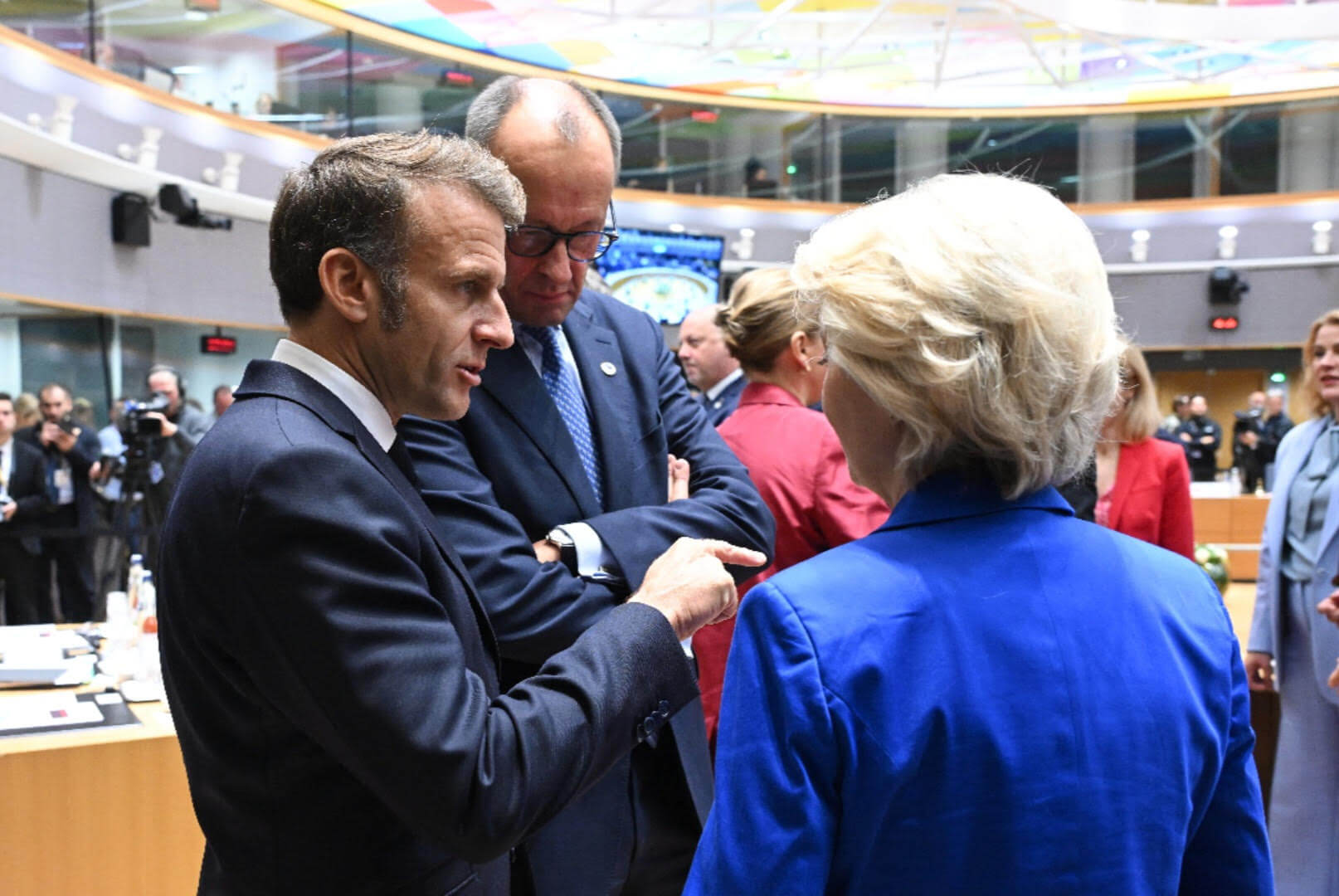 Europe has the potential to play a decisive role in sustaining this position. To do so it must move beyond political solidarity and take concrete action
Europe has the potential to play a decisive role in sustaining this position. To do so, however, it must move beyond political solidarity and take concrete action on defence, energy, sanctions and strategic infrastructure.
The central question is not which Western leader will suffer political losses, but whether the United States and Europe can develop a coordinated strategy that combines diplomacy with tangible levers of influence over the Kremlin.
If economic concessions to Russia precede its military and political commitments, the negotiating process risks weakening Ukraine’s position without securing a lasting peace.
If, however, European partners can sustain sanctions pressure, expand defence production and guarantee long-term assistance to Kyiv, Moscow’s ability to dictate terms will be constrained.
Lasting peace depends not on how quickly an agreement is concluded, but on whether it gives the aggressor stronger incentives to end the war than to resume it after a brief pause.
This should be the criterion for assessing both Washington’s diesel arrangement with Moscow and any subsequent initiatives aimed at securing a ceasefire.
Oleksandr Levchenko, a former Ukrainian diplomat, is a professor at the State University (Kyiv) and a member of the Academy of Geopolitics and Geostrategy (Kyiv).
