The new year looks likely to be an unhealthy one for many Americans. Life expectancy in the US is already lower than in European countries, and the Trump administration is pushing ahead with measures likely to make millions more even less healthy.
Many experts laud the government’s effort to combat junk food as part of its drive to Make America Healthy Again (MAHA). But its war against vaccines, its science scepticism and an ideological push against government spending are likely to be paid for in American lives.
Around 20 million Americans will see their healthcare costs rise dramatically at the end of this month unless the Republicans follow through with promises of their own new policies after failing to support Democrats in Congress to extend tax credits under “Obamacare” or the Affordable Care health insurance act.
“Senate Republicans just shoved the American people off the side of a cliff with no parachute and with an anchor tied to their feet,” Senate Minority Leader Chuck Schumer said after the tax credit vote last week. “Republicans now own America’s healthcare crisis.”
From elimination to outbreak
Early in the new year, not only will millions of people likely lose access to healthcare, but the US is also set to lose its measles elimination status – first gained in 2000 – because of ongoing transmission from a West Texas outbreak of about 800 cases. There have been three deaths so far.
Among all confirmed measles cases, 92% of patients are unvaccinated or have unknown vaccination status, according to the Centers for Disease Control (CDC).
Robert F. Kennedy Jr, US health secretary, is undeterred, having cut millions from medical research funding, eliminated thousands of federal health jobs, and made his vaccine scepticism a central pillar of US health policy.
Studies suggest the hepatitis b vaccine has prevented 90,000 deaths in the US
A Democratic lawmaker last week introduced articles of impeachment against Kennedy, accusing him of “abuse of authority and undermining of the public health”, but this effort is unlikely to get anywhere in the Republican-controlled Congress.
“Under his watch, families are less safe and less healthy, people are paying more for care, lifesaving research has been gutted, and vaccines have been restricted,” said Representative Haley Stevens. “His actions are reckless, his leadership is harmful, and his tenure has become a direct threat to our nation’s health and security.”
Kennedy fired a group of advisors and replaced them on the CDC’s Advisory Committee on Immunisation Practices with similarly minded vaccine sceptics.
Earlier this month, the committee voted to end the longstanding recommendation to vaccinate babies against the hepatitis B virus right after birth. Studies suggest the vaccine has prevented 90,000 deaths in the US.
US war on vaccines
President Donald Trump has promised to reduce “very substantially” the childhood vaccination schedule that is under review by his administration. He has also claimed erroneously that American children get “88 different shots”, but the number is closer to 54 by the age of 18, including annual flu vaccines.
While other countries may give a lower number of vaccinations to children, they have lower rates of disease as well as more prenatal screening of mothers.
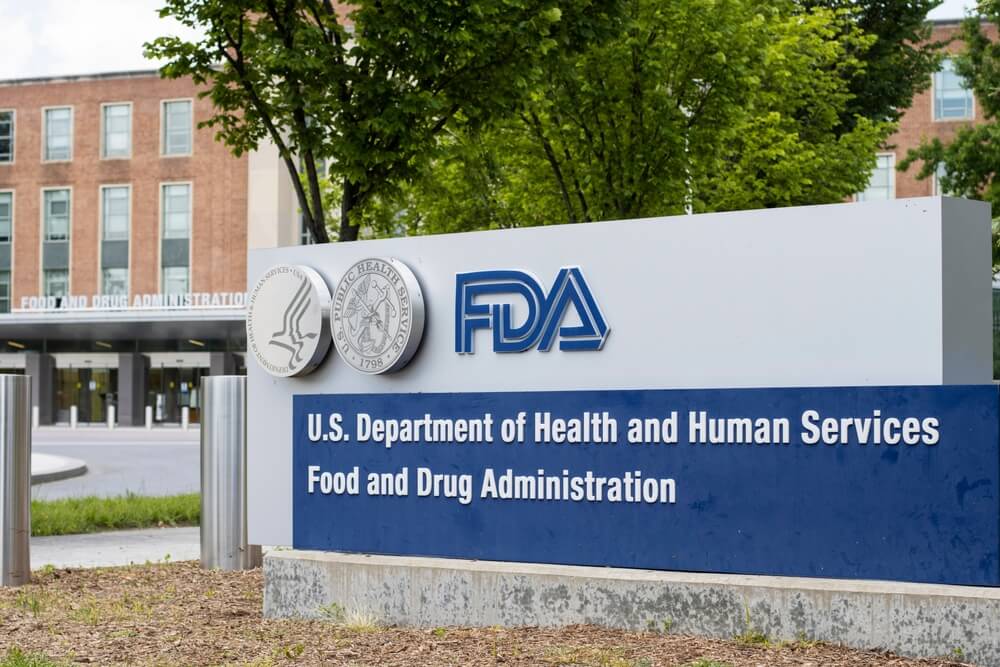
Meanwhile, a citizen’s petition filed by Children's Health Defense, an anti-vaccine organisation founded by Kennedy, is asking the Food and Drug Administration to class Moderna's and Pfizer's COVID-19 vaccines as “misbranded” and to revoke their licenses “due to a lack of compliance with FDA regulations.”
The petition is unlikely to succeed in pulling the vaccines off the market. However, last month an FDA regulator spoke of a link between COVID-19 vaccines and the deaths of 10 children without offering any evidence, which actually points to the life-saving properties of the vaccines.
 The US war on vaccines comes despite their success and growing adoption in the rest of the world
The US war on vaccines comes despite their success and growing adoption in the rest of the world. In late November, a single-dose vaccine against the dengue virus was approved for use for the first time in Brazil, which reported close to 6,000 deaths and 6.4 million cases in a dengue epidemic last year.
Several countries have also approved two chikungunya vaccines, while another two vaccines against malaria have been approved in recent years.
Dengue, chikungunya and malaria are spread by mosquitoes, and their spread, along with other tropical diseases is on the rise globally, exacerbated by extreme weather events such as heat waves and flooding fuelled by climate change.
Public health may become top concern
Experts warn that vector-mediated diseases – human illnesses spread by vectors such as mosquitoes and ticks – are likely to find more fertile ground in northern Europe and other new regions.
About half the world’s population is now at risk from dengue alone, says the World Health Organisation.
Washington continues to undermine action on climate change
But Washington continues to undermine action on climate change. Last week, it joined Saudi Arabia, Russia and Iran to block publication of a summary of the UN’s Global Environmental Outlook because it called for the phasing out of fossil fuels, among other measures.
The report, compiled by 287 scientists from 83 countries, said 9 million deaths a year could be avoided by 2050 through cutting air pollution alone and urged global action on climate change.
Trump’s approval rating has slipped by about 10 points since March, with most Americans citing their unhappiness with his handling of the economy and immigration. More Americans may soon be putting health higher on their list of worries.
