German Chancellor Friedrich Merz is travelling to China carrying the heavy burden of the so-called "China Shock", aware that the outcome of his talks is awaited not only by the German but also by the European economy and public.
Ahead of the previously announced summit between Donald Trump and Xi Jinping, scheduled for April, Merz's visit to China appears set to be one of those pivotal events that could shape global politics and economics for the long term.
German expectations from the chancellor are high. Since the COVID-19 pandemic, China has shifted its previously favourable image in Germany, as the German economy relied heavily on Chinese raw materials and relocated production to cheaper and more productive Chinese frameworks.
The German economy, whose growth is based on stable and high exports, primarily in industry, is suffering heavy blows from the surge in Chinese exports.
China's trade surplus surpassed the record of USD 1 trillion some time ago, and a significant part of that sum comes at the expense of German exports.
The threat to Europe's largest economy has become a cause for alarm since the Donald Trump administration imposed steep tariffs on import of Chinese goods, prompting Beijing to increase its export drive to the EU market. Last year alone, Chinese exports to the US fell by as much as 20%, but exports to the German market increased by 9%.
Restoring this balance, if not entirely to the benefit of the European and German economies, will be the overriding goal of Merz's upcoming visit to Beijing.
Europe is reading China's strategy accurately
However, the task will be extremely challenging, and the results will certainly take longer to materialise than impatient European and German industrialists anticipate.
Europe is well-versed in Beijing's aggressive export policy; there are few secrets there for its leaders, and Beijing is openly discussing them.
Heavily subsidised industrial production, especially in the automotive sector, dumping prices, export controls on critical materials, and an undervalued renminbi create a mix from which European economies, especially German, are suffering a severe headache and still lack an effective remedy.
China's position is quite clear; it wants to maintain the status quo
Chancellor Merz is someone from whom many expect to find a solution and even to begin implementing it effectively, starting with talks with the Chinese leadership in Beijing.
He should not be surprised in Beijing. China's position is quite clear; it wants to maintain the status quo. This is understandable, as it has proven effective in addressing the serious problems its economy faced in the post-pandemic period.
The shift of Chinese exports from the US to other markets, especially Europe, due to Trump's tariffs, is also yielding results.
The shift regarding Trump's tariffs
Beijing is certainly relying on the slow pace at which the EU, through its decisions, attempts to counter China's aggressiveness, even though some measures from Brussels, such as investigations into Chinese subsidies in the automotive industry, have been effective.
The timing of the Germany-China summit in Beijing creates one of the biggest uncertainties ahead. Merz's first visit to China comes just days after the US Supreme Court's decision to overturn Trump's tariffs.
The German chancellor could be the first world leader to hear directly China's position on this new development. Notably, Beijing has not made any significant statements regarding the upheaval caused by the Supreme Court's decision in the Trump administration.
It is possible that, because of this decision, China will not significantly alter its current approach towards the US and Europe, knowing that Trump is exploring other legal avenues to keep his flagship project alive in the first year of his term.
Merz faces strong pressure from both the domestic and European economies to level the playing field with China
However, regardless of whether Beijing changes its policy in these new circumstances, Merz faces strong pressure from both the domestic and European economies to level the playing field with China and to explore options for achieving this.
In doing so, Merz will be under pressure to find a middle ground between European demands to maintain balance in trade with China and pressure from German businesses to take tougher measures to reduce the growing trade imbalance with China, which in 2025 amounted to an extraordinary EUR 90 billion.
Merz's bargaining potential
Regardless of the outcome of Trump's possible further actions on tariffs, Merz brings considerable bargaining potential to Beijing. This stems from the assessment that Europe will remain China's priority export destination for a long time, given Trump's protectionist policies.
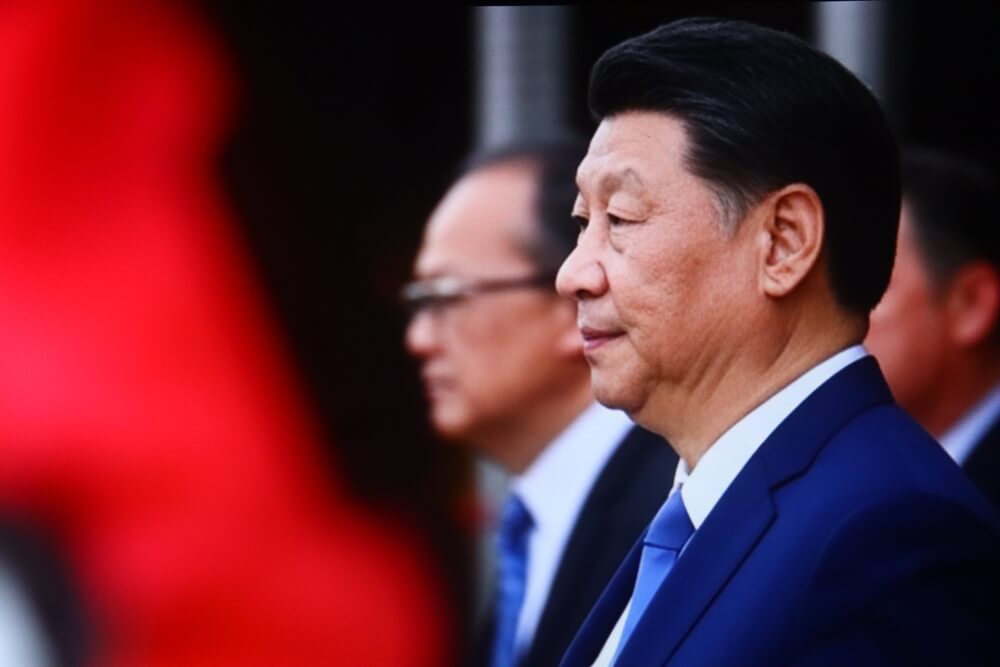 Beijing simply cannot afford to lose the European market, which is the largest and wealthiest for its industry - Xi Jinping
Beijing simply cannot afford to lose the European market, which is the largest and wealthiest for its industry.
This compels Beijing to be more flexible in meeting European demands, making its exports more competitive and reducing aggressive state measures that support those exports.
As Beijing regards the German chancellor as its most important European partner, other European economies will pay close attention to the upcoming visit. Any agreements reached will affect all of them, not just the German economy.
Therefore, Merz's visit to China is crucial for advancing the European strategy to position itself globally as the most desirable economic partner, relying as much as possible on its own autonomy.
Although committed to strong transatlantic ties, the German chancellor will, in these circumstances, prioritise German and European interests in relation to China rather than passively waiting for new moves from the unpredictable administration in Washington towards its biggest economic rival.
