On a Richter scale of royal scandals, the Andrew Mountbatten-Windsor affair would probably score a 4.0 – a big enough tremor to rattle the tiles on the palace roof but with limited risk to the life or limb of those inside.
Prince William, heir to the throne and Britain’s favourite royal, came nearest to admitting that his family had been shaken by the latest developments involving his errant uncle when he half-joked that he was not in a calm state right now.
He and wife, Kate, were making a business-as-usual appearance at the annual BAFTA film and TV awards after days in which the UK’s top drama had been unfolding off-screen.
Andrew’s arrest and subsequent release, at least for now, briefly won top billing around the world as commentators scrambled to find a precedent before finally settling on parliament’s imprisonment of Charles I in 1647.
That, as every British schoolchild used to know, did not end well for Charles. It did, however, establish the rule that no one is above the law.
The principle was reaffirmed by King Charles III, who issued a statement saying that, in the investigations into his brother for suspected misconduct in public office, the law must take its course.
Somewhat tellingly, Charles further distanced himself from the former prince by referring to him not as his brother but simply as Andrew Mountbatten-Windsor, the unprincely moniker by which he has been known since the king stripped him of his royal titles just four months ago.
‘Crown in crisis’ headlines, public relatively untouched
Attention then switched to parliament, back in session after a one-week break, as MPs prepared for a familiar ‘who-knew-what-when?’ debate on the latest revelations of Andrew’s past conduct as a UK special representative for trade.
His arrest was part of the fallout from the US Justice Department’s release of the latest Epstein files. They include an e-mail trail that appeared to indicate the former prince had shared confidential documents with his friend and convicted sex offender Jeffrey Epstein while he was still serving in his trade role in 2010.
Although the revelations and Andrew’s subsequent arrest prompted the equally familiar ‘Crown in crisis’ headlines in the overwrought UK press, the public appeared relatively untouched.
The British wrote Andrew off as what they would call a ‘wrong ‘un’ long before his car crash of an interview with the BBC in 2019 in which he gave his version of his past relationship with Epstein.
He has continued to deny any wrongdoing in relation to the late American paedophile.
Since the interview, he has consistently polled as the least popular of the Windsors. In the latest YouGov survey, his favourability rating was down to three per cent of respondents (one wonders who they are!).
Four out of five believed the monarchy would still exist a decade hence, while a narrow majority thought it would still be here in 2076
The same polls nevertheless reflect a relatively positive view of the royal family and the institution of monarchy, even if it is expressed these days more as grudging acceptance than flag-waving enthusiasm.
An Ipsos survey carried out just days before Andrew’s arrest showed a further fall in the number who believed the Royal Family had handled the situation well since the allegations against him first surfaced.
Senior royals nevertheless maintained positive popularity scores, led by Prince William at 62 per cent, even if just under half thought the king himself was doing a good job.
Four out of five believed the monarchy would still exist a decade hence, while a narrow majority thought it would still be here in 2076.
Modestly good news for the Windsors, then? Up to a point.
On the crucial question of whether the public think the monarchy is a good thing, the poll indicated that the plurality who believed abolishing the institution would be bad for the country had dropped ten points to 37 per cent in just two months.
So, even if the royals have escaped the earthquake for now, can they avoid a slow subsidence towards irrelevance, particularly with the largest proportion of younger voters showing a preference for constitutional alternatives?
From ‘Annus Horribilis’ to now
The Windsors might console themselves that they have had it worse in the past. From the pre-war abdication crisis to the 1997 death of Princess Diana, the monarchy has teetered closer to the edge than where it stands now.
And what of the late Queen Elizabeth’s ‘Annus Horribilis’ of 1992, in which the marriages of three of her children, including the current monarch, collapsed? And, to cap it all, Windsor Castle was partly destroyed by fire.
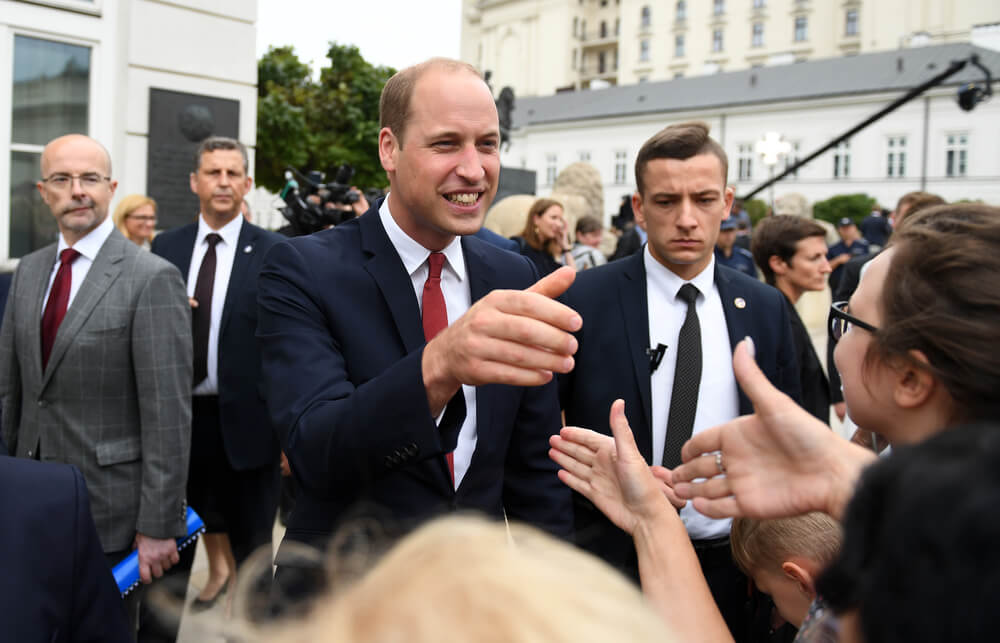 Prince William has already promised changes when he succeeds his father to meet the challenges of a post-deferential age
The public at the time were less outraged by the extramarital antics of the heirs than by the prospect that taxpayers would have to pay to fix the castle.
The Windsors pulled through by making concessions to the prevailing mood. After the castle fire, the increasingly affluent royals even agreed to pay income tax after a half-century break.
This time, they will be under pressure from the public and MPs to be more open and transparent about their somewhat shadowy finances. That follows claims that Andrew remained largely unaccountable as trade envoy while allegedly squandering public funds on private jets and massage sessions.
Prince William has already promised changes when he succeeds his father to meet the challenges of a post-deferential age.
But his strongest card in a changing world is the question of what might replace the royals. Given the monarchical tendencies of some elected presidents these days, the British might decide to stick with what they’ve got.
