UK Prime Minister Andy Burnham has so far lived up to his promise to the northern voters who enabled his political elevation by pursuing a “relentless” focus on domestic issues.
Still in the first month of his premiership, Burnham was this week embarking on a national tour to listen to the concerns of local people and unveil further initiatives to alleviate the cost of living crisis many of them face.
His early headline pledges have included cheaper bus fares and electricity bills and a crackdown on misleading retail discounts. He launched his national tour with a further promise to restore the country’s depleted high streets as the “beating heart of local communities”.
Foreign affairs have meanwhile barely figured in the start of his term, which has coincided with parliament’s summer recess and a period when international conflicts, from Ukraine to the Middle East, are in a fragile stasis.
The seasonal honeymoon is unlikely to last when the new government is obliged to confront a series of foreign policy issues, not least its future relations with Europe.
The Makerfield Test
Burnham has taken the maxim that all politics is local to a new level by pledging that all policy choices will be measured against the extent to which they benefit the people of the UK’s left behind communities.
It has been dubbed the “Makerfield Test” after the northern constituency that returned Burnham to parliament in June in an overwhelming by-election victory, enabling him to mount his unchallenged leadership bid to replace Keir Starmer.
It was no doubt sound politics for the former Greater Manchester mayor to focus on domestic issues in his campaign for the northern constituency and play down his previous enthusiasm for closer ties with Europe in a region where two-thirds of voters had supported Brexit.
Burnham had a call with the EU Commission president, Ursula von der Leyen, in which they agreed to work closely towards a UK-EU summit later in the year
Burnham, who mused last year that he would like to see Britain back in the European Union in his lifetime, reiterated his views on the downsides of leaving the European Union during his Makerfield campaign.
However, he said there should not be a focus on rejoining. “We shouldn't keep re-running the arguments linked to that vote,” he told the BBC.
One casualty of the leadership change was a scheduled July summit Starmer had been scheduled to hold with EU leaders to secure agreement on closer ties, including a youth mobility scheme and smoother trade in food and energy.
On his first day in office, Burnham had a call with the European Commission president, Ursula von der Leyen, in which they agreed to work closely towards a UK-EU summit later in the year.
Policy towards Europe
So what are the clues to the potential trajectory of Burnham’s policy towards Europe once politics as usual resumes in early autumn?
The eurosceptic Daily Telegraph quoted Brussels negotiators in June as saying the EU had postponed July’s Brexit reset summit because it believed Burnham would be a softer touch than his predecessor.
The minister Burnham has put in charge of negotiations with Europe certainly put a positive gloss on the prospects of progress in remarks this week.
Hamish Falconer, a former diplomat, told The Guardian he wanted to see a deeper, more ambitious relationship with the EU within the confines of ruling Labour’s manifesto pledge not to seek to rejoin the EU single market or customs union.
Burnham will no doubt pursue Starmer’s line that any agreement must benefit the UK’s own defence industry
Progress had stalled under Starmer amid a perception in the EU that his government was attempting to cherry-pick the benefits of closer ties.
The Europeans baulked at his proposals to impose visa quotas on the number of students who would be allowed to study in the UK under a youth mobility scheme. The question of whether European students would benefit from cheaper domestic fees still has to be resolved by the Burnham government.
Another looming issue is the UK’s participation in the EU’s SAFE defence fund, on which talks broke down last year. Amid initiatives to revive a deal, Burnham will no doubt pursue Starmer’s line that any agreement must benefit the UK’s own defence industry.
Beyond Brexit
As Falconer studies his brief as Europe negotiator, another ambitious blueprint for future relations is reported to be circulating among top UK officials and Burnham’s inner circle.
The Demos think-tank this month published an essay by former Conservative MP Nick Boles entitled Beyond Brexit, a New Deal for Britain, Ukraine and Europe.
Boles, who quit the Conservative Party in 2019 over his opposition to a no-deal Brexit, called for a new European Confederation that would extend beyond EU borders to embrace the UK, Ukraine and other non-EU states in a treaty that would advance the security and prosperity of all of its members.
The plan would entrench Europe-wide defence commitments by the most important non-EU countries – the UK and Ukaine – in exchange for full participation in the European single market for goods.
The prime minister’s first question might be: ‘What would the voters of Makerfield make of it?’
Under his proposals, the UK would invest at least 3.5 per cent of GDP to strengthen Europe’s western sea defences and extend its nuclear deterrent umbrella to non-NATO partners on the continent, eventually to include Ukraine.
Ukraine in turn would commit to maintaining a large permanent army to defend Europe’s eastern land frontier and to share its defence technologies with European allies.
It is not clear how the radical blueprint might influence Burnham’s thinking. But, given his domestic-focused agenda, the prime minister’s first question might be: ‘What would the voters of Makerfield make of it?’
He is certainly not short of advice as he solidifies his leadership.
Rebuild public trust
Chatham House, the UK international affairs think-tank, last month published an appeal from one of its academic associates for Burnham to make his Makerfield Test an integral factor in his foreign policy choices.
“Rather than judging foreign policy by summitry, diplomatic choreography or doctrinal positioning, the Makerfield Test would ask a simpler and more demanding question: do Britain’s international choices tangibly improve life in the communities that forged Burnham’s politics?” wrote the economist and development diplomat Roli Asthana.
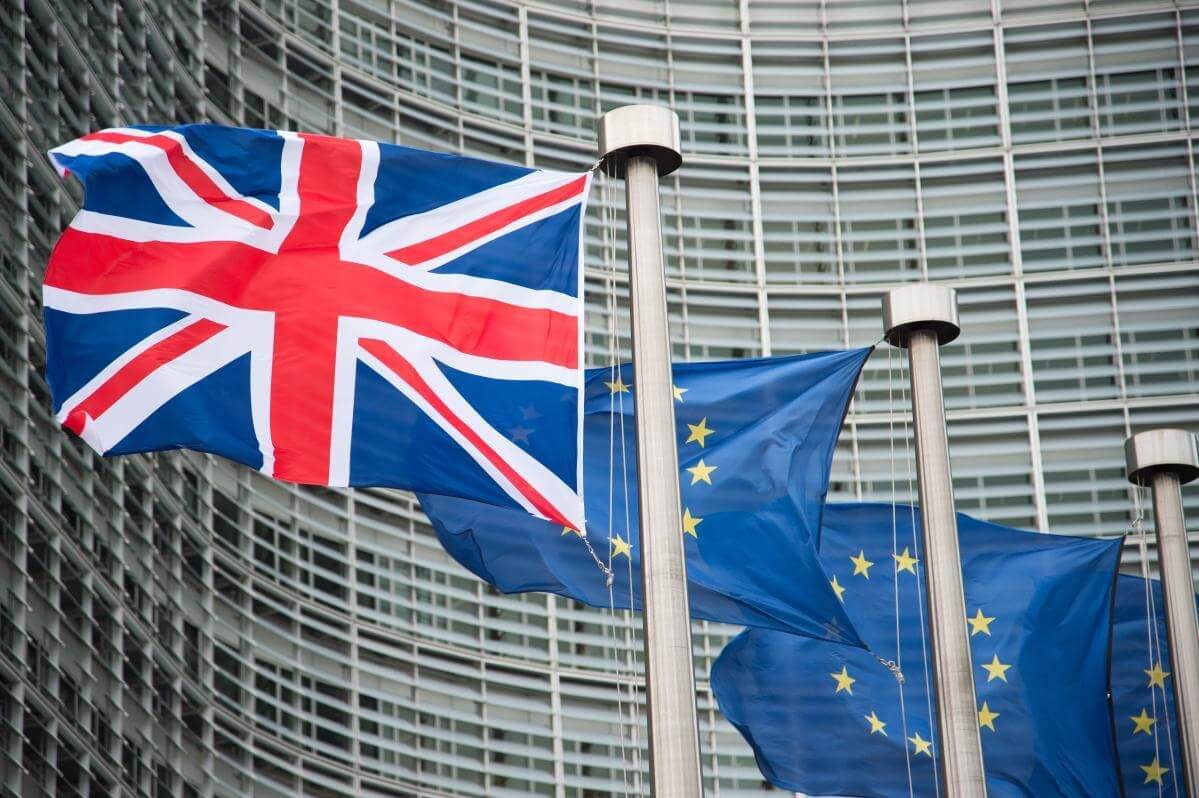 Greater democracy and more engagement might allow the Burnham team to fulfil the requirements of the Makerfield Test and perhaps to resolve divisions over Europe
She argued that recasting foreign policy through this lens offered a way to reconnect global strategy with domestic renewal and rebuild public trust in the value of international engagement.
Beyond the promise of domestic renewal, how might the post-Brexit electorate respond to rebuilding international ties and potentially creating new ones?
While the UK’s left behind regions have suffered from the economic consequences of the Ukraine and Middle East conflicts, immigration remains their top overseas-related concern.
If Burnham wants to test the waters, the Boles’ blueprint proposes a digitally supported national conversation about what issues matter most to people in rethinking the relationship with Europe.
That could involve convening a citizens’ assembly to explore the most difficult trade-offs and provide a sense of the priorities the public believes should guide ministers in negotiations.
In other words, greater democracy and more engagement might allow the Burnham team to fulfil the requirements of the Makerfield Test and perhaps to resolve divisions over Europe with which the UK has been saddled for far too long.
