Venezuela is not poor due to sanctions. It is poor because the Chavez-Maduro regime stole hundreds of billions of dollars and demolished the productive fabric of the economy.
Venezuela had 12,700 private companies when Chávez came to power, according to Conindustria. Only about 3,800 manufacturing industries are still operating, of which around 3,200 are privately owned and 600 are state‑owned.
The assault on private property culminated with the expropriation of more than 690 companies in twelve years. Government-run businesses failed, and large state-owned companies in Venezuela are technically insolvent or heavily loss-making.
Socialism of the XXI century, they called it: government expropriations, price controls, capital controls, and complete absence of legal and investor security.
The socialist regime arrived in a period of rising oil prices and squandered one of the largest oil bonanzas in history while destroying the national oil company, which was one of the most efficient when Chavez arrived in power and is now riddled with debt of more than $41.6 billion, and production has plummeted to less than a third of what it was.
The extraordinary oil revenues of more than 960 billion dollars under Hugo Chávez and Nicolás Maduro were stolen, squandered, and wasted.
Government spending was out of control, and the state ran double-digit fiscal deficits in the period of oil price-linked economic boom.
A deep structural crisis years before U.S. oil sanctions
You may have read the lie that the reason behind Venezuela’s suffering is US sanctions. This is false.
Sanctions did not start until 2019, and the economy was already in deep recession and hyperinflation. Venezuela’s economy had already entered a deep structural crisis years before the U.S. oil sanctions were imposed.
Furthermore, those sanctions were targeted against leaders of the dictatorship, not the broad economy.
Real GDP started to slump in 2013, and by 2017 the economy had already lost a large share of its output
The collapse in output, triple‑digit and then hyperinflation, and widespread shortages all began when the country had full access to global markets and international finance.
Real GDP started to slump in 2013, and by 2017 the economy had already lost a large share of its output. Hyperinflation roared into 2017, when monthly price rises exceeded 50%, well before the 2019 sanctions.
The human rights violations, institutionalised murder, and lack of legal and personal rights highlighted by Amnesty International were there years before any sanction.
Trade with major powers, collapse at home
Venezuela has trade agreements with the world's major powers. The United States is one of its main trading partners, along with the European Union, China, Russia, Turkey, India, and Brazil, among others, according to the Venezuelan government's own data.
Moreover, Venezuela has been one of the largest beneficiaries of soft loans and debt restructurings in the entire region since 2013.
In fact, the first person to acknowledge that there is no embargo whatsoever is dictator Maduro, who boasts of the large exports and trade deals and proudly announced $18 billion dollars from exports in 2024.
By 2023–2024 Venezuela was producing barely one-fifth to one-quarter of what it did around 2012–2013
Despite receiving more than 78 billion in financial support and investment from China and Russia, according to CRS figures, Venezuela’s economy has been demolished, its oil industry has almost collapsed, and the economy has lost most of its GDP, with one of the worst hyperinflation and migration crises in modern peacetime history.
The IMF estimates that real GDP contracted by about 75% between 2013 and 2021, while other studies show an 80% fall in GDP in less than a decade, which implies that by 2023–2024 Venezuela was producing barely one-fifth to one-quarter of what it did around 2012–2013 and not much more than half of its 1998–1999 level in real terms.
The assault on the private sector
At the start of the Chávez era, Venezuela produced around 3.3–3.5 million barrels per day, an efficient and professional oil company respected worldwide.
In 2003, the Socialist government fired about 20,000 PDVSA workers, including most of the technical and managerial professionals, and replaced them with political appointments, destroying the company in one strike.
The company was converted into a political machine used to finance the government’s “missions” to spread its political influence. PDVSA became a direct funder of obscure off-budget projects and political spending.
Underinvestment, corruption, and politicised management caused a continuous collapse in production, which fell from 3.5 million barrels per day to less than a million by 2025, even though the country has the world’s largest proven oil reserves. This is not a story of scarcity but of deliberate decapitalisation of the productive asset.
Price controls, exchange controls, and import licensing completed the destruction of the economy
The assault on the private sector extended far beyond energy. The Chávez and Maduro governments expropriated or nationalised firms in steel, cement, electricity, telecommunications, agriculture, banking, retail, and food distribution.
Constant threats of seizure, legal uncertainty, and discretionary punishment pushed many local and foreign firms to exit operations.
Meanwhile, politicisation made the state-owned companies and the expropriated businesses collapse under inept management and direct political theft of resources.
Price controls, exchange controls, and import licensing completed the destruction of the economy. When inflation soared, the government's answer was to impose more controls and forced sales, which emptied shelves, cut production, and accelerated capital flight, deepening the economic collapse.
From oil wealth to a prison
From 1998 to 2025, government spending tied to political “missions” multiplied, financed directly from PDVSA and special funds controlled by the presidency.
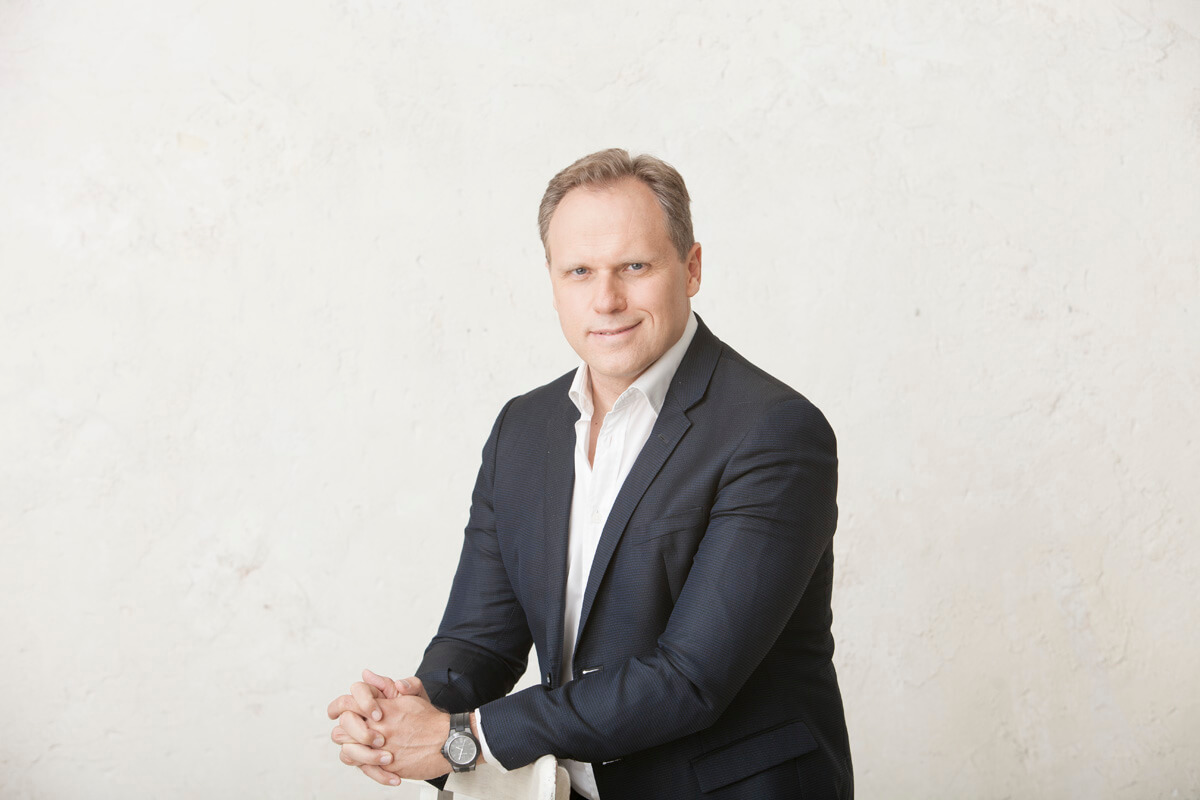 The lesson from Venezuela is that socialism has made a rich and prosperous nation one of the poorest in the world and converted the country into a prison - Daniel Lacalle
The social consequences have been catastrophic. Poverty in Venezuela has risen to 80–90%; millions have fled the country, creating one of the largest displacement crises in the world, while the domestic banking system and credit intermediation have been dismantled.
The Maduro regime is usurping power, has rigged all elections and keeps hundreds of political prisoners. Maduro's forces killed 9,465 people in 10 years, according to Provea. "They institutionalised state killings,” reads a 2024 report.
Venezuela’s collapse is not the inevitable fate of an oil‑rich country or the result of external sanctions; it is the product of deliberate policies, theft, and squandering.
A historic oil windfall was wasted, PDVSA was systematically decapitalised from within, and the institutionalised robbery was completed through expropriations and capital controls, leaving an economy unable to grow even when the global peers thrive.
The lesson from Venezuela is that socialism has made a rich and prosperous nation one of the poorest in the world and converted the country into a prison.
