I arrived in Barcelona at 9:40 p.m. on Tuesday, unaware that another train to the same city had derailed forty minutes earlier. My long-distance train had stopped unexpectedly outside the city.
There was an announcement after the incident, which seemed normal at the time. A simple delay, that we would be en route in a few minutes, but travelling at a reduced speed for the remainder of our journey. I learned the reason for the delay later on.
By Wednesday morning, no Rodalies trains in or out of Barcelona. Two serious rail accidents in Spain within days had already claimed lives. Routine journeys that ended in tragedy. I send my deepest condolences to the families of those affected.
I have written about rail technology before, focusing on innovation, competition, and progress. This week, it demands a hard look at where technology can protect lives, where it fails, and where leadership and government must act.
Rail is one of the safest forms of transport in the world, but it is also incomplete because safety does not exist in theory. It depends on investment, maintenance, governance, and prioritising the modernisation of aging infrastructure.
How rail technology has evolved over the past decade
Rail travel today looks different from what it did ten years ago, let alone when I was a child. Trains are much faster, quieter, more energy efficient, and more connected.
Technology has transformed passenger experience and operational intelligence. I hardly remember a time when I did not have connectivity on a rail journey.
Today, trains communicate with control centres via advanced signalling systems, such as the European Train Control System (ETCS), which was developed in the mid-to-late 1990s.
These technologies help in monitoring speed, braking, and track conditions. The automatic train protection reduces human mistakes by taking over when certain conditions are not met.
Advances work, but they do prevent accidents every day that never make the news
Predictive maintenance, which uses sensors on wheels, axles, tracks, and overhead cables to continuously collect data, has advanced. By examining vibration, heat, and wear patterns, modern AI algorithms detect risks before parts break.
Passenger safety has increased over time. Better materials, fire detection systems, increased crashworthiness standards, and more clever evacuation strategies are all included in new rolling stock.
These advances work, and although it is tough to write this sentence this week, they do prevent accidents every day that never make the news.
Technology can help prevent future derailments
Most derailments do not happen without warnings. Tracks deform over time, switches fail, wheels overheat, weather weakens infrastructure, and the biggest challenge of them all is and always will be detection and response.
Modern rail technology excels at early detection through advanced signalling systems like those used on European trains. Track monitoring devices are able to detect even the smallest deviations in alignment.
Faster decision-making is made possible by real-time data sharing between infrastructure administrators and operators
Smart switches report mechanical stress. Wheel impact load detectors identify damaged wheels before they cause more damage.
Faster decision-making is made possible by real-time data sharing between infrastructure administrators and operators. Automatic rerouting or slowing of trains is possible. It is possible to dispatch maintenance staff more precisely.
This should provide a safety net in principle, but as we've seen this week, there are still gaps in reality.
Where companies and governments fall short. Time to call out the top decision-makers
Technology alone cannot overcome neglected infrastructure. Period.
Many rail lines across Europe still rely on decades-old tracks, signalling, and power systems. Retrofitting modern technology onto aging lines only helps so much.
What is a million-dollar asset worth if the infrastructure underneath is damaged and broken?
As rail becomes more connected, digital attacks expand, making cybersecurity a top concern
Governments play an extremely critical role here. Rail operators often do not own the tracks. Infrastructure upgrades depend on public funding cycles, political priorities, and regulatory approval. Safety investments lose momentum when budgets tighten or leadership shifts.
Should I remind governments of the priority announcement from two months ago, when the Spanish government prioritised plans to increase rail speeds to 350 km but chose to delay fixing track issues reported by those on the ground?
As rail becomes more connected, digital attacks expand, making cybersecurity a top concern.
Leading the rail race by example
Alstom is a leader in digital and eco-friendly rail technology systems, rolling stock, and signalling. Its work on ETCS and high-speed trains is influencing networks across Europe and other regions.
With over 160 years in the transport industry, Siemens Mobility is a leader in energy efficiency and innovative infrastructure. By integrating data from trains and signalling systems, Siemens' Railigent X, optimises maintenance and service reliability.
Hitachi Rail, which I have watched closely over the last couple of years, focuses on integrated digital platforms to support safer and more resilient operations.
Talgo stands out for its lightweight train design, 30% lighter than conventional trains, and advanced safety engineering. A hallmark of Talgo trains is that the floor is at the same level as the platform throughout the entire train, making boarding easy for passengers with reduced mobility.
CAF continues to invest in digitalisation and sustainable rail solutions. Its growing footprint in Europe positions it well for modernisation projects.
Stadler Rail gained momentum with modular train platforms and strong customisation capabilities. Its approach allows faster deployment of modern safety features.
Technology supports people, it should never replace responsibility
The ecosystems in which engineers, operators, maintenance teams, and dispatchers operate are controlled by investment and regulation.
Frontline employees are in danger when infrastructure improvements are delayed. Additionally, maintenance windows decrease as budgets do.
Safety should never be a choice since it links cities, cultures, and economies
For the most part, rail is public infrastructure. Safety should never be a choice since it links cities, cultures, and economies.
Families, communities, and professionals who relied on mechanisms for protection were affected by the disasters in Spain.
Even though technology may not have prevented every outcome this week, investigations always take time, and we must keep working to make daily travel safer. And it encompasses the development and application of technological solutions.
Where is the courage to take action?
Trust is essential for cross-border connections, high-speed corridors, night trains, and sustainable mobility. Only a dedication to modernisation and safety can foster trust. This week should bring new conversations to the table about prioritising safety.
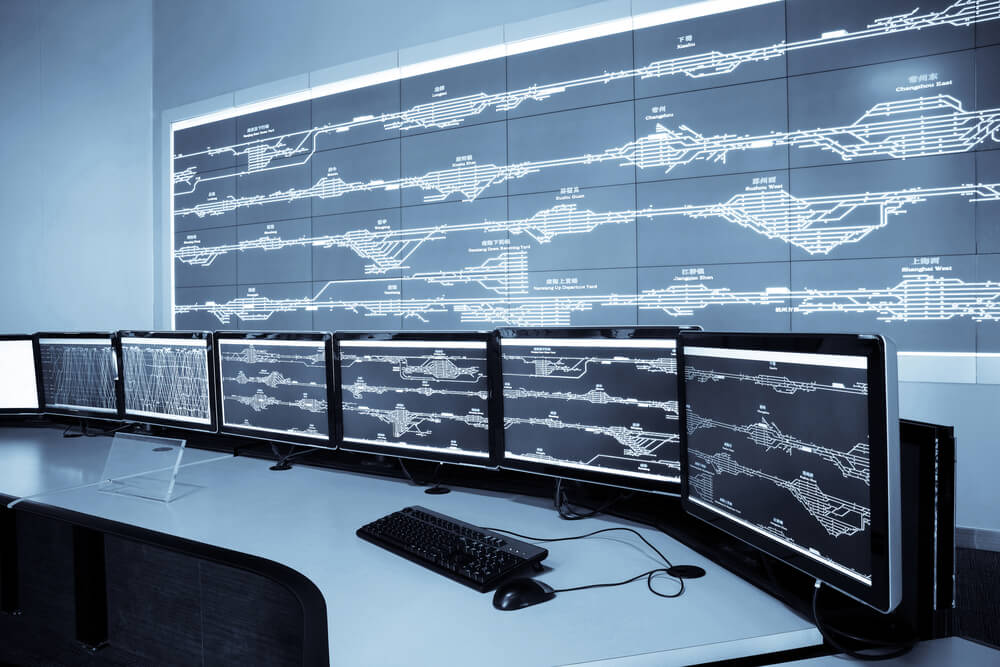
Rail technology is ready. But is the leadership prepared to follow through with action?
We need governments that are ready to finance improvements outside of election cycles and that do more than just talk the talk.
Speaking to a local yesterday about all the maintenance work on the city roads, she said, "Only because the elections are coming and they need something to show. It's the only time they work on fixing issues."
We need operators willing to adopt new technology at scale, and we need transparency when systems fail.
Rail technology is ready. But is the leadership prepared to follow through with action?
Since I was a young child, I have believed in trains, and I choose to trust the engineers and operators who maintain them. I will always think that technology can save lives when used responsibly.
Are those in positions of authority prepared to make investments in the safeguards that keep us safe before tragedy interrupts another journey?
