The latest strains in the special relationship between the UK and the US threaten to put further pressure on a unique intelligence partnership that has long been dedicated to keeping them and their closest allies safe.
The two countries are the founding members of an espionage alliance that grew out of cooperation in World War II and, with the later incorporation of their Anglosphere partners, Australia, Canada and New Zealand, came to be known as the Five Eyes.
With the US diverging from its traditional allies on a range of issues and amid a growing perception that the existing global order is dying, if not already dead, will the 80-year-old intelligence-sharing arrangement survive?
There are ample arguments why it should. The round-the-clock exchange of information, gleaned from sources that range from agents on the ground to satellites in space, means the Five Eyes partners are constantly watching each other’s backs.
The partnership has nevertheless faced a number of challenges in the year since Donald Trump returned to the White House with an agenda that puts US interests first.
Personnel at agencies such as the UK’s MI6 and the US’s CIA continue to operate in lockstep, and the allies still benefit from each other’s assets, such as overseas listening posts.
Trump 2.0 sparks allied doubts over intelligence sharing
However, foreign policy tensions between Trump and his allies over issues such as Ukraine have filtered down to the intelligence sphere to undermine mutual cooperation and trust.
In the early weeks of Trump 2.0, in a signal of a shift towards Russia, the administration suspended intelligence-sharing with Ukraine and told its Five Eyes partners to stop passing on US-sourced intelligence to Kyiv.
That heightened existing suspicions in London and other allied capitals about the reliability of some of the Trump loyalists entrusted with directing intelligence in his second term.
The concerns were laid out in evidence given to a UK parliamentary committee session in March by four former British ambassadors to Washington.
Karen Pierce, who left the post last year, reflected the views of her diplomatic peers when she said UK officials should be circumspect about what information they shared with the top tier in Washington.
She and her colleagues almost certainly had in mind figures such as Tulsi Gabbard, appointed by Trump to head national intelligence, despite Moscow-leaning views that led political opponents at home to denounce her as “Putin’s puppet”.
Gabbard was reported to have blocked the sharing of information on Ukraine peace negotiations with Five Eyes allies
Later last year, Gabbard was reported to have blocked the sharing of information on Ukraine peace negotiations with Five Eyes allies, although this was subsequently denied by her office.
Another problematic appointment for the spies in London was that of Kash Patel as director of the Federal Bureau of Investigation.
During a UK visit last year for a regular Five Eyes gathering, the FBI boss is reported to have assured the UK’s domestic intelligence agency MI5 that he would continue to maintain a bureau post in London for an expert in high-tech surveillance.
It turned out that the job, which might have helped the British strengthen their domestic defences against agents of hostile governments, had already been slated for defunding.
Faith in the reliability of the new top team in Washington was also dented in the so-called Signalgate scandal, in which real-time information on US military operations in Yemen was shared in a group chat of senior officials that inadvertently included a journalist.
Allies took the affair as an indication of amateurish laxity towards safeguarding the US’s, and potentially their own, state secrets.
Old world order fading as intelligence ties weaken
On the matter of restricting intelligence-sharing among the allies, the situation has not been entirely one-sided.
In the period leading up to this month’s forced removal of Venezuela’s President Nicolás Maduro by US forces, the UK restricted some of the information it would normally share with the US Coast Guard to assist its operations to stem drug smuggling.
The policy was prompted by concerns that a series of lethal US strikes against suspected smuggling boats in Caribbean waters, where the UK still has overseas territories, was potentially illegal under international law.
Mark Carney made his mark at the World Economic Forum in Davos by declaring that the old world order was fading and was not coming back
Since then, political developments have confirmed a continued downward trajectory for cooperation between the US and its traditional allies.
Mark Carney, prime minister of Five Eyes partner Canada, made his mark at the World Economic Forum in Davos by declaring that the old world order was fading and was not coming back.
Carney has previously had to endure Trump’s musings about Canada becoming the US’s 51st state, while White House trade adviser Peter Navarro was last year reported to be urging that Canada should be removed from the Five Eyes intelligence partnership.
The White House did not comment, although Navarro eventually denied he had pushed the idea.
UK–US intelligence relationship faces new tests
While relations between Canada and the US might be at a new low, there are also troubling rifts on a number of issues between Washington and London that have security implications.
The intelligence relationship between the UK and the US is the most closely entwined within the Five Eyes, with personnel from both sides routinely embedded with their partner agencies.
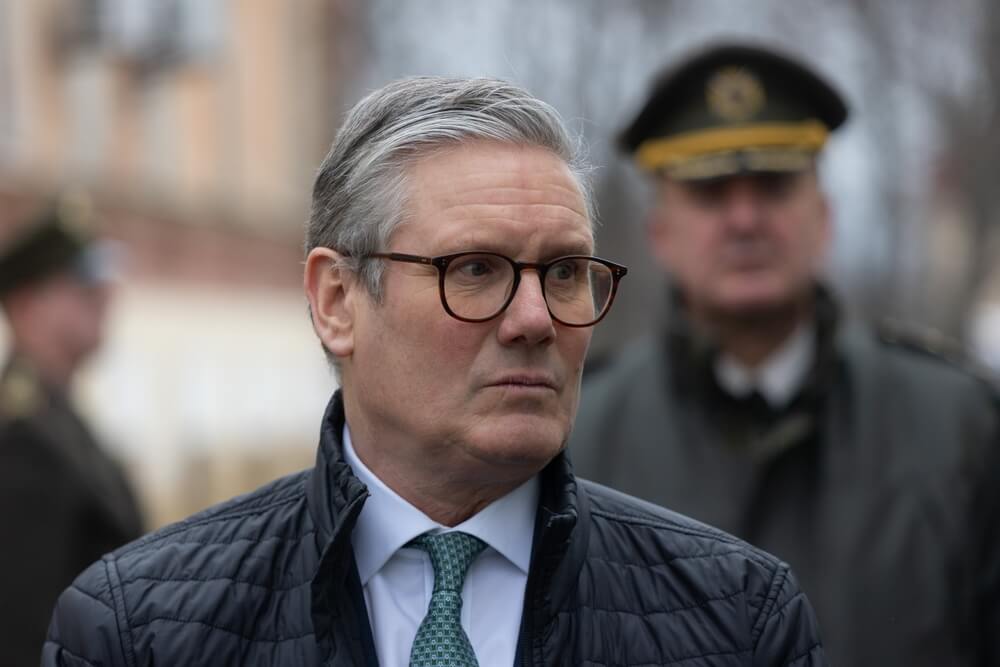 The next test of the transatlantic relationship will be Prime Minister Keir Starmer’s forthcoming visit to China
The political mood has soured, however, with the UK opposing Trump’s designs to annex Greenland and exacerbated by his comments denigrating the past contribution of British and other allied forces to US-led operations in Afghanistan.
Trump may have rowed back somewhat on both those issues but has not softened his new-found opposition to the UK’s deal to transfer sovereignty of the strategic Indian Ocean Chagos Islands to Mauritius.
The next test of the transatlantic relationship will be Prime Minister Keir Starmer’s forthcoming visit to China, where he will be seeking new trade and investment opportunities to boost the UK economy.
He risks Trump’s ire if he reaches any deals that might adversely affect US interests.
White House sources have already expressed security concerns about the UK government’s go-ahead for a new Chinese super-embassy in London.
British intelligence says the project is safe. Of course, Washington might have helped guarantee that it was safer still if the FBI’s Patel hadn’t made his agency’s London-based surveillance expert redundant.
