When analyses by several publications examining Kevin Warsh’s interest-rate rhetoric over the past twenty years are read together with the comprehensive interviews he has given in recent days, the issue stated in the title takes on a much broader framework: the global struggle of central banks for independence and legitimacy.
In other words, this is no longer merely a debate about interest rates; it is a struggle for the survival of central banking itself.
Warsh’s point of departure is classic yet unsettling: “Inflation is always and everywhere a monetary phenomenon.” This statement is a direct challenge to the defensive narrative central banks have increasingly adopted in recent years.
The pandemic, the war in Ukraine, Putin, energy prices, supply chains—according to Warsh, none of these can explain persistent inflation.
They may cause a one-time increase in the price level, but sustained inflation emerges only if the central bank allows it. Inflation, therefore, is not an unfortunate external shock; it is an institutional choice.
This perspective is rooted in the legacy of the Paul Volcker era. At that time, the Federal Reserve prioritised price stability, despite significant political costs.
Today, however, Warsh argues that the Fed has relegated price stability from a primary objective to merely “one variable among many to be balanced.”
This is precisely the point emphasised by various media outlets: Warsh’s core objection is not to the level of interest rates but to the loss of focus.
When independence becomes a question of whom the Fed serves
The clearest manifestation of this shift is found in quantitative easing policies. Warsh accepts QE1, implemented during the 2008 crisis, as a necessary emergency intervention to save a frozen financial system.
However, he views QE2, QE3, and the massive expansion during the pandemic as a turning point—indeed, a breaking point—for modern central banking.
In his view, the Fed transformed quantitative easing from an extraordinary tool into a reflexive response to every market stumble. This approach not only undermined market discipline but also rendered the central bank increasingly vulnerable to political expectations.
At this juncture, Warsh introduces an unconventional definition of “independence,” one that goes beyond the standard narrative. Independence, he argues, is not about whether the U.S. President calls the Fed or not.
Independence is about whom the institution appears to serve. For instance, when the Fed purchases massive amounts of government bonds to suppress Treasury borrowing costs, it effectively becomes an extension of fiscal policy.
Warsh is not alone in raising this concern. Figures such as Larry Summers, Mohamed El-Erian, and even voices within the BIS have long posed the same question: Are central banks managing price stability, or are they financing public debt?
History shows that once central banks are perceived as instruments of political convenience, inflation ceases to be merely an economic problem and evolves into an institutional crisis
This is where America’s real trouble begins. Debt levels continue to rise, interest expenses are increasing rapidly, and the United States is now allocating more resources to servicing its debt than to its defence budget.
Even for a country that issues the world’s reserve currency, this is an alarming picture. The strength of the dollar rests not only on military and economic power but also on institutional credibility.
It is at this point that politics enters the equation. Donald Trump’s persistent pressure on the Fed to maintain low interest rates gives added relevance to Warsh’s critiques. Trump’s fixation on low rates is nothing new, but the current context is more complex.
A political leader under pressure from issues such as the Epstein files may well attempt to divert attention and create a short-term sense of prosperity by weaponising ultra-low interest rates.
Lower mortgage costs, rising asset prices, and buoyant equity markets could temporarily reassure both voters and investors.
Yet this short-term comfort aligns precisely with the danger Warsh warns against: the erosion of central bank credibility in exchange for immediate political gains.
History shows that once central banks are perceived as instruments of political convenience, inflation ceases to be merely an economic problem and evolves into an institutional crisis.
Inflation is a choice—so is independence
For this reason, Warsh’s proposed solution is as much institutional as it is technical. He argues that the Fed must decisively shrink its balance sheet, fully exit the market for mortgage-backed securities, and abandon the role of a credit-allocating actor.
This represents an effort to confine monetary policy once again to a narrower, clearly defined domain. In Warsh’s view, the more areas central banks attempt to manage, the more exposed and fragile they become.
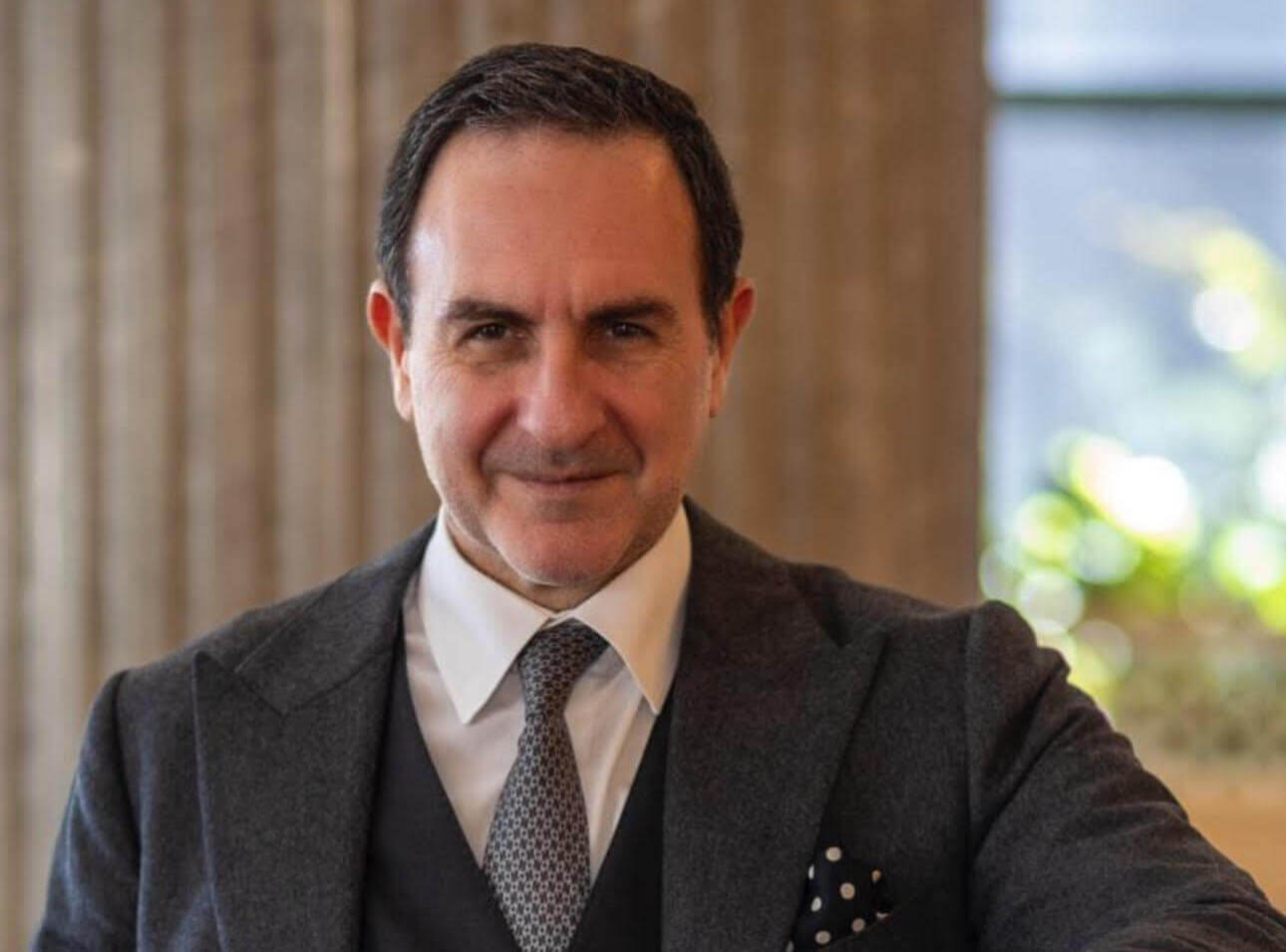 The key issue today is not where interest rates should be set, but whether central banks exist despite politics or for politics - Emre Alkin
His perspective on cryptocurrencies should be read within this same framework. Rather than viewing Bitcoin as a threat, Warsh sees it as a warning mechanism—a market signal against bad economic policy.
In this sense, crypto assets may function as a reminder to central banks of their limits, implicitly challenging the notion that they are the only viable monetary authority.
Despite all these structural critiques, Warsh remains optimistic about the future of the U.S. economy. He believes that productivity gains driven by artificial intelligence and technological innovation, if combined with sound monetary policy, could give the United States a significant advantage.
But there is a crucial condition: the preservation of institutional trust. Without it, even technological superiority cannot compensate for monetary instability.
Ultimately, Kevin Warsh’s candidacy for the Fed chairmanship coincides with a period in which central banks are debating not only interest rates but their very raison d’être.
The key issue today is not where interest rates should be set, but whether central banks exist despite politics or for politics. If the United States is to face serious trouble, it will not stem from a lack of economic capacity but from the blurring of institutional boundaries.
Warsh’s message is clear: just as inflation is a choice, central bank independence is also a choice. And if that choice is made incorrectly, the cost will not be borne solely by today’s politicians but by future generations as well.
