There was a time when we were shouting, “Let’s Get Physical.” In the 1980s, losing weight meant gyms, aerobics tapes, sweat, patience, and a shared sense of enthusiasm. You put on a Jane Fonda cassette, pulled on your tights, and people lost weight while socialising.
Today, however, weight loss has largely turned into an injection, a subscription, and a budget line item.
The rapid global spread of drugs like Ozempic, Mounjaro, and similar medications is not merely a medical development.
If we read this picture incorrectly, we dismiss it by saying, “People have become lazy.” In reality, a much bigger story is at play: the economics of time, money, and perception.
The issue is not just money—it’s time
Let’s start with the numbers. The global weight-loss and weight-management industry is now a market worth hundreds of billions of dollars. Estimates suggest it is approaching the $250–300 billion range.
What does that mean? It means the size of the global weight-loss economy is comparable to the annual GDP of countries such as Finland or Portugal.
In other words, this is no longer about individual diets; it is a sector operating at the scale of national economies.
The fastest-growing slice of this massive pie is weight-loss drugs. The anti-obesity drugs market is expected to reach $90–100 billion within a few years.
In the United States alone, spending on these medications has multiplied over the past five years.
From a healthcare industry perspective, this is a remarkable commercial success. But the social dimension cannot be ignored.
Now let’s look at the consumer’s wallet. Compare the cost of exercising with the cost of these drugs.
What is presented as the “easy way” is often a far more expensive one
An average gym membership in developed countries ranges between $40 and $70 per month, roughly $500–800 per year. Add clothing, transportation, maybe an app—and it still remains within a reasonable range.
Weight-loss drugs, however, are in a completely different league. Monthly costs can start around $300 and exceed $1,000, depending on access and coverage.
On an annual basis, this translates into $4,000 to $15–16,000. In other words, what is presented as the “easy way” is often a far more expensive one.
So why do people choose it? Because the issue is not just money—it’s time. In modern urban life, people work long hours, eat irregularly, and struggle to maintain consistency when it comes to exercise.
Add social media pressure to the mix: filtered bodies, “before-and-after” videos, and rapid transformation stories. Weight loss is increasingly less about health and more about visibility.
The gender gap is also clear. Data show that women are more heavily targeted by this market and spend more within it. Interest in weight-loss drugs is higher among women.
Demand among men is growing too, but it tends to shift towards muscle-building and performance products. In short, the market expands by placing the social burden of body image largely on women.
Weight loss as a global economy
One thing must be said plainly: these drugs are not “harmless like candy.” They are effective, yes—but they come with side effects.
The most common are gastrointestinal problems, such as nausea, vomiting, diarrhoea, and constipation. More serious risks are clearly documented in the medical literature.
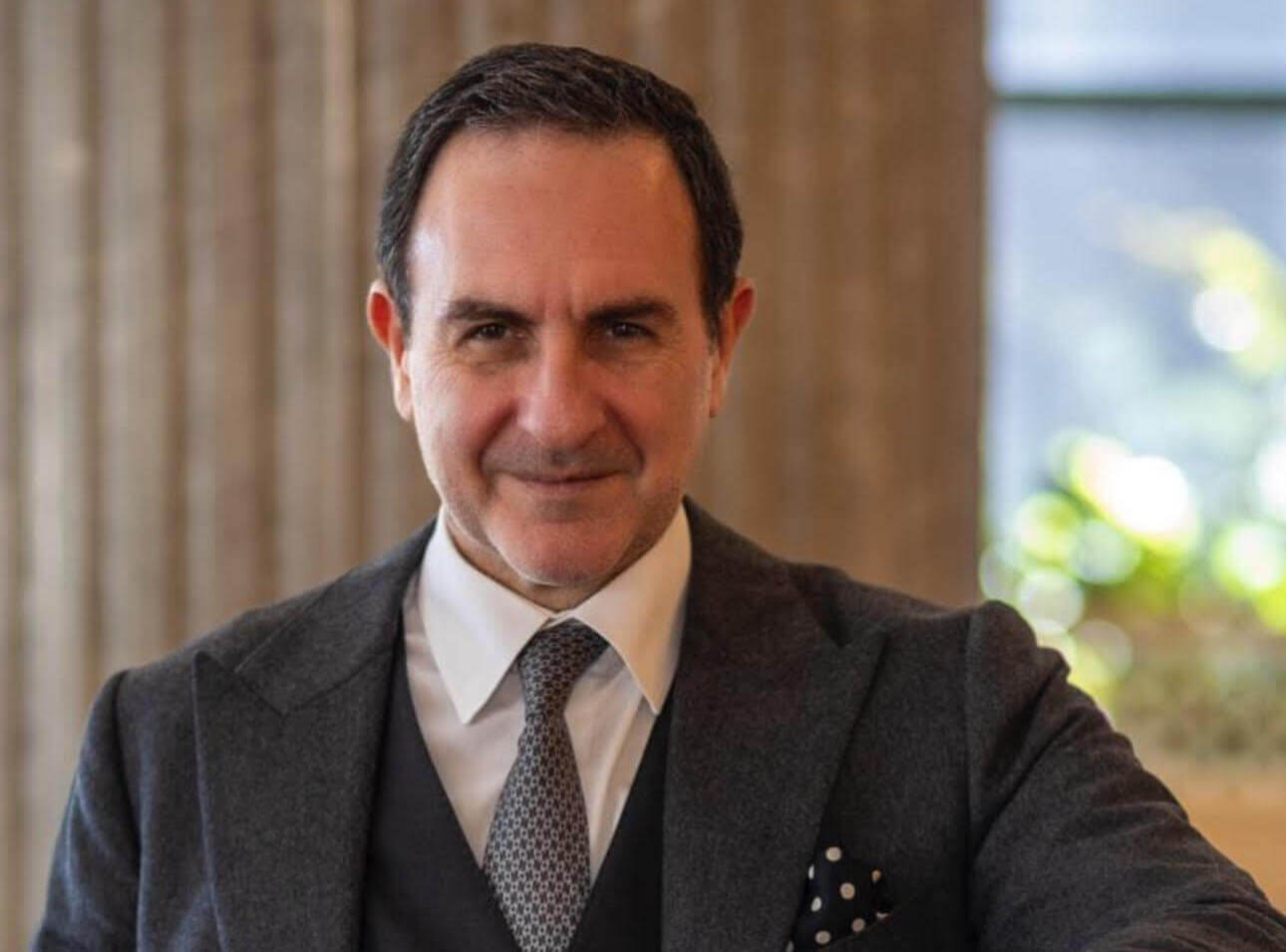 Weight loss is no longer just an individual choice—it is a global economy. Exercise remains the cheapest and healthiest option - Emre Alkin
Moreover, once the medication is discontinued, the likelihood of regaining weight is quite high. This is not a “take it and you’re done” solution; it means ongoing monitoring and ongoing cost.
That’s why the contrast between the aerobics movement of the 1980s and today is so striking. Back then, weight loss was a story of effort.
Today, it is a story of speed and budgets. People are not choosing this path because they want shortcuts; they are choosing it because they lack time, live under constant pressure, and are pushed towards quick results.
In the end, weight loss is no longer just an individual choice—it is a global economy. Exercise remains the cheapest and healthiest option.
But social media, income inequality, and time scarcity push people towards more expensive solutions.
One thing should not be forgotten: there are no miracles when it comes to the body. No matter how much money you spend, the essence remains the same—balance, continuity, and sound management.
