Net zero was sold to Europeans as a triple win: lower emissions, stronger industry, and cheaper energy.
Two decades later, the continent has higher structural energy costs for consumers, a weakened industrial base and a new set of strategic dependencies.
The idea that renewables alone will solve Europe’s energy crisis is not just wrong; it is dangerously complacent.
Let us start with the basic numbers. Despite record deployment of wind and solar and hundreds of billions of euros in subsidies, roughly 70 per cent of the EU’s gross available energy still comes from fossil fuels: oil, gas and coal.
Renewables account for less than a fifth of total primary energy, with most of the remainder provided by nuclear. Electricity is the only segment where wind and solar appear dominant.
However, electricity is only part of the system, and the need for natural gas backing in peak demand periods has perpetuated Russian gas dependency.
Once transport, industry and heating are included, Europe remains overwhelmingly fossil‑fuel based, and this will not change in the next decade.
A ‘strategic mistake’
The war in Ukraine and the rush to net zero have not changed this reality; they have simply redrawn the map of dependence.
European imports of Russian gas have persisted despite sanctions, increasingly in liquefied natural gas (LNG). At the same time, Europe has raced to expand LNG capacity and lock in long‑term cargoes from the United States and Qatar.
Far from delivering autonomy, the transition has entrenched reliance on foreign gas suppliers, often at higher marginal cost and with greater exposure to global price volatility.
Closing reactors was a phenomenal mistake that drove prices higher and made energy security weaker
Europe decided to ban or severely limit the exploration and development of its natural resources only to purchase energy at much higher prices.
The parallel decision to shut down nuclear power has made this vulnerability worse. Phasing out firm, low‑carbon baseload in countries such as Germany and Belgium did not create a renewable paradise; it revived coal, increased gas burn and eroded security of supply.
Policymakers are now implicitly admitting it. Von Der Leyen called the nuclear phase-out a "strategic mistake".
Nuclear, once treated as a problem to be eliminated, is being redefined as a “strategic” technology, and several member states are talking about a nuclear revival to stabilise the system. Closing reactors was a phenomenal mistake that drove prices higher and made energy security weaker.
A new front in Europe’s dependency problem
Meanwhile, the celebrated surge in renewables has opened a new front in Europe’s dependency problem. The continent imports almost all its solar panels, and the overwhelming majority come from China.
The IEA warns that the world will “almost completely rely on China” for the key building blocks of solar manufacturing – polysilicon, ingots and wafers – for years to come.
The pattern is similar for critical raw materials: rare earths, lithium, cobalt and other minerals essential for turbines, batteries, and grids are overwhelmingly processed in China.
A strategy centred on ever greater electrification and volatile renewables without diversifying supply chains does not end geopolitical risk. It merely adds China to the dependence on Russia and OPEC.
Net‑zero policies have also carried a heavy industrial cost. Instead of driving a productivity and innovation boom, they have often pushed energy‑intensive sectors out of Europe altogether.
Net‑zero policy, as executed, has shifted risk and higher cost towards the end user
Steel, chemicals, fertilisers, aluminium, glass and paper producers have seen their competitive position shredded by higher energy prices, a volatile carbon tax and excessive regulation.
Emissions “fall” on paper because factories close or relocate to regions with looser standards and cheaper energy, not because underlying processes have become genuinely cleaner. This is not decarbonisation; it is de‑industrialisation and job destruction.
For households and small businesses, the promise of lower energy bills has not materialised. Bills have soared, and Europeans pay twice as much as US or Chinese citizens and businesses for electricity and natural gas.
While there are periods when wholesale electricity prices fall on the back of low gas prices and strong renewable output, the structure of bills drowns any improvement.
Network charges, taxes, subsidies and capacity mechanisms, and the cost of carbon allowances embedded in power prices all accumulate to make bills more expensive every year.
The result is higher total energy costs even as politicians boast that “sun and wind are free”. Net‑zero policy, as executed, has shifted risk and higher cost towards the end user.
Picking the wrong winners and losers
The biggest problem comes from a policy designed from an ideological and sectarian perspective. European energy and climate policy has been guided by activist targets and slogans more than by competitiveness, flexibility and security of supply.
Policymakers have picked the wrong winners, heavily subsidising some technologies while penalising or banning others, and the wrong losers, instead of designing a technology‑neutral framework that rewards competitiveness, reliability and low emissions at the lowest possible cost.
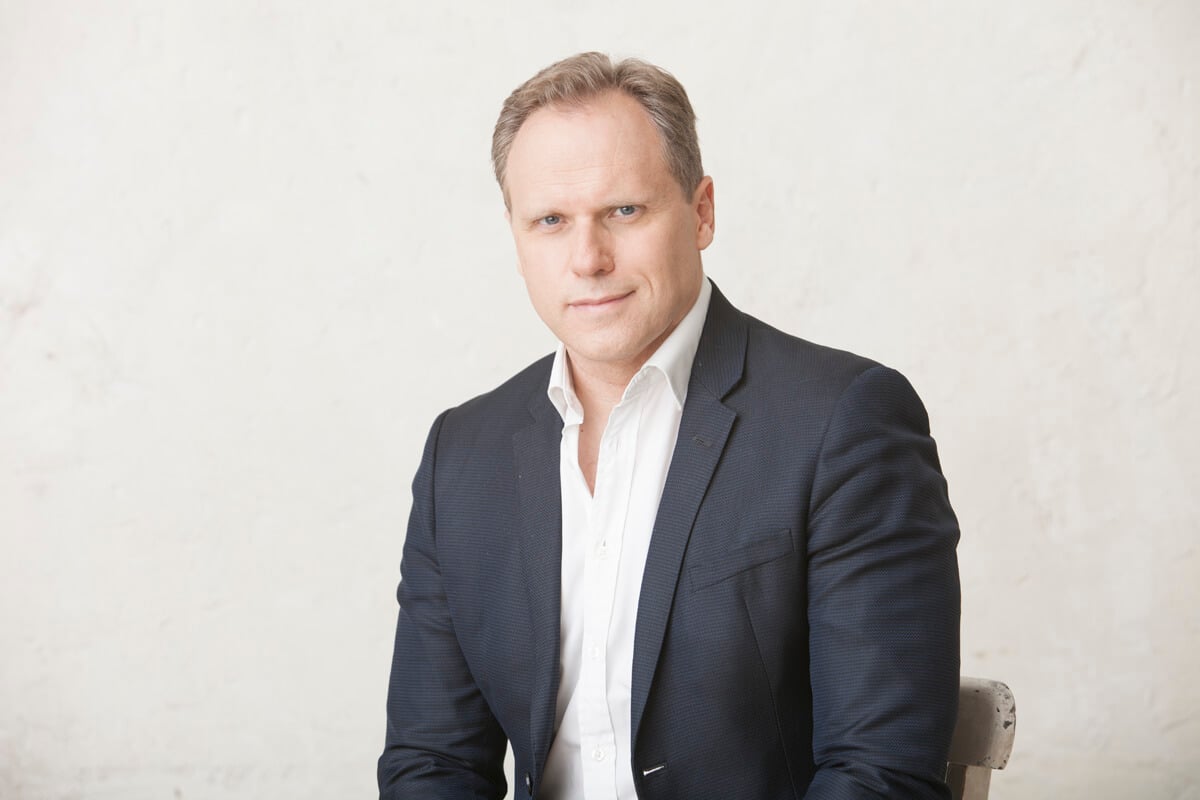 Europe should abandon the comforting illusion that renewables alone will make the continent independent, prosperous and green - Daniel Lacalle
The outcome is an unbalanced mix: too much intermittent capacity without adequate firm backup, too much regulatory complexity, too many taxes and hidden charges and limits to investment.
There is an alternative. Europe will not resolve its energy crisis or meet its climate goals by limiting some sources and betting everything on one family of technologies.
It needs an “all of the above” strategy anchored in open markets and diversification.
That means treating nuclear and hydropower as the stable, low‑carbon backbone of the system; allowing renewables to grow where they genuinely compete on cost and system value; and recognising that natural gas will remain essential for decades, while ensuring supply is diversified in both origin and contract structure.
It also means making use of domestic resources, from responsibly developed gas fields to local mining and processing of critical minerals under strict environmental standards, instead of outsourcing every strategic decision.
Energy security and competitiveness are not achieved by demolishing the industry, banning technologies, and hoping that more wind farms and solar parks will somehow fill every gap. They come from competition, diversification and technology.
Europe should abandon the comforting illusion that renewables alone will make the continent independent, prosperous and green.
Only a balanced mix that includes nuclear, hydro, flexible natural gas, oil and competitive renewables, under a policy framework focused on affordability, industrial strength and security of supply, can deliver the stability and strength Europeans were promised.
