Another CES Las Vegas has come and gone, kicking off the technology events calendar for 2026.
The 2026 Consumer Electronics Show showcased new gadgets and how technology is becoming more human, more powerful, and more integrated into daily life than ever before.
Innovations in robotics and notable gadgets highlighted a trend I foresaw in my recent piece on the actual effects of artificial intelligence in 2026.
In summary, we are transitioning from creative concepts and storyboards to implementation and adaptation.
Ten years ago, CES showcased smartphones, televisions, and minor improvements. It's a display of the changes we are experiencing today. Robots that help around the house, machines that work with us, and systems that think with us.
This year's themes were rich in promise, but were they all bells and whistles, or are real use cases ready for deployment?
Robotics took centre stage
I am glad to see the evolution of robotics. This year, robots were heavily featured in exhibits that prioritised usefulness over novelty.
For example, Brandt Varner, Vice President of Sales, Home Appliances at LG Electronics, showed us LG CLOiD™, which folds laundry, prepares simple meals, and interacts with ThinQ-connected appliances, suggesting a future in which household chores are less burdensome.
Boston Dynamics' Atlas made headlines again for its real-world agility and multitasking capabilities, designed for factory environments and challenging operational settings.
"For more than 30 years, Boston Dynamics has been building some of the world's most advanced robots," said Robert Playter, CEO of Boston Dynamics. "This is the best robot we have ever built. Atlas is going to revolutionise the way industry works, and it marks the first step towards a long-term goal we have dreamed about since we were children–useful robots that can walk into our homes and help make our lives safer, more productive, and more fulfilling."
At CES 2026, robots appeared less as futuristic concepts and more as emerging practical tools for daily life and work
The conversation was advanced by SwitchBot's Onero H1, a mobile, articulated household robot that can interact with items and smart devices. Welcome to a time when tailored, helpful robotic assistants are as common as turning on the TV.
Roborock President Quan Gang introduced the Saros Rover, a vacuum with legs that can climb stairs and weave through tougher home layouts thanks to artificial intelligence. This gadget is another example of how home robotics is becoming more intelligent and independent.
At CES 2026, robots appeared less as futuristic concepts and more as emerging practical tools for daily life and work. I said it before, and I say it again: Physical AI and Robotics are the topics to follow this year. A reminder that physical AI systems enhance, they do not replace human abilities.
Other gadgets making noise
While robots attracted most of the interest, many gadgets echoed current and future consumer lifestyles.
Foldable and rollable displays from Lenovo and Samsung advance flexible hardware in both practicality and portability. Wellness technology and innovation, from biometric smart scales to wearable air quality monitors, showed how personal data and digital insights are now colliding.
Novelty will always be a key factor in attracting visitors
Smart home devices continue to evolve, offering greater convenience and better connectivity. Refrigerators can manage groceries through barcode scanning and voice commands, while the latest smart locks utilise UWB and Matter interoperability. I'll cover smart locks in more detail very soon.
There were playful, unexpected technologies, including AI-powered "cyber pets," more climbing robot vacuums, and unique lifestyle gadgets. Novelty will always be a key factor in attracting visitors, but product longevity depends on how they are deployed and implemented in real-world settings.
A decade of evolution
CES highlights once centred on incremental upgrades such as larger screens and faster chips, with an emphasis on hardware specifications.
Today's innovation looks very different as it integrates AI, hardware, software, and human experience into coherent systems.
These days, AI goes beyond chatbots and user interfaces. It anticipates demands, controls homes, and powers robots. In the physical world, comprehension, reasoning, and action are becoming more prevalent.
Consumer electronics have become cognitive platforms with devices that can now interpret, predict, and assist
Often called Physical AI, this integration is advancing much faster than before, and industry leaders at CES discussed how robots learn and reason in real-world environments.
Consumer electronics have become cognitive platforms with devices that can now interpret, predict, and assist. Smartphones, once central to personal computing, are now part of a broader ecosystem of connected devices that enhance everything we do in daily life.
Human worth in today's innovation
CES 2026 highlighted how technology is designed for people. Although we are in the early stages with robots that fold clothes or climb stairs, they are not yet mainstream, their prototypes show the potential to reduce cognitive and physical burdens.
I'm glad to see robotics and AI moving from laboratories into everyday environments, assisting with routine tasks, offering companionship, and enhancing capabilities that impact daily life. Products at CES 2026 represent a new phase in digital development, where intelligence aligns with utility and where consumer electronics are maturing to the next stage.
Changing our relationship with machines
Technology trends used to be defined by novelty. But now, they are characterised by usefulness and adoption into daily life. Moving forward, we should focus on products that enhance routines, health, homes, and work, rather than those that impress.
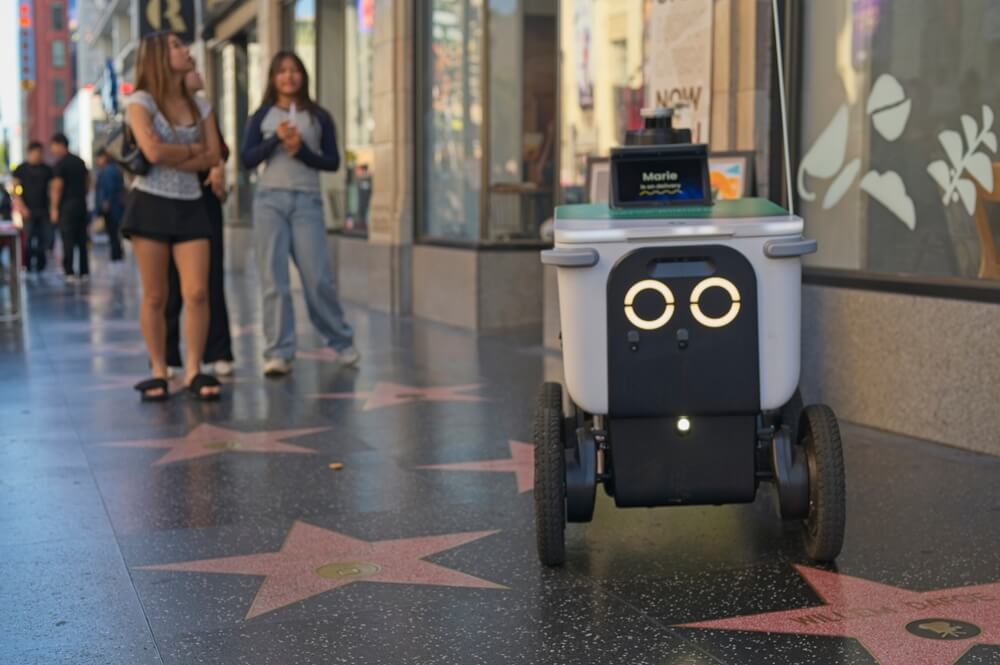 We should focus on products that enhance routines, health, homes, and work, rather than those that impress
Robotics and AI should be designed to address diverse needs. It is essential to involve women, creators, thinkers, and leaders from all fields and capabilities in shaping the next phase of innovation.
Technology will continue to advance. So, how do we guide its development?
We should engage with these trends and ask how robotics and AI can improve real life and build products that empower people of all ages. The focus should always be on the impact it creates for people.
It is time to reconsider our relationship with machines, viewing them as partners in daily life and experience. Are we designing the future for people to thrive or for technology to impress?
In Shania Twain's old song words "that don't impress me much". See you next year at CES Las Vegas.
