Disney has been around for more than 100 years, has built one of the world's most valuable entertainment portfolios, and created some of the most recognisable intellectual property in history.
Yet until this week, it had never had a corporate-level Chief Technology Officer.
That changed when Disney appointed Karandeep Anand as its first-ever CTO. Anand will join as Senior Executive Vice President on 2 October and report directly to CEO Josh D'Amaro.
His remit will cover enterprise technology, infrastructure, data and AI platforms, and product and engineering across Disney's businesses.
Several members of his Character.AI technical team are also expected to join him.
The appointment raises a question facing almost every established and legacy company today: when does technology cease to be a supporting function and become part of the company's core strategy?
It is a leadership reset
Josh D'Amaro took over as Disney CEO, succeeding Bob Iger in March 2026. Earlier this year, Disney also reorganised its Entertainment leadership, bringing streaming, film, television, games, and digital entertainment into a more integrated structure.
This week, Adam Smith was appointed Chairman of Direct-to-Consumer for Disney Entertainment, responsible for Disney+, Hulu, product, engineering, advertising technology, emerging technologies, and data and analytics.
Then came the CTO. Viewed individually, these are executive appointments and organisational changes.
Disney is redesigning how technology fits into the company
Taken together, they suggest Disney is redesigning how technology fits into the company.
Disney customers experience the company through streaming platforms, mobile devices, games, digital communities, physical experiences and personalised services.
The technology layer now touches almost everything Disney does.
The AI connection is impossible to ignore
Anand's background makes the appointment strategic. Before Disney, he led Character.AI.
Before that, he held senior roles at Meta and spent 15 years at Microsoft, where he worked on the Azure platform.
His career spans cloud infrastructure, consumer technology, product development, and artificial intelligence.
Technology is becoming key to how an entertainment company creates, distributes, and monetises its intellectual property
Disney is therefore not appointing a traditional media technology executive. It is bringing in someone whose career has been built around technology platforms that are reshaping how consumers interact with digital products.
Disney itself says Anand will help advance three priorities: storytelling as the North Star, technology in service of creativity, and operating as One Disney.
The bottom line is that technology is becoming key to how an entertainment company creates, distributes, and monetises its intellectual property.
Disney's AI story is already complicated
Anand's appointment adds another layer. In December 2025, Disney announced a three-year agreement with OpenAI that included a planned $1 billion investment in OpenAI and the licensing of more than 200 Disney, Marvel, Pixar, and Star Wars characters for use in Sora.
Disney also planned to use OpenAI's APIs and ChatGPT internally.
The partnership did not go as expected. Before the Disney deal was approved, OpenAI cancelled Sora in March 2026. Under the intended investment, no money was transferred.
The technology disrupting your business may also be the one you need to embrace
The irony of Anand's appointment is that Disney sent a cease-and-desist letter to Character.AI, the company he previously ran, in 2025 over the unauthorised use of Disney characters.
Anand now leads Disney's technology strategy after running an AI startup that Disney disputed over its intellectual property.
It captures the tension that legacy companies face: the technology disrupting your business may also be the one you need to embrace.
Legacy is an asset. It can also become a constraint
This is where the Disney journey becomes a story that goes beyond entertainment.
Trusted brands, deep customer relationships, distribution, intellectual property, and institutional expertise are all things that legacy companies have that most startups would take decades to develop.
However, these strengths do not guarantee technical leadership.
For a company like Disney, connecting its intellectual property with audiences across a fragmented digital ecosystem is particularly challenging
Recognising when the current operating model has become a constraint is difficult.
For a company like Disney, connecting its intellectual property with audiences across a fragmented digital ecosystem is particularly challenging.
That needs a lot of data, software, AI, and product thinking. It also requires an organisation that can make technology decisions across business divisions, rather than treating technology as a set of separate functions. It is the most important element of Disney's new CTO role.
CTO as a strategic role
The traditional perception of a CTO centred on infrastructure, systems, and technical operations.
That definition is changing. In many companies, the CTO now operates at the intersection of technology, product, data, AI, and business strategy.
The CTO is responsible for keeping the technology running and for asking where technology can change the business itself
Disney's new role reflects that evolution. Anand will oversee enterprise technology, infrastructure, data and AI platforms, and product and engineering across the company.
That is a broad mandate. It also creates a very different expectation of what technology leadership means.
The CTO is responsible for keeping the technology running and for asking where technology can change the business itself.
What happens next?
Let's be realistic. Creating the position is one thing but turning it into measurable business impact is another.
The next few years will show whether Disney can link its technology investments to better customer experiences, stronger digital products, more effective use of data, new forms of storytelling, and more efficient operations.
AI will certainly be part of the equation, but AI alone is not a strategy.
Can a company of Disney's scale move quickly enough to take advantage of technologies that can change within months rather than decades?
The harder challenge is organisational. Can a company of Disney's scale move quickly enough to take advantage of technologies that can change within months rather than decades?
Can it protect one of the world's most valuable collections of intellectual property while promoting experimentation?
And can it incorporate technology across industries without sacrificing the innovative character that contributed to the company's success and appeal? Those are much harder questions than appointing a CTO.
What legacy companies should take from Disney
I do not think every legacy company needs to appoint a CTO. Established businesses need to decide whether technology still operates as a support function or has become central to their competitive strategy.
For some companies, that could mean creating a new executive role; for others, it could mean changing reporting structures, consolidating fragmented technology teams, or placing product and engineering leaders closer to the CEO.
Organisational structure should follow strategy; but strategy must acknowledge market reality.
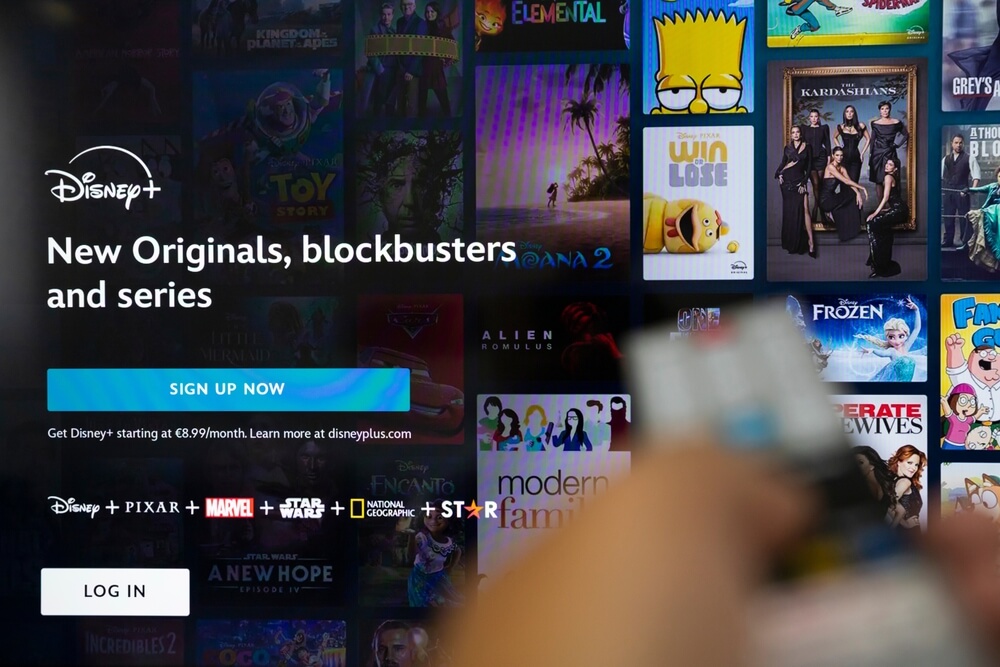 One of the world's most recognisable legacy companies has decided that technology deserves a direct seat at the top of the organisation
Technology shapes how customers discover products, how companies deliver services, how they understand their customers, and how they create new revenue streams. Disney's decision is therefore worth watching well beyond Hollywood.
From my point of view, the most interesting part of Disney's announcement is that one of the world's most recognisable legacy companies has decided that technology deserves a direct seat at the top of the organisation.
That will inevitably raise questions, spark debate, and probably stir some controversy.
Change inside a company with Disney's history will never be completely comfortable.
But I think that is part of the point. Legacy should give a company the confidence to evolve, not an excuse to stand still, creating companies that can protect what makes them valuable while remaining willing to change how they operate.
Disney has made its move. How many other legacy companies are now watching this appointment and wondering whether their own technology strategy is still fit for the future?
