I don't remember a year when I have written so many notes about robotics. Almost every week in 2026 seems to bring another announcement.
One week, it is a new humanoid robot demonstration. The next, it is a major funding round, a strategic partnership, or another breakthrough in embodied artificial intelligence. The pace of innovation continues to rise.
Remember the days when Silicon Valley, Shenzhen, and Tokyo led the discussions about technology disruption? Now, Europe is becoming one of the most fascinating humanoid robotics ecosystems in the world, combining human-centred innovation, advanced manufacturing, artificial intelligence, and engineering prowess.
It's incredible to see the variety of ideas that are sprouting throughout Europe. Companies are creating a variety of robots to solve different issues. They are creating technology to solve issues in healthcare, industrial productivity, labour shortages, and human-machine cooperation. One of Europe's greatest assets is its variety.
This week's announcement provides another compelling example of that momentum. Humanoid has become Europe's first pure-play humanoid robotics unicorn after raising $152 million at a $1.35 billion post-money valuation less than two years after its founding in 2024. Although those figures deserve attention, the bigger story is that Europe's humanoid robotics momentum continues. Let's dive in.
Europe's first humanoid robotics unicorn
Humanoid's achievement represents growing investor confidence in Europe's ability to compete in one of the world's most ambitious technology sectors.
Becoming Europe's first pure-play humanoid robotics unicorn establishes an important milestone for a continent that increasingly views robotics as both an economic opportunity and a strategic capability.
The goal of Humanoid is to create general-purpose humanoid robots that can help industries dealing with workforce shortages and growing operational complexity.
After seeing the company's quick ascent, investors have grown to see humanoid robotics as having the potential for more and more commercial opportunities.
There is a growing momentum across Europe's robotics ecosystem. The continent has moved beyond academic research and industrial automation. It is now actively changing the journey of embodied AI and human-machine collaboration. Humanoid robots represent one part of that story.
Companies like Mondo Robotics remind us that smaller organisations frequently contribute some of the industry's most creative ideas
Neura Robotics brings another. By creating robots that can comprehend their surroundings and work safely with humans, the German company maintains its position as a pioneer in cognitive robotics. Its goals go beyond automation.
Neura is dedicated to developing technologies that enable natural collaboration between intelligent machines and humans in commercial and industrial settings.
Oversonic Robotics in Italy, on the other hand, uses humanoid robotics in both industry and healthcare. Its humanoid platform, RoBee, is an example of Europe's increasing enthusiasm for developing technologies that help people instead of just taking their jobs.
Ageing populations and rising service demand continue to provide labour issues for healthcare systems throughout Europe. Robotics offers one potential solution among many that deserve serious consideration.
Mondo Robotics brings another perspective to Europe's robotics landscape through Beni, its humanoid robot designed to make intelligent interaction more accessible and practical across multiple environments.
Many have come across Beni on social media, and although a new startup (2025), I can see it gaining momentum and the potential it has in the consumer market. Companies like Mondo Robotics remind us that smaller organisations frequently contribute some of the industry's most creative ideas.
All four companies are pursuing different visions of the future; there are more, and together, they are building Europe's robotics ecosystem.
The hardest challenges are still on the table
Excitement around humanoid robotics should not distract us from the challenges that remain on the table. Building robots that can safely and effectively operate alongside humans remains extraordinarily difficult.
Human movement is deceptively easy until engineers try to reproduce it, battery performance continues to limit deployment capabilities, and dexterity is still a major engineering hurdle.
The largest obstacle is that walking, gripping items, adjusting to uncertain situations, and comprehending context all require major advances in both hardware and software.
Another important factor is safety. Before becoming widely used, humanoid robots need to gain the public's trust. When deploying intelligent robotic systems in public and workplace settings, companies are going to need transparent methods, strong safety standards, and well-defined regulatory frameworks.
Advances in embodied AI could improve environmental awareness and human-machine collaboration
Another major problem is affordability. The most advanced humanoid robots of today are still exceedingly costly to create and produce. They need to offer useful value that warrants investment across industries in order to be commercially successful.
We need to be realistic and should not expect humanoid robotics to follow the narrative often portrayed in science fiction. I don't expect humanoid robots to become commonplace in our homes by 2030.
Installations in the manufacturing, healthcare, logistics, hazardous environment, and service sectors should first be strictly regulated.
We could see companies focusing on repetitive processes or labour-intensive, physically taxing jobs where robotics could increase productivity while enhancing worker safety. Advances in embodied AI could improve environmental awareness and human-machine collaboration.
Manufacturing efficiencies could gradually reduce costs while expanding commercial opportunities. The robotics names we will remember in this new era will build the most useful ones.
The next era of humanoid robotics
Europe's robotics story in 2026 is remarkably different from previous technology cycles. The continent is actively contributing to shaping its future through investment, engineering talent, and ambitious entrepreneurship.
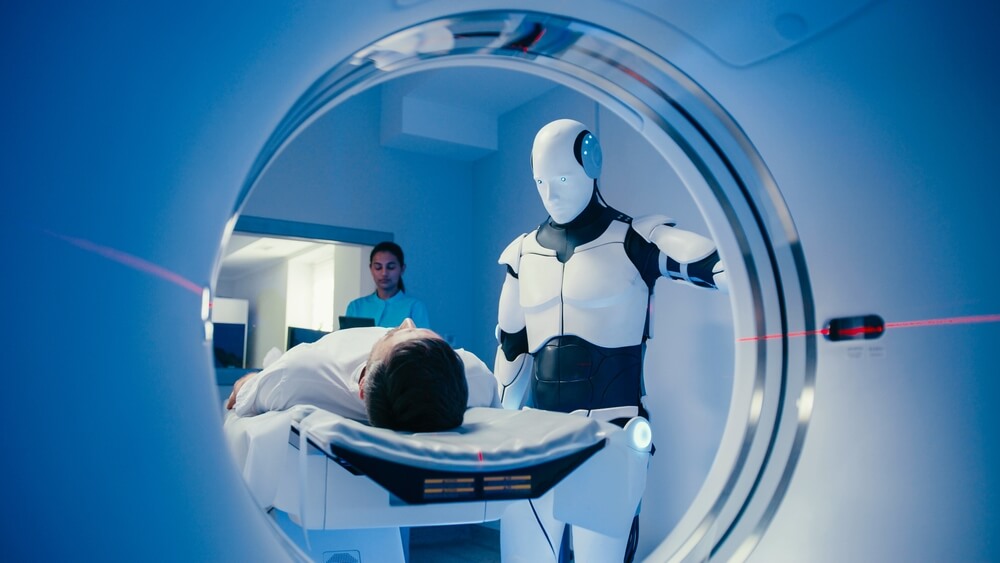 Europe is actively contributing to shaping its future through investment, engineering talent, and ambitious entrepreneurship
In summary, Oversonic Robotics studies how humanoid technology may be used to solve social issues in the near future, whereas Neura robots show the potential of cognitive robots.
According to Mondo Robotics, experimentation and diversity will always promote creativity. And Humanoid's unicorn status increases value because it displays market confidence.
Taken together, these companies represent Europe's growing confidence in its ability to lead where robotics and artificial intelligence converge.
The next era of humanoid robotics will emerge gradually through thousands of decisions made by engineers, researchers, policymakers, entrepreneurs, and innovators working across laboratories and manufacturing facilities throughout Europe.
There is no denying that Europe is in the global robotics conversation. In 2026, it has earned its place.
