In July, the province of Utrecht in the Netherlands is set to become the first major region in the EU with a comprehensive stop on new electrical connections – not just for industry, as has happened regularly around the bloc, but also for domestic use expansions and new homes.
The drastic measure, slated to have a marked social impact beyond the commercial effects seen elsewhere, is the European Union’s energy conundrum in a nutshell: the success of rapid electrification as people scramble to reduce energy costs and fossil fuel dependency, mixed with an infrastructure, investment and bureaucratic lag.
The electricity gridlock, also seen in the UK, is just one part of the complex challenge that Europe is facing during its ever more urgent transition away from fossil fuels.
Among the others are supply chain and critical materials dependencies, for example, on China for solar panels, batteries and rare earth elements. As well as shorter-term energy crunches, cost-of-living crises and affordability concerns that can undermine the political will to keep driving the transition.
From ‘drill baby drill’ to renewables
Yet, the ‘greenlash’ that saw right-wing parties embrace Donald Trump’s ‘drill baby drill’ philosophy and undermined the EU’s environmental and energy transition policies a few years ago is now being overtaken again by international events.
The war on Iran and the closure of the Strait of Hormuz as well as earlier shocks, such as Trump’s designs on Greenland, have brought home the absolute necessity for the bloc to wean itself off its energy dependence, be that from the Middle East, the US or elsewhere.
Last year, electricity generation in the EU for the first time relied more on wind and solar power than on fossil fuels
Combined with the green drive that the European Commission has been committed to for some time, this does in the first place mean more renewables as well as increased energy efficiency.
Although some fossil fuels will inevitably remain part of the mix in the coming decades, which is where particularly Norway is stepping up.
Last year, electricity generation in the EU for the first time relied more on wind and solar power than on fossil fuels. The lead was slim, but for the whole of 2025, wind and solar supplied some 30 per cent of the power, while fossil fuels accounted for 29 per cent.
When also including hydro power and bioenergy, renewables are edging close to supplying half the bloc’s electricity needs.
Industrial policy or security issue?
Unfortunately, power generation is only part of the picture – fossil fuels are still consumed in massive quantities in other applications, such as heating, heavy industry and transport.
While some of this is also in transition, such as using electricity in transport and residual warmth from power plants for city heating, that’s a much slower process.
In all, the EU currently remains 57 per cent dependent on imports for its total energy needs.
An insightful piece recently published by the European Policy Centre think tank in Brussels notes that this is a geopolitical issue, with Europe being squeezed mostly between a petro-dominant US and an electrification and green industries dominant China.
The European Commission is largely staying the course on its energy policies
It goes on to say that Europe still looks at this as a green and industrial policy issue, rather than having integrated energy into its security thinking.
Arguably, the fossil fuel dependencies extend beyond energy into all areas dependent on such imports, including plastics, pharmaceuticals and, crucially, fertilisers.
Despite some wobbles caused mostly by the cost-of-living crises and outcries from industry sectors, the European Commission is largely staying the course on its energy policies.
As noted, the public perception of the need for energy independence in the face of global instability is helping in this regard.
Actions speak louder than words
The picture from industry, depending on the sector, is more mixed, but as often, actions speak louder than words. Compliance with the bloc’s Emissions Trading System (ETS), for example, in which industry carbon allowances are capped and traded, is some 97 per cent.
In the decades that system has been in place, the feared impact on competitiveness has not materialised, according to most research. On the contrary, according to the Bruegel think tank in Brussels, it can be ‘an asset for EU competitiveness’.
Capping emissions, a green policy, has, in effect, in most cases hugely improved energy efficiency, lowered costs and raised profits.
Some sectors still oppose an extension of the scheme mooted for this year
Some sectors, such as maritime transport and aviation, still oppose an extension of the scheme mooted for this year, especially amid the fuel crunch caused by the Iran war.
Yet, the Commission has indicated it means to stay the course, albeit with possibly redirecting more income from the scheme back to industry for investment in efficiencies.
It is also sticking to implementing the Carbon Border Adjustment Mechanism (CBAM) that would impose duties on carbon intensive products, such as steel and cement, from trading partners that don’t have the EU’s strict rules, in order to level the playing field and prevent ‘carbon leakage’.
Europe’s balancing act
All of these mechanisms to reduce the consumption of fossil fuels and increase efficiency face opposition both from some industrial sectors as well as a range of foreign governments, particularly the US and China.
The current American position is very clear, it wishes to sell as much fuel as possible to the EU, as witnessed by its demand that Europe buy some $250 billion of US energy supplies, including LNG, between 2025 and 2028.
Europe produces only a tiny percentage of the raw materials needed for modern renewables or batteries
China is opposing EU efforts to grow its own green industrial and technology base, for example, by threatening steps against the ‘Made in Europe’ policy. It is also suspected of dumping wind turbines at below market prices, into which the EU has started an investigation.
One of the risks of the current transition is swapping a dependence on fossil fuels from the Middle East and the US for a dependence on Chinese made renewables and raw materials.
The latter is a particular concern, as Europe produces only a tiny percentage of the raw materials needed for modern renewables or batteries.
A more tangible transition
The EU is looking at ramping up the production of materials such as lithium and also rare earth elements but is also going for a more circular economy in which imports will be replaced by recycled and reprocessed products.
This would not only address some of the needs in the renewables sector but could also reduce fossil feedstock imports for things such as plastics.
 The possibility of a successful transition now seems more tangible than ever before, as well as more urgent in the geopolitical context
All of this is still some way off, though. And the interim will be marked by increased pressure from the outside to gain a decisive hold over Europe’s energy sector before it has had the chance to complete its transition.
Yet, the possibility of a successful transition now seems more tangible than ever before, as well as more urgent in the geopolitical context.
Some European and international policy makers warn against offering consumers relief from the higher energy costs caused by the Iran war, saying this might disincentivise them from saving on fuel or switching to greener alternatives.
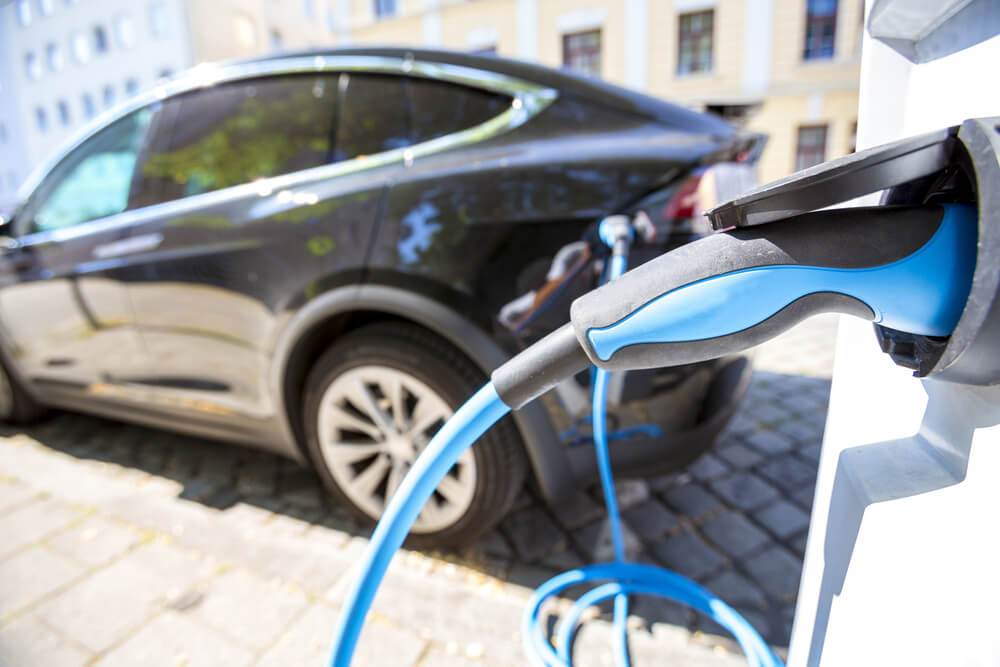
That seems a tad ironic, given that in the Netherlands, as in the UK and elsewhere, massive demand for heat pump and EV-charger installation is overwhelming a lagging electricity grid.
The public seems increasingly on board with the transition. What is needed now is a corporate and political realisation that this makes sense both from a business and a national security point of view.
