The parting gift of a vintage revolver from Turkish President Recep Tayyip Erdoğan given to NATO leaders last week is the sort of present that US President Donald Trump might choose.
The guns are a perfect analogy of what is fuelling the bromance between the Turkish and US leaders: a shared and transactional approach to power based on strongman tactics backed up by military might.
Erdoğan undoubtedly came out of the NATO summit in Ankara with success, having won positive words from Trump on the lifting of US sanctions on selling F-35 fighter jets to Turkey despite opposition in Congress and in the region.
Ankara was also rewarded with a deafening silence from European leaders who ignored growing repression and breaches of human rights in Turkey in favour of doing all they can to bolster their defence capability in the face of Washington’s global retreat.
But will success on the international stage be enough for Erdoğan to extend his grip on power held since 2003 as opinion polls show massive discontent with his economic failures and corruption ahead of elections due in 2028?
The silenced opposition at the NATO summit
Turkey marked the tenth anniversary on 15 July of a failed coup d’etat with a show of marches, concerts and TV specials with a marked Islamist and nationalist flavour. Over the last decade, Erdoğan has entrenched his rule with tens of thousands of people arrested and hundreds of thousands sacked from their jobs.
Trump last week heaped praise on the Turkish leader, making a contrast to his criticism thrown at European leaders for not supporting the US war against Iran or his ambitions to wrest Greenland from Denmark.
“It was valuable that Trump emphasised the importance he places on myself and our friendship,” said Erdoğan at the summit close.
İmamoğlu was arrested in March 2025, just weeks after he announced his candidacy for the 2028 presidential elections
Notably absent from the summit was the name Ekrem İmamoğlu, the former mayor of Istanbul and still the most potent opposition figure to Erdoğan despite languishing in prison just over 300 miles away from Ankara.
İmamoğlu was arrested in March 2025, just weeks after he announced his candidacy for the 2028 presidential elections. He faces charges ranging from leading a criminal organisation to aiding Kurdish terrorism, and he is expected to testify later this summer.
Supporters keep İmamoğlu’s plight alive via social media and AI-generated videos. He has authored articles for Western newspapers.
Raids were stepped up ahead of the NATO summit, with more than 200 people arrested in late June. “Erdoğan’s government has even forced NATO to deny accreditation to opposition journalists, making the venerable institution a collaborator in blatantly undemocratic conduct,” said Henri J. Barkey of the Council of Foreign Relations.
A new NATO in the making
There had been media speculation that Erdoğan’s son-in-law, Selçuk Bayraktar, might one day succeed Erdoğan. However, the Erdoğan family has decided to support the president’s son, Bilal, as “the preferred figure to lead the ruling party,” the Nordic Monitor investigative news site reported last week.
Meanwhile, the NATO summit provided another opportunity for Bayraktar, who is chairman of the Turkish drone manufacturer Baykar, to show off his wares as battle-tested in conflicts including Ukraine and the 2020 Nagorno-Karabakh war between Azerbaijan and Armenia.
Turkey is becoming indispensable to the US and Europe
In an ever-evolving multipolar world, Turkey’s strength in possessing the largest land army among European NATO members and a robust and growing defence industry means it is becoming indispensable to the US and Europe.
“In June 2004, NATO met in Istanbul to celebrate a democratising EU candidate. In July 2026, it returned to legitimise an electoral autocracy with real military weight,” wrote Hakkı Taş of the German Institute for Global and Area Studies.
He said, “Geography, production capacity and personal deal-making carry more weight than democratic credentials. It is a new NATO in the making.”
Navigating between powers
In conflicts and issues relating to Ukraine, Syria and Israel, Turkey is a key player and is increasingly important in other thorny issues such as Iran and Libya.
In Ukraine, Erdoğan has managed to navigate between maintaining ties with both Russian President Vladimir Putin and Ukrainian President Volodymyr Zelensky. Turkey hosts Russian tourists and oligarchs while also supporting Ukraine’s war with weapons.
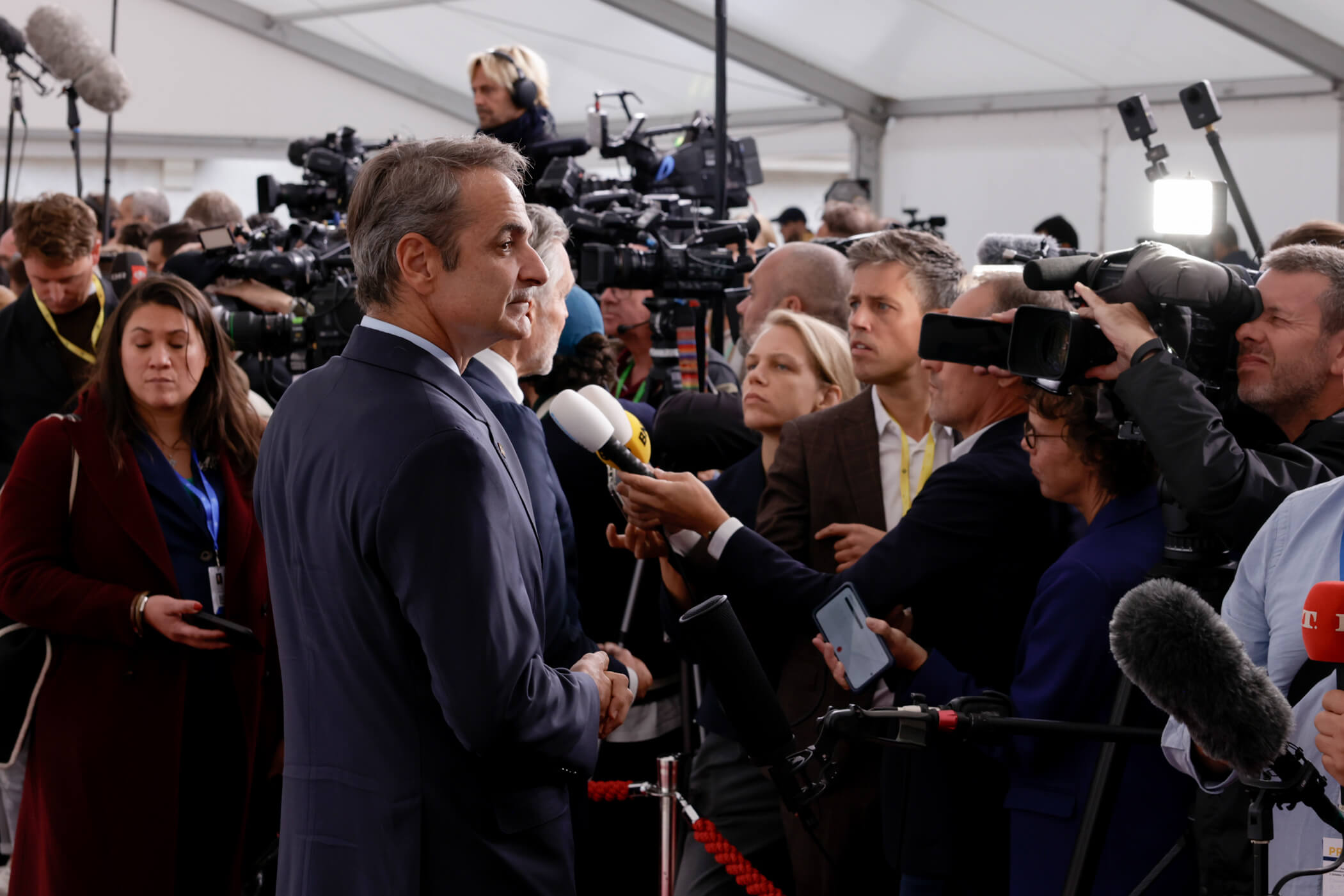 Referring to Israel’s Benjamin Netanyahu and Greece’s Kyriakos Mitsotakis, Erdoğan said their opposition “has no place in my world”
In Syria, Turkey helped Ahmed al-Sharaa pivot from jihadi to president, a path that forced Russia to quit the country after years spent supporting Bashar al-Assad, who was ousted and now lives in exile in Moscow. Trump also abandoned the Syrian Kurds – who had been a key partner in the fight against ISIS – in favour of al-Sharaa.
But not everyone is happy with Erdoğan’s growing clout, including Israel and Greece. Turkey has angered Israel with his criticism of the Gaza war, while Greece has long-standing grievances against Turkey, including those over ownership of Aegean islands and maritime rights.
Just before the NATO summit started on 7 July, reports appeared about joint military exercises, including the aerial refuelling of Greek F-16 fighter jets by Israeli tanker aircraft as Greece's air force does not operate an aerial refuelling fleet, Al-Monitor reported.
Israel, Greece and Cyprus are also considering the formation of a brigade-sized rapid response force of approximately 2,500 troops and F-35 fighter jets.
But it is hard to see how they might stop the rise of Erdoğan, who remains characteristically defiant. Referring to Israel’s Benjamin Netanyahu and Greece’s Kyriakos Mitsotakis, he said their opposition “has no place in my world.”
