2025 has been a year marked by struggles for many people around the world.
Economic uncertainties, political instabilities, and social unrest have plunged societies into deep anxiety, leading individuals to feel a sense of hopelessness regarding the future.
However, I believe that 2026 will bring a more hopeful period, and for different reasons.
As Fernando Pessoa expresses in his striking sentence in "The Book of Disquiet," “He was so indifferent that this kind of indifference can only be found in those who have suffered greatly.”
This indifference reflects the deep roots of inner unrest while also carrying a glimmer of hope for salvation.
The Meaning of Difficulties
After the emotional and psychological exhaustion reached its peak in 2025, it is inevitable that many people harbour a lost sense of hope.
Viktor Frankl’s assertion in "Man's Search for Meaning" that creating a reason to survive is reserved only for those in hardship holds profound significance during this process.
History is filled with the stories of those who search for meaning in the face of challenges
The efforts of individuals to find meaning in life despite enduring difficult circumstances have clearly manifested in forms of social resilience and solidarity throughout history.
History is filled with the stories of those who search for meaning in the face of challenges. The accounts of survivors from Nazi concentration camps or the fall of the Roman Empire highlight the impact of past hardships on people.
Similarly, characters in Turkish author Zülfü Livaneli’s novels struggle to find meaning and purpose while suffocating in similar indifference.
Improving the Social Structure
So who can rectify this decaying order and poverty? There are two notable approaches to these processes: strengthened democracy and "benevolent autocrats."
Strengthened democracy is built on respect for human rights, public participation, and accountability. Such a system lays the groundwork for achieving social justice.
Countries like Norway and Denmark have managed to offer better lives to their citizens by adopting social democratic structures.
On the other hand, the concept of "benevolent autocrats" is also debatable. While such leaders may demonstrate a capacity to keep society organised, the sustainability of their authority is questionable in the long term.
"The authority of a strong leader may be the most effective way to stabilise societies"
Strong leadership periods in Latin America, Asia, and Eastern Europe have often provided short-term solutions but have negatively impacted the evolution of democratic society.
These regimes tend to initially act fairly and then suppress the people's voice to remain in power, which ultimately increases social unrest.
It is important to remember that figures like Hitler and Mussolini came to power through elections. However, some historians argue that "the authority of a strong leader may be the most effective way to stabilise societies."
These discussions compel us to question which type of leadership should prevail.
Hope and Renewal in 2026
2026 has the potential to be a period that offers the opportunity to overcome difficulties and create new meanings. People may enter a search for a more meaningful and fulfilling life by learning from the pains of their past.
The indifference that Fernando Pessoa highlights emerges as a state of pain and unrest within every individual. However, believing that this unrest will make individuals stronger is one of the essential aspects of the human spirit, and I share this expectation.
The effort to create meaning amidst difficulties enables us to transcend mere survival and contributes to the renewal of social structures.
To create a conscious and determined society, merely clinging to democracy will be a critical step for the future of the community.
Humanity seems poised to continue making the same mistakes repeatedly
A democratic structure empowered by the freedom of individuals will not only ensure social change and transformation but also open pathways to create a stronger and fairer world.
Of course, this is a long road. Given the fate of those choosing the short path, humanity seems poised to continue making the same mistakes repeatedly.
The experiences of past difficulties and indifference hold great importance in terms of enabling individuals to question themselves and reflect on their current situations.
Throughout history, those who have survived under harsh conditions have shown strong resistance through their search for meaning.
Conversely, the indifference and ignorance of individuals drowning in comfort have laid the groundwork for social collapse.
The Role of Leaders in the Transition Process
Here, leaders have a significant role to play. As Mitch McConnell writes in his book, "The Long Game," leaders must know when to listen to the masses and when to lead.
The demands of the crowd do not always lead down the right path. It is possible to remain in power by fulfilling the economic demands of interest groups while simultaneously undermining social welfare.
I believe humanity is in an important transitional phase. It is crucial to ask the question: What types of governance should take precedence during this transition?
"Benevolent autocrats" tend to overlook the will of the people
Strengthened democracies invite people to become active participants and provide them the opportunity to voice their thoughts. For instance, Germany’s social democratic structure has made significant strides in creating a society that respects human rights and social justice.
However, the rise and strengthening of movements against free thought in the past decade have resulted in political and economic regression for Germany.
Although the idea of "benevolent autocrats" is seen as an effective governance model by some, these types of leaders tend to overlook the will of the people.
Looking at numerous examples from the 20th century reveals many “tragic endings” where leaders suppressed the voice of the populace and secured short-term gains but ultimately curtailed freedoms, leaving deep scars on society.
Future Prospects: A Call for Action
The year 2026 symbolises more than just a change in the calendar; it represents a pivotal moment for individuals to learn from past pains and pursue a more meaningful and satisfying life.
It is crucial for individuals to emerge from their silence, make their voices heard, and demand change within their societies.
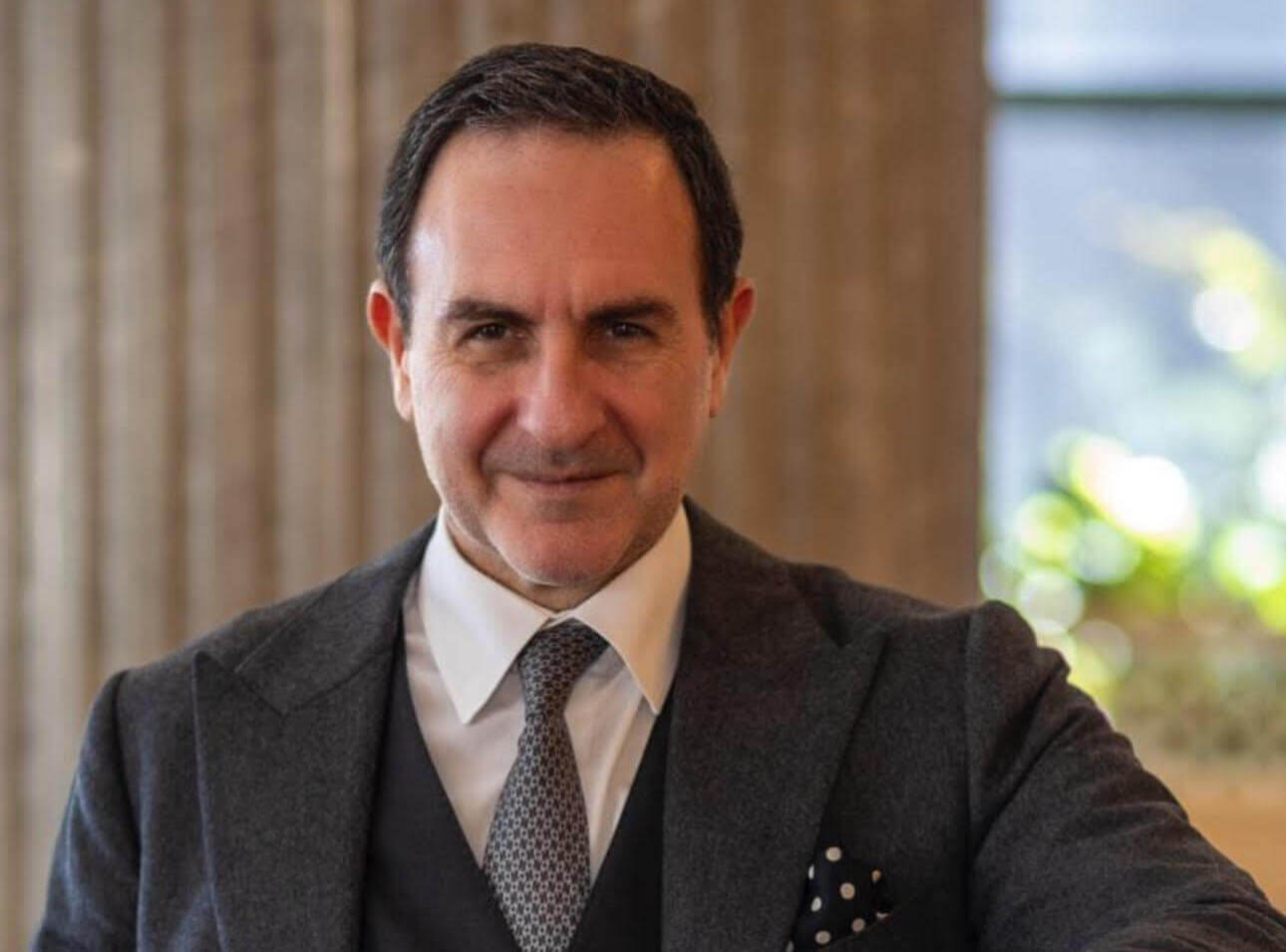 It’s time to reflect, rebuild, and pursue a future that recognises the value of each individual's rights and contributions - Emre Alkin
In conclusion, we must remember that overcoming challenges cannot be achieved solely through individual will. The importance of social solidarity and democratic values must continuously be emphasised in this journey.
Each individual bears responsibility for building a strong community during these times of uncertainty and indifference. We can only overcome the current distortions through a wave rising from the grassroots, as it is evident that top-down solutions will not suffice.
The future will be shaped by our imagination; thus, we must take action instead of hesitating and work towards creating a more robust social structure.
The hope for a less painful 2026 lies in our ability to enact change and cultivate a society that prioritises meaning and resilience over indifference and complacency.
In this light, 2026 needs to be embraced as an opportunity for renewal, as people rise from the haze of 2025’s challenges. It’s time to reflect, rebuild, and pursue a future that recognises the value of each individual's rights and contributions.
Only through collective effort and a commitment to democratic engagement can we aspire to a brighter, less turbulent future where the lessons learned from the past lead to meaningful growth and stability.
