When discussing the agreement between Iran and the United States, the first mistake markets tend to make is assuming that every ceasefire means peace.
In the Middle East, however, a ceasefire often does not signal the end of war; it usually means that the parties need time to breathe.
This time, the picture does not look very different. The common view in international analyses is that the easing between Washington and Tehran is less a permanent solution and more a temporary form of risk management.
The argument that the agreement may remain in place throughout the World Cup, only for tensions to resume afterward, should therefore be taken seriously.
Diplomacy does not always solve problems; sometimes it simply places them on a calendar.
There is another factor to consider here: Eid al-Adha. Across the Islamic world, Eid al-Adha is generally a period when social tension eases, political and military activity slows to some extent, and leaders tend to emphasise unity, calm, and solidarity.
Of course, in the Middle East, no religious calendar can fully eliminate the risk of conflict. Still, during Eid periods, public psychology, diplomatic language, and regional contacts may proceed in a softer tone.
For this reason, the World Cup and Eid al-Adha should be seen within the same temporary window of relief.
The short-term calm in markets may not be explained only by an understanding between Washington and Tehran, but also by a temporary decline in regional political tension.
Deferred risk is not eliminated risk
However, one must be careful. Eid calm and peace are not the same. A ceasefire during the World Cup, softer rhetoric during Eid al-Adha, lower oil prices, and stronger risk appetite in markets are all possible.
Yet all of these are signs of temporary relief. If the core disputes remain unresolved – especially Iran’s nuclear programme, the future of sanctions, the security of the Strait of Hormuz, and Israel’s regional security concerns – the crisis may resume once the calendar window closes.
During this temporary calm, markets first price relief. Oil prices may ease, energy-importing countries may enjoy some breathing room on current account and inflation pressures, and emerging market assets may attract short-term interest.
Sectors such as aviation, tourism, and logistics, which come under pressure during wartime, may recover.
During the World Cup, oil may remain below 100 dollars, equities may recover, and gold and defence stocks may pause
The World Cup itself may also support travel, accommodation, media, entertainment, and consumer spending. If energy prices remain calmer during the same period, a mood of “controlled optimism” may emerge in markets.
However, these opportunities should be viewed as tactical, not as permanent investment stories. If the ceasefire is based not on a lasting diplomatic solution but on temporary calendar alignment, markets will eventually recognise this.
During the World Cup, oil may remain below 100 dollars, equities may recover, and gold and defence stocks may pause.
However, as the tournament approaches its end, investors will need to reassess their positions. Deferred risk is not eliminated risk.
"Corridor of calm"
The main fragility may emerge from Israel. Even if a temporary understanding is reached between the United States and Iran, Israel may conclude that Iran is using this period to buy time.
In such a case, Israel may seek to disrupt the calm through limited operations. At first glance, such an action may appear local. Markets, however, do not interpret it that way.
Any Israeli military move carries the risk of escalation through the Strait of Hormuz, Lebanon, Syria, Iraq, Yemen, and Gulf energy infrastructure.
If Israel takes a step that disrupts this temporary calm, three consequences would appear quickly. Oil prices would rise again, safe-haven demand would increase, and expectations of interest rate cuts by central banks would weaken.
When the World Cup and Eid al-Adha are considered together, a short-term “corridor of calm” may emerge
Because when energy prices rise, inflation expectations deteriorate. In that case, the scope for the Federal Reserve, the European Central Bank, and other major central banks to ease policy would narrow.
In short, a single military move would not only damage the diplomatic process; it would also disrupt global monetary policy expectations.
To underline again: when the World Cup and Eid al-Adha are considered together, a short-term “corridor of calm” may emerge. This corridor may give markets some breathing space.
Energy prices may soften, emerging market assets may recover selectively, tourism and aviation stocks may benefit, and consumption may temporarily improve. For central banks, it may also create an opportunity to re-anchor inflation expectations.
However, the end of this corridor remains uncertain. It may lead to a peace table, or to a new wave of conflict.
The dangerous sound of silence
This is why investors and policymakers must interpret this period correctly. If temporary calm is mistaken for permanent normalisation, positions may become risky.
If, however, this period is treated as a window for preparation and rebalancing, meaningful opportunities may arise in the right sectors and with the right timing.
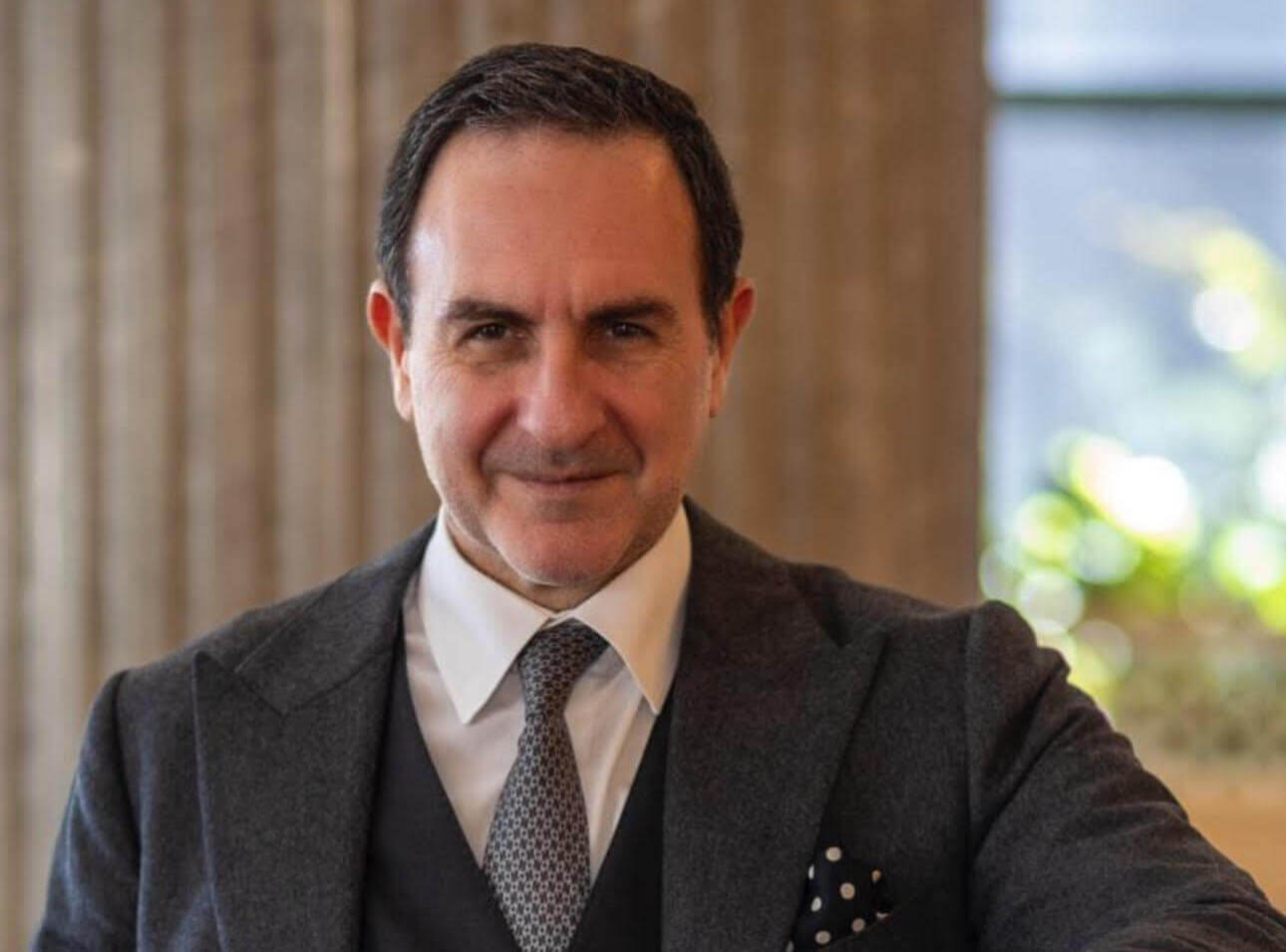 The US-Iran agreement looks more like a time-gaining story than a peace story - Emre Alkin
Lower oil prices create breathing room for energy-importing countries. Airlines benefit from lower route and fuel pressures. Tourism sentiment improves. Central banks gain time.
In conclusion, the US-Iran agreement looks more like a time-gaining story than a peace story.
The World Cup may become the global showcase of this time-gaining process, while Eid al-Adha may provide a regional ground for temporary calm.
But unless the core causes of the conflict are resolved, Hormuz security is ensured, Iran’s nuclear file becomes clearer, and Israel’s security concerns are managed, it would be too optimistic to interpret this ceasefire as lasting peace.
In economics and politics, silence is sometimes the most dangerous sound. If markets calm down during the World Cup, that calm should not be underestimated, but it should not be overvalued too much either.
Some ceasefires are not made for peace, but for preparing the next round.
