The greatest misconception in countries similar to Türkiye is this: whenever the economy deteriorates, everyone turns their eyes only to the economic administration, the Central Bank, interest rates, and the exchange rate.
Yet what we call the cost of living is not merely the result of monetary policy. The price on the supermarket shelf, school fees, bus fares, highway tolls, electricity bills, natural gas costs, rent, food prices, imported intermediate goods, the tax burden, producers’ financing costs, and even urban planning all come together and put pressure on citizens’ pockets.
That is why it is not possible to produce a lasting solution simply by raising interest rates and keeping the exchange rate low.
In the short run, this may calm the currency market, please foreign investors with high yields, and bring inflation down through base effects. But if this method is used on its own, its side effects grow after a while.
Credit becomes expensive, producers postpone investment, exporters lose competitiveness because of the exchange rate, firms turn to foreign-currency debt because it looks cheaper, and citizens see that the cost of living has fallen only in reports, while prices at the market, school, road, and utility bills have barely changed.
The real issue starts here: the economic administration cannot manage the economy alone. The economy is not only the field of the Treasury and the Finance Ministry and the Central Bank.
Unless agriculture, energy, transportation, trade, environment and urbanisation, national education, labour and social security, industry and technology, culture and tourism, local administrations, regulatory agencies, and public banks are aligned around the same goal, the cost of living will not fall permanently.
This requires strong conductorship. Because even if every musician plays their own instrument well, without a common rhythm, what comes out is not music but noise.
The conflict of uncoordinated public policies
This is precisely the problem in many countries today. The Central Bank adopts a tight stance to reduce inflation, but elsewhere VAT is increased.
The Trade Ministry imposes additional import duties to protect one sector, but that duty raises the intermediate-input costs of another producer. Energy prices are quickly passed on to citizens and industrialists so that the budget does not deteriorate, but this time food, transportation, and production costs rise.
Why did inflation not come down? – because other institutions were simultaneously taking decisions that pushed inflation upward
On the transportation side, tolls increase, logistics costs enter shelf prices. Education fees rise, and middle-class budgets come under pressure.
If urban policy fails to ease rent pressure, services inflation does not fall. Then everyone looks at the Central Bank and asks, “Why did inflation not come down?”
The answer is simple: because other institutions were simultaneously taking decisions that pushed inflation upward.
Identifying interconnected goals and tasks
That is why all ministries and public bodies related to the economy must be tied to one common objective. This objective should not simply be written as “reducing inflation” and left there. It must be clearly identified through which channels inflation emerges, which institution affects which channel, and which decision creates which side effects.
The first step is to identify interconnected goals and tasks. For example, reducing food inflation may look like an agricultural issue, but it is not only that.
The Agriculture Ministry must increase production. The Energy Ministry must monitor irrigation and electricity costs. The Transportation Ministry must reduce logistics costs. The Trade Ministry must oversee the wholesale chain and competition. Municipalities must organise marketing and distribution infrastructure. The Treasury must calculate the budgetary impact of subsidies.
If this chain is not managed together, food prices will not decline permanently. Of course, products that are wasted before they even reach the market must also be tracked.
The second step is to calculate in advance what kind of side effects and costs each target may create. Raising VAT provides short-term revenue for the budget, but it also raises prices and puts greater pressure on lower-income groups.
Additional import duties protect some producers, but they increase costs for other producers who rely on intermediate goods. Suppressing the exchange rate may limit import prices in the short run, but it weakens exporters and encourages firms to take on foreign-currency debt.
Fully subsidising energy prices eases the burden on citizens, but it damages the budget. Passing energy prices fully on to citizens and producers protects the budget but increases inflation and production costs.
In other words, every decision has a bill. Smart governance is not governance that discovers the bill after the decision has been made. It is governance that calculates the bill before taking the decision.
The third step is to analyse the social, financial, and political impacts of that cost. Because the economy is not managed only through tables. The budgetary contribution of a tax increase can be calculated, but the pressure it creates on low-income households must also be measured.
The impact of an energy price increase on public finances can be assessed, but its effect on industrial competitiveness, small businesses’ cash flow, and citizens’ bills must also be measured.
What matters is to state clearly which objective is the main priority at that moment and to align other institutions accordingly
One should not hide behind the fact that highway tolls do not directly enter the official inflation basket; their impact on logistics costs and food prices must still be taken into account.
The fourth step is to set priorities correctly. Not every objective can be given the same weight at the same time.
Sometimes reducing inflation becomes the main priority. Sometimes budget discipline comes forward because of earthquake-related spending.
Sometimes keeping industry alive becomes more urgent because of an energy shock. Sometimes food prices become the most immediate issue for social stability.
What matters is to state clearly which objective is the main priority at that moment and to align other institutions accordingly.
The fifth step is to assign the right units to the right tasks. Each ministry should not announce separate targets in its own field; it should take responsibility for its share of the common economic objective.
The Agriculture Ministry should monitor “food supply and producer costs.” For example, the Transportation Ministry should track “logistics costs and the effect of tolls on prices.” The Energy Ministry should manage “the transmission of energy costs to producers and households.”
The Trade Ministry should take responsibility for “competition, import duties, intermediate-input costs, and supply chains.” The National Education Ministry should recognize “the effect of education costs on household budgets.”
The Labour and Social Security Ministry should monitor “the tax and deduction burden on low-wage earners, informality, and employment quality.” The Environment and Urbanisation Ministry should become a direct part of the economic programme through “rents, housing supply, zoning, and urban costs.”
The economy cannot be managed with a single button
This coordination should not remain on paper. A regular situation assessment meeting should be held at least twice a month.
But this should not be a conventional presentation meeting. Each unit should put on the table its target, actual outcome, deviation, and the reason for that deviation.
Are food prices above target? Why? Did energy costs disrupt producer prices? Which sector was affected more? Are education fees squeezing household budgets? Is rent growth feeding services inflation? Which sectors’ costs increased because of additional import duties? How much did the VAT increase worsen inflation expectations? These questions must be asked regularly and honestly every month.
When targets are missed, the feedback mechanism must operate. In other words, the response should not be, “The target was missed, let’s look again next month.”
If food prices are not falling, the reason must be found. Is production insufficient? Is logistics too expensive? Is storage inadequate? Is the intermediation chain too long? Is export policy pushing prices upward? Are import duties raising costs?
Wherever the problem is, the relevant institution must intervene there. If the deviation from the inflation target comes from transportation, the Central Bank should not be the only institution making a statement; the Transportation Ministry should also explain what it will do. If the reason is energy, the Energy Ministry must step in. If the reason is rent, urban policy must be questioned.
There must be continuous impact analysis comparing the objectives discussed at the beginning with the outcomes actually achieved.
For example, the question “How much did the VAT increase raise budget revenues, how much did it contribute to inflation, and how did it affect consumption behaviour?” must be answered.
This is the lesson countries similar to Türkiye should draw: the economy cannot be managed with a single button
The question “How much did the additional import duty protect the relevant sector, and how much did it increase costs for other sectors?” must be answered.
One must examine, “How much did the energy subsidy strain the budget, and how much did it reduce costs for citizens and producers?” The question “How much did the low-exchange-rate, high-interest-rate balance increase reserves, and how did it affect exporters and the real sector’s foreign-currency debt?” must be openly discussed.
Without these steps, the economic administration merely tries to put out a fire from another room.
Interest rates are raised, but other decisions increase costs at the same time. The exchange rate is suppressed, but imports become cheaper and producers lose competitiveness. Taxes are increased, but inflation expectations deteriorate. Energy prices are raised, but production costs rise.
In the end, the Central Bank is forced to offer even higher interest rates. In other words, lack of coordination returns to the economy as an extra interest-rate cost.
This is the lesson countries similar to Türkiye should draw: the economy cannot be managed with a single button.
Interest rates are an important tool, but they do not solve every problem. The exchange rate matters, but it does not create competitiveness on its own.
Budget discipline is necessary, but if it is achieved through the wrong taxes, it increases the cost of living. Energy support is needed, but if it is not targeted, it damages the budget. Sectoral protection may be necessary, but if it is not designed intelligently, it raises production costs.
Moving in harmony towards the same objective
What is truly needed is a strong coordination centre. This centre should have political authority above ministries, but it must operate with technical reasoning.
It should determine targets, calculate side effects, assign institutions, monitor outcomes every month, demand correction when deviations occur, and constantly measure the impact of decisions on citizens, producers, the budget, inflation, and the external balance.
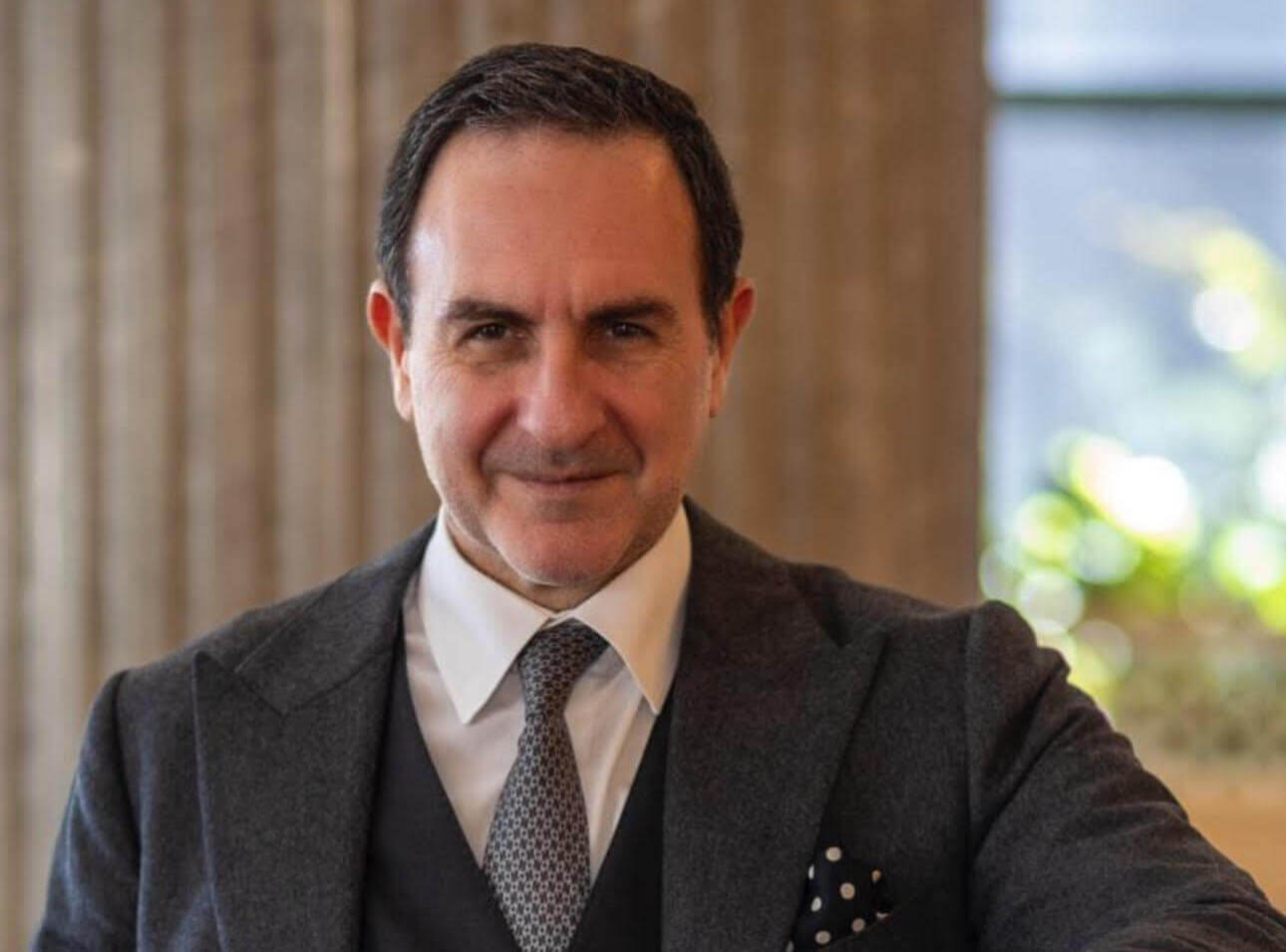 A good economic programme is the disciplined alignment of the entire public administration around the same objective - Emre Alkin
Without this conductorship, everyone plays their own tune. Agriculture goes one way, energy another, trade another, transportation another, finance another, education another. Then the noise that emerges is called an “economic programme.”
Coordination cannot be achieved by meeting once a month and writing a report every three months. Coordination must be continuous and stable.
In short, a good economic programme is not merely a Central Bank decision text. A good economic programme is the disciplined alignment of the entire public administration around the same objective.
If food prices are to fall, agriculture, logistics, energy, and trade must work together. If rent inflation is to fall, urban planning, finance, taxation, and local governments must work together. If education costs are to decline, national education, finance, and local administrations must work together. If energy costs are to be managed, energy, industry, transportation, and budget policy must work together.
Citizens experience inflation at the supermarket shelf, in the electricity bill, in school fees, in rent, in bus fares, in highway tolls, and at the kitchen table. Therefore, the fight against the cost of living must begin where citizens actually feel it.
One can go only so far by raising interest rates and keeping the exchange rate low. Beyond that point, reason, discipline, institutional coordination, and continuous impact analysis are required.
Real success in economics does not come from the heroism of one institution, but from all institutions moving in harmony towards the same objective.
If the orchestra is well conducted, music emerges. If it is not, every instrument makes a different sound. Most importantly, no one wants to listen to an orchestra they do not trust to play good music anymore.
