The abrupt slump in silver prices on Friday, 30th January, shows the risk of crowded trades, especially those using high leverage.
Silver is likely to continue showing strength due to its reserve of value and fundamental qualities, but in recent weeks we have witnessed a parabolic move, magnified by thin market depth, forced liquidations, and sudden algorithmic selling. Meanwhile, gold and copper only corrected from all-time highs.
The main trigger was a bounce in the US dollar. Markets had built another crowded trade in short dollar positions, expecting a steady decline in the greenback.
However, the messages of US Secretary of the Treasury Scott Bessent denying an intervention on the Japanese yen, tighter financial conditions, lower concerns about the Fed’s independence and a more benign macro narrative made the US dollar bounce and create a large unwind of long silver-short dollar bets as well as other trades that included negative bets on the US dollar in a single session.
Spot silver broke the psychological support of 100 USD/oz after rising exponentially in the first weeks of the year to 115–120 USD/oz earlier in the week.
The end-of-month slump was the worst day for silver in decades. Gold dropped as well, but significantly less than silver.
It was not just gold and silver. Copper, a clear favourite investment for traders betting on the energy transition, AI investment, and China‑reopening themes, corrected sharply, leading to a generalised profit-taking in the metals complex.
A DXY bounce and forced selling
Behind it all was a dollar index (DXY) bounce, reversing part of its recent slide, which reinforced the headwind for all dollar‑priced commodities.
Billions of dollars had been poured into negative bets against the US dollar due to news coming from Davos showing animosity towards US assets and geopolitical uncertainty.
Net speculative bearish dollar bets increased by roughly 4–5 billion dollars over January 2026. According to CFTC data, non‑commercial investors moved from a net short of about 3.8 thousand contracts at the start of January to around almost double that, 6.4 thousand contracts net short by 20 January.
Silver had massively outperformed gold in the past months, with prices more than tripling year‑on‑year and surging over 30% just in the last month, which created a significant “fear of missing out” (FOMO) mentality among traders, and many bought into the strength, financing the trades with highly leveraged short US dollar positions.
Compared with gold, the silver market is smaller and less liquid, so a US dollar bounce created the need to sell long bets from many investors at the same time, leading to an increased price gap from one trade to the next.
Once margin calls were triggered, fire alarms were set, and forced selling at almost any price became the norm
Forced sellers with significant margin call costs had to accept significantly lower prices than they expected. However, many of them simply had to close the trades, and the move was exacerbated by fewer buyers at almost all-time high levels and the end-of-month liquidity challenges.
Silver became overbought, and once the price slipped below the key support levels near 115–120 and then 100 USD/oz, margin calls and risk‑limit triggers accelerated the forced selling.
Too many investors thought the US dollar had no chance of bouncing and placed leveraged bets with very little equity, expecting an easy trade as silver soared and the dollar declined.
Once margin calls were triggered, fire alarms were set, and forced selling at almost any price became the norm while new buyers were hesitant to find the opportunity.
The fact that all this happened on a Friday and at the end of the month made the moves more aggressive, as buyers were limited by price and calendar.
As the price fell faster than anticipated, brokers and clearing houses demanded more collateral for highly leveraged bets, turning a normal correction into a massive wave of stop‑losses and systematic selling.
The favourite high‑beta play
The market consensus crowded theme in January was the “debasement trade”: investors saw a weakening dollar as a key theme that would continue throughout the year.
Selling dollar assets to purchase hard assets like gold, silver, and even copper became the norm, as investors bet on de-dollarization instead of the more evident de-fiatization process I have mentioned. Silver became the favourite high‑beta play in that thesis.
Only a small bounce of the US dollar triggered a massive sell-off in crowded bets in silver and hard assets. This bounce came once the nomination of the new Fed chairman proved to be better than feared, the US rejected a yen bailout and there was evidence of better macro figures in the United States.
The silver slump was clearly a much-needed clean-up of highly leveraged short-term bets
Gold and copper’s correction was logical after an impressive January rally. The silver slump was clearly a much-needed clean-up of highly leveraged short-term bets.
This will not change the fundamental thesis for long‑term holders of metals. Furthermore, central banks globally will welcome a correction to purchase more gold.
The fundamentals for silver (AI, energy transition, and industrial demand) and gold (central bank demand, substitution for sovereign bonds) remain.
In the case of copper, the decline followed a very aggressive move based on optimistic expectations of AI‑related demand and grid and EV spending, but those long-term themes remain, and physical buying pressure remains robust.
Careful with the crowded anti-dollar trade
The most relevant catalyst for the sell-off came from the US dollar's bounce in political and monetary news.
Markets reacted positively to President Trump’s decision to nominate former Fed governor Kevin Warsh as the next Federal Reserve chair, a move seen as hawkish on inflation and less political than other alternatives.
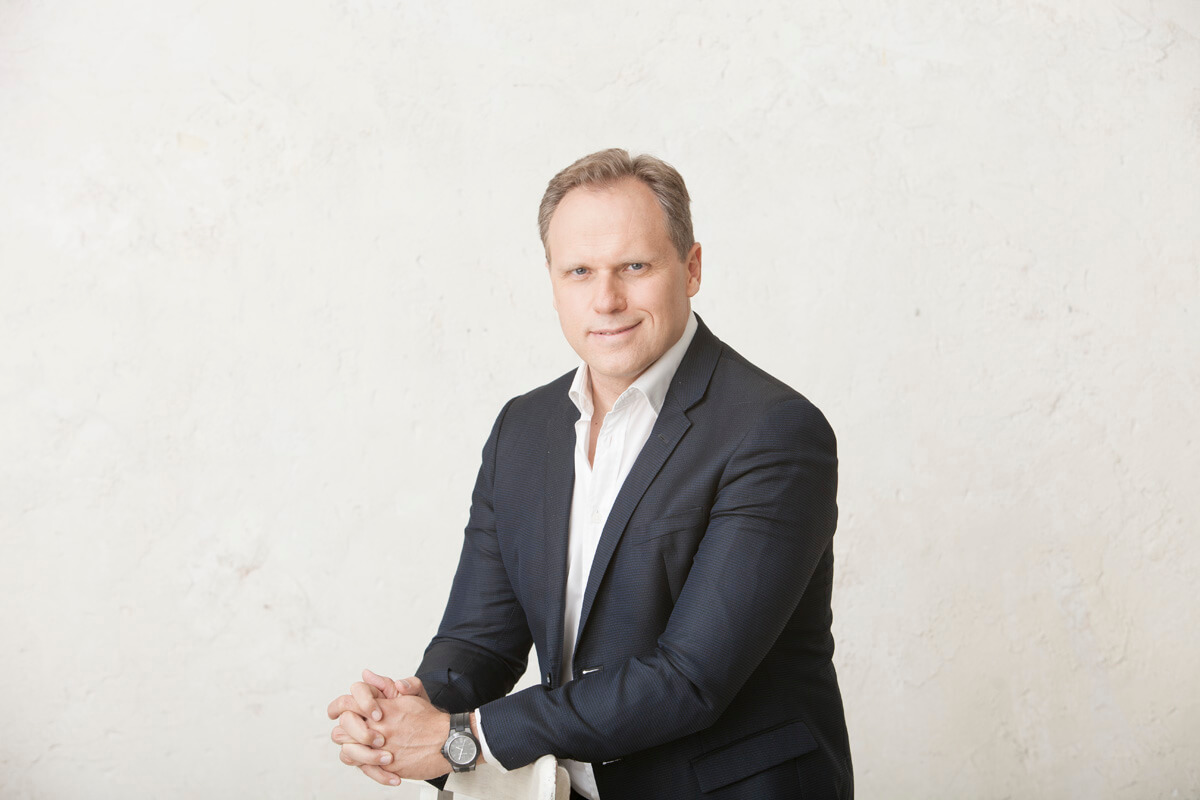 As investors recover fundamental long-term views and abandon trading on political headlines, things will return to normal - Daniel Lacalle
This nomination, combined with the Fed’s decision to hold rates around 3.5–3.75% and mention of improved economic conditions, reduced expectations of aggressive future easing.
Additionally, news that the US dollar would not bail out the yen eliminated a significant part of the “end of the dollar” thesis that had marked the consensus narrative for weeks.
As the dollar index bounced back to its stable level (between 97 and 99), it generated an automatic decline on debasement-trade favourites as well as driving a risk‑off move into short‑term US assets.
For most of January, the consensus trade was to short the dollar and buy hard assets based on a political thesis of fears of inflation, the end of US fiscal dominance, and geopolitical tensions exacerbated by biased messages against the US in Davos.
In one session, the combination of a bullish Fed outlook, the Warsh nomination, and, with it, a dollar rebound triggered what is called an “air pocket” in the most aggressive parts of the consensus crowded trade, with silver suffering the most because of its high leverage and limited liquidity.
The fundamental theses on silver, gold, and copper have not changed. The long-term bullish story is intact. The problem all along came from a biased and politically motivated non-fundamental thesis against the US dollar.
As investors recover fundamental long-term views and abandon trading on political headlines, things will return to normal.
