This week, I wanted to share an analysis that will prompt those lamenting, "Will there be tyranny in the 21st century?" to reevaluate cause-and-effect relationships.
Russia has transitioned through various stages of the monarchy cycle throughout its historical process, arriving at the present day.
In this cycle, governance forms such as monarchy, tyranny, democracy, oligarchy, and ochlocracy have interacted with one another.
Each system has had different impacts on economic activities, shaping societal structure and the living conditions of the people.
From monarchy to tyranny
During the era of the Russian Tsardom, the monarchy was centrally governed under the authority of a single leader. The Tsar held a significant position in the eyes of the public as both a political and symbolic figure.
However, the burdens of wars such as those in the Caucasus, the Ottoman Empire, and the French front increasingly weakened the Russian Tsardom.
This situation intensified public pressure on the monarch, and combined with economic issues, led to the questioning of authority.
In fact, the weakening of the monarchy also heralded the beginning of the period of tyranny. Tsar Nicholas II and the subsequent tyrannical regime suppressed the public by ignoring basic rights demands from the people.
During the Lenin and Stalin eras, the form of government transformed into a kind of oligarchy
Tragic events like the Battleship Potemkin incident, where fire was opened on the populace, became a distinct indicator of societal discontent. Tyranny, mainly governed by fear and bullying, weakened economic stability and halted public investments.
Uprisings against tyranny led to an increasing quest for democracy among the people. However, when the democratic processes in Russia did not operate transparently, the will of the people began to be represented by a specific elite group.
During the Lenin and Stalin eras, the form of government transformed into a kind of oligarchy. Under the dominance of the Politburo, it was not the wealthy elites but rather the ideologically aligned group, the Politburo, which controlled the economy. This structure created a long-term situation that economically weakened the Soviet Union.
The complexities of Russian power
The weakening of oligarchy became possible with the emergence of public demands. As described in Gogol’s "The Overcoat", a renewed awakening among the people and the rise of populist leaders were observed.
However, with the dissolution of the Soviet Union, a new economic uncertainty emerged, resulting in the establishment of many new states.
Finally, the ochlocracy period led to the rise of a governance form where the will of the people was completely disregarded by mafia and organised crime groups.
Putin's rise to power has presented him as a "leader against the mafia" to ensure public safety within this complex structure.
His effective control over security forces and intelligence agencies has enabled Putin to establish a strong authority; however, his suppression of opposition has brought him closer to the level of tyranny.
Putin suggests that the Russian economy is strong and emphasises the resilience of his country even when threatened by external forces
Indeed, Putin's bold statements like "The Russian government has the determination to do what is necessary for the safety and prosperity of the people" have become a tool for justifying his authoritarian rule.
He suggests that the Russian economy is strong and emphasises the resilience of his country even when threatened by external forces.
His words, "The Russian economy is strong, and this strength is just the beginning to protect our national interests," reflect a dedication and confidence in domestic politics while asserting a strong stance in the international arena.
However, this image often ignores the true living conditions of the people and the challenges stemming from external economic threats, masking Russia's poorly managed resources and declining living standards.
Putin’s strategies and the strain on society
During Putin's tenure, the revenues from the natural gas and oil sectors have been used to strengthen his power base.
However, aggressive foreign policy and methods to silence dissent ultimately led to divisions and discontent among the public.
Polls show that Putin's popularity is rapidly declining, but due to the weakness of the opposition, finding alternative leadership options remains challenging.
This situation not only creates indecision among certain segments of society but also increases pressure on the government.
Issues such as corruption, income inequality, and declining living standards create dissatisfaction among the public
Among the strategies Putin employs to consolidate his power is an approach that combines neoliberal policies with state control. For example, dramatically strengthening relations with neighbouring countries such as Turkey reflects both a desire to create new economic markets and to establish a strong ally internationally.
However, Russia's active and aggressive stance in foreign policy adds tension to its relations with the West and creates negative impacts on economic stability.
Despite the severe measures and societal pressure employed by Putin affecting the structure of Russian society and suppressing pluralism, there is an underlying unrest among the populace.
Issues such as corruption, income inequality, and declining living standards create dissatisfaction among the public. As a result, the opposition that emerges, although weaker than in previous periods, is compelled to address a populace that does not question the existing situation.
A future of chaos and uncertainty
In conclusion, the cycle of monarchy in Russia illustrates how forms of governance have evolved throughout history and how economic activities have been influenced by this process.
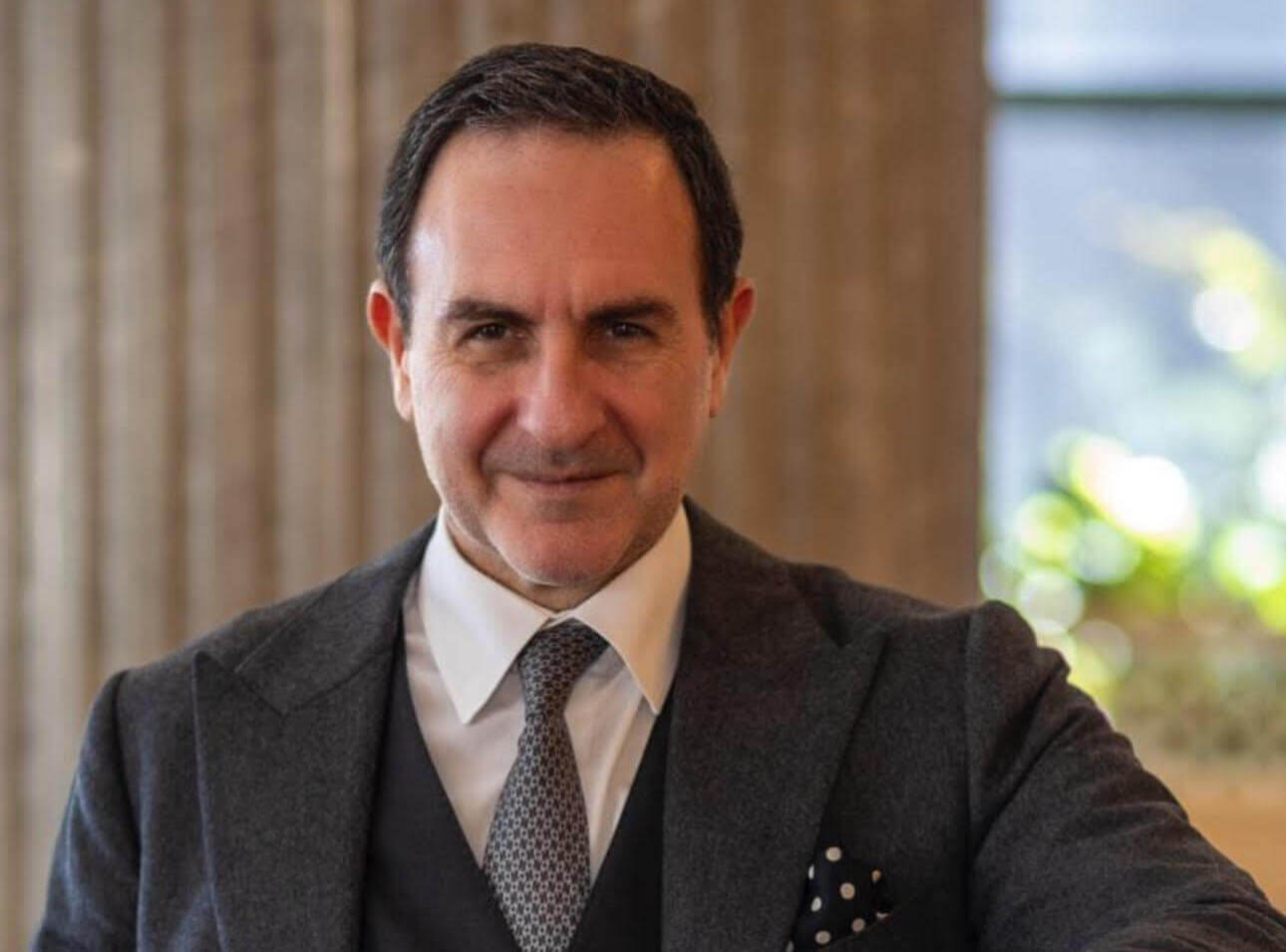 Russia is moving forward in light of past experiences, harbouring a future filled with chaos and uncertainties created by this transformation throughout history - Emre Alkin
This complex structure continues from monarchy to tyranny, democracy, oligarchy, and ochlocracy, causing significant changes in Russia’s governance and deeply affecting the country's economic and social structure.
Putin's strong leadership rhetoric and statements like "The Russian economy is very strong" attempt to create an image of a trust symbol among the people, yet these claims often remain superficial.
Today, Russia is moving forward in light of past experiences, harbouring a future filled with chaos and uncertainties created by this transformation throughout history.
Economic stability and social welfare remain unclear, depending on how effectively the needs of society will be met.
This intricate governance system underscores many profound issues for both Russia and the world.
