Germany’s government is making the same mistakes that France committed years ago. The idea that more government spending and borrowing will reverse the stagnation created by imposing excessive regulation, high taxes and implementing the incorrect immigration and energy policies.
Germany’s budget pushes government debt towards €3 trillion without fixing the country’s real problems, created by crippling taxes, destructive regulation and the energy policy that obliterated the nation’s competitiveness.
Germany’s stagnation does not come from an alleged lack of government spending. The government is doubling down on the interventionist mistakes that already destroyed countries like France and Germany’s growth engine instead of unleashing private investment and competitiveness.
A stagnating former powerhouse
Germany has endured two consecutive years of GDP contraction and is now stuck in what analysts describe as its longest period of stagnation in seven decades, with growth around zero in 2025 and only a modest rebound of about 1.2% expected for 2026, which may be too optimistic.
Furthermore, if the recovery in output comes from massive government spending, it will be the equivalent of empty calories; Germany will go back to stagnation again soon afterward but with high debt.
Output in the second quarter of 2025 fell 0.3% quarter-on-quarter as fixed investment dropped 1.4%, showing how weak gross capital formation has become.
A classic case of self-inflicted stagnation created by politics
In fact, Germany’s private sector is in deep recession, and GDP is only disguised by rising unproductive government spending.
Private demand and productive investment are not recovering because policy continues to penalise capital, energy-intensive industry and business growth through taxes, excessive regulation and rising energy costs.
This is a classic case of self-inflicted stagnation created by politics, and it is not a cyclical downturn that can be lifted with more deficit spending.
Investment surge, private weakness
The 2026 federal budget brings the total federal investment figure, including special funds, to €126.7 billion, or 10% more than in 2025 after a 55% increase from 2024, something that supporters present as positive.
However, recent GDP data show that, even with this alleged “investment push”, overall fixed capital formation is falling, and private equipment and construction investment are being crowded out by regulatory burdens, bureaucracy, interventionist policies and rising taxes.
Furthermore, the enormous debt burden that the government has announced will inevitably lead to higher taxes and, therefore, lower productive investment.
Germany does not suffer from a lack of government investment, and the government does not have better or more information about what the economy demands.
Government policies destroyed the industry, agriculture and farming, and those will not come back with more borrowing
Government overspending cannot replace the thousands of decentralised decisions of private firms, especially in an economy where industrial competitiveness has been eroded by political decisions.
When politicians direct capital through special funds, off-budget vehicles and subsidies, misallocation of capital becomes the norm, malinvestment becomes a huge risk and they direct billions of resources into low-productivity projects while discouraging market-driven investment and high-productivity innovation.
We must remember that the German government still has damaging regulations and wrongly called “environmental” policies that have demolished a once thriving industrial sector.
Government policies destroyed the industry, agriculture and farming, and those will not come back with more borrowing.
The placebo effect of debt-financed spending
Keynesian analysts have a science-fiction assumption of government spending multipliers, and we must remember that the last three large stimulus packages backfired with negative multiplier effects.
The Growth and Jobs Plan, the Juncker Plan and the Next Generation EU programmes were supposed to be engines for competitiveness, innovation and growth, and they have only delivered stagnation and overcapacity.
Additionally, as all the taxation and regulation burdens persist, the expectations of a return of high-productivity jobs and investment coming from higher defence and infrastructure spending are probably too optimistic.
Germany will not be an industrial and innovation powerhouse again if it maintains an energy policy that makes industry uncompetitive
I mentioned the problem of overcapacity, and the risk of doubling down in sectors that have significant working capital and excess capacity problems is simply enormous.
Once the placebo effect of the debt-financed spending plans fades away, the reality of the political disincentives to investment and innovation becomes clear again.
It is very simple: Germany will not be an industrial and innovation powerhouse again if it maintains an energy policy that makes industry uncompetitive, the ridiculous burden of the CO₂ tax, the misguided regulations that have destroyed the automotive industry and the tax and regulatory burden problems that have stifled innovation and technology development.
Furthermore, as the negative effect of illegal immigration is now evident on productivity, social unrest and real wages, no changes to an already damaging set of policies will only worsen an already strained economy.
A self-inflicted loss of competitiveness
Germany’s status as an export powerhouse has been obliterated, with exports of goods falling in 2023 and 2024 and net exports subtracting from growth while imports rise.
Manufacturing, nearly a fifth of German GDP, has been obliterated by the most ridiculous regulatory burdens, and industrial output in energy-intensive sectors is 12% below pre-Ukraine war levels.
Blaming Germany’s problems on weak international demand is simply delusional. It assumes that demand will come back miraculously at some point and that competitiveness will return, increasing tax and regulatory costs.
The German economy will not recover while the interventionist activists design its industrial and energy policy
Germany suffers from a self-inflicted loss of competitiveness, and it can only be solved by eliminating the 2030 Agenda and Green Pact interventionism that have no positive environmental impact but demolish the industry and primary sector and slashing bureaucratic and taxation burdens.
A combination of excessive regulation, wrongly called environmental mandates such as combustion-engine bans, and punitive energy and CO₂ costs has undermined Germany’s technological and cost advantage, damaging its export base even as global demand remains solid.
The German economy will not recover while the interventionist activists design its industrial and energy policy.
A constant erosion of economic freedom
The Bundestag has now approved a 2026 budget with total federal expenditure of about €524.5 billion and net new borrowing in the core budget of roughly €98 billion.
When defence and infrastructure special funds are included, new debt for 2026 jumps to almost €182 billion, the second-highest annual borrowing in Germany’s post-war history after the pandemic peak.
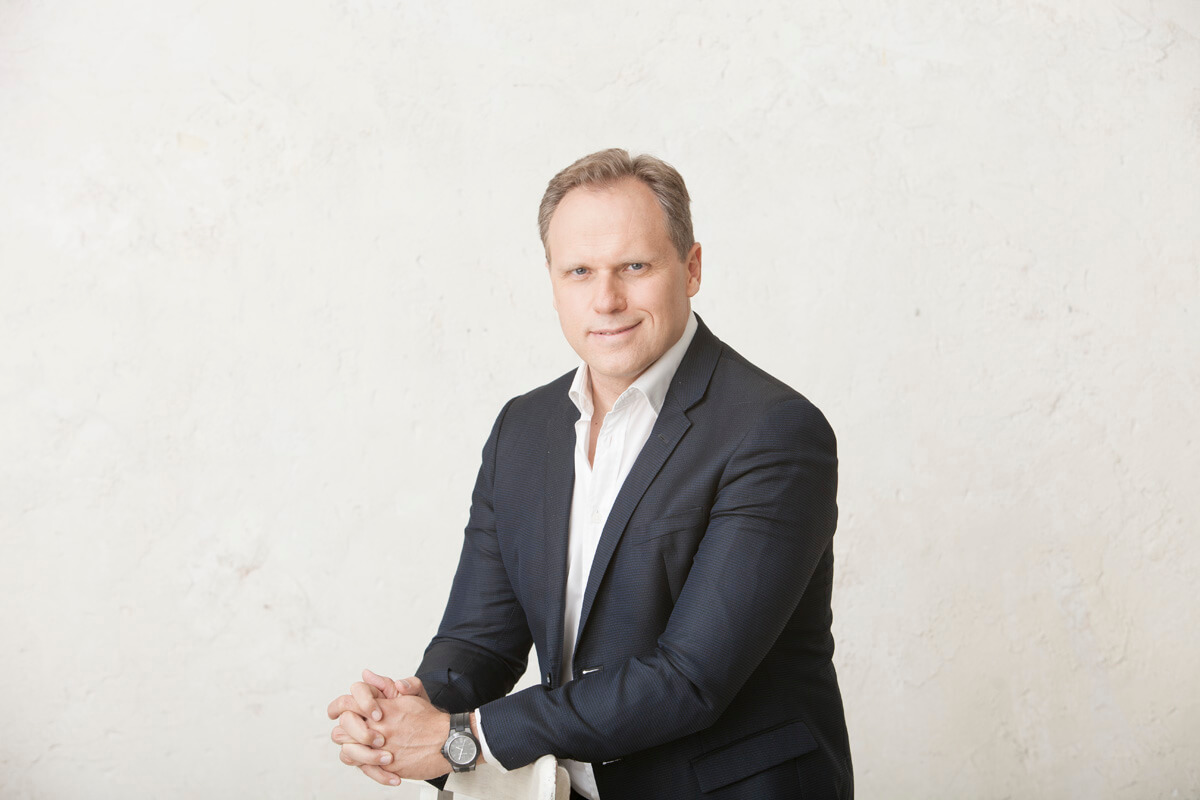 The German government believes the illusion that more state spending and debt can fix the damage caused by previous state interventionism - Daniel Lacalle
This comes on top of already elevated borrowing in 2024 and 2025, with plans showing new borrowing of around €143 billion in 2024 and €182 billion in 2025 as the government leans on exemptions to the constitutional debt limits. Interest expenses are expected to double by the end of the decade. This is the recipe for secular stagnation.
The German government believes the illusion that more state spending and debt can fix the damage caused by previous state interventionism.
The conservative and socialist coalition that has ruled Germany for years maintains confiscatory taxes and a destructive and ideologised regulatory environment, has dismantled competitive energy sources and keeps all the bureaucratic overregulation of activists’ agendas.
Germany’s problem is not a lack of public spending but a constant erosion of economic freedom and support for the productive private sector.
If Germany does not reverse its inflationist policies, overregulation and politically driven energy and climate schemes, more borrowing will only leave the same debt mountain that has destroyed France, weaker productivity and a further loss of industrial and export leadership.
Germany’s debt binge is not a one-off countercyclical stimulus but a bet on chronic high spending into its fiscal framework. Germany is a great country with excellent entrepreneurs and businesses.
The solution is simple and very difficult at the same time: get rid of the regulatory, tax and ideologically motivated limitations, and the economy will thrive. The government is not the solution; it is the problem.
