The White House announced that President Donald Trump had signed an executive order withdrawing the United States' participation and funding from 66 international organisations and bodies.
Of these, 31 are associated with the United Nations, including the United Nations Population Fund (UNFPA) and the United Nations Framework Convention on Climate Change (UNFCCC).
This decision takes immediate effect for most bodies, while for some, the previously announced deadline applies.
Withdrawal from UNFPA means an end to funding for the agency, which addresses reproductive health, family planning, and assistance to women and children in crisis areas worldwide.
The United States was one of the largest donors, but funding was also cut during the previous Trump term due to accusations that the agency supports coercive abortion measures in China, which UNFPA denies.
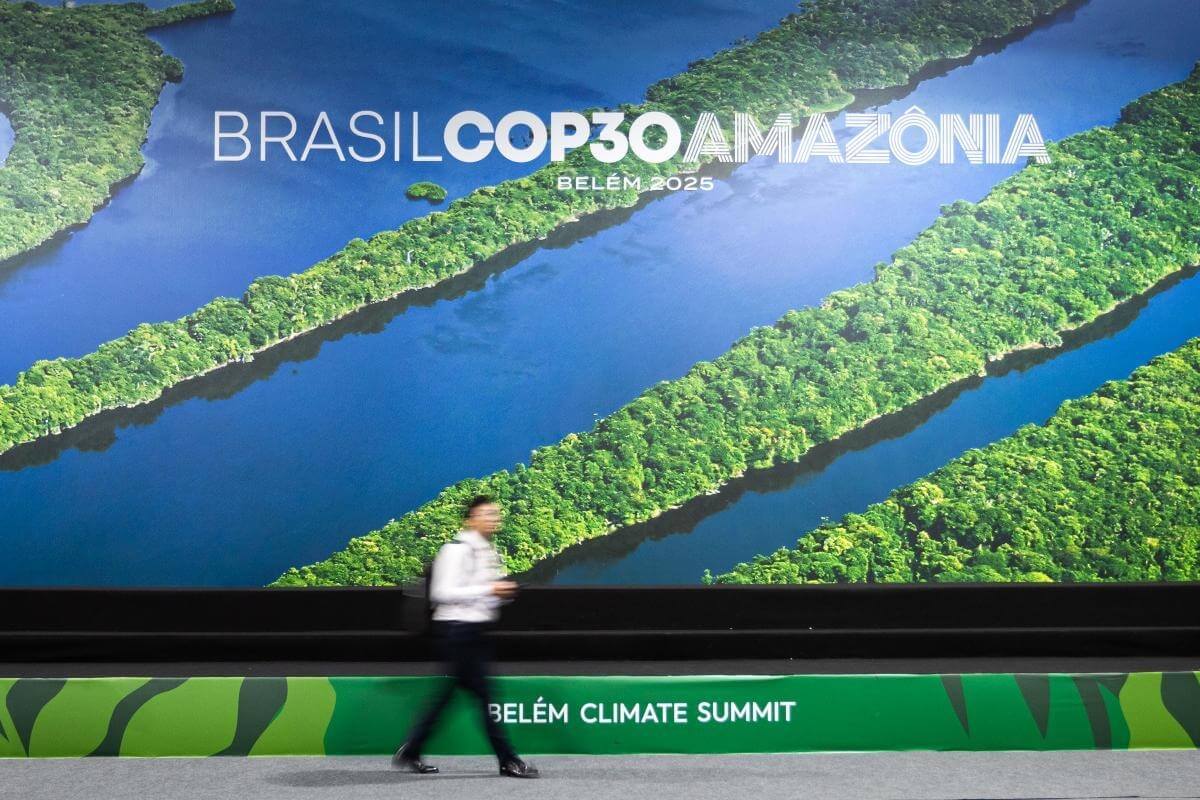
Leaving the UNFCCC represents a formal withdrawal from the main framework for global climate negotiations, which coordinates summits such as the COP conferences and sets targets for reducing greenhouse gas emissions.
The decision also affects other bodies such as UN Women, the agency for gender equality, and the Intergovernmental Panel on Climate Change (IPCC), which prepares scientific reports on the climate.
The White House stated that these organisations are ineffective or contrary to American interests, saving hundreds of millions of dollars a year that should be redirected to bilateral aid and domestic programmes.
US withdrawal weakens global cooperation
Reactions were harsh. United Nations Secretary-General António Guterres warned that this weakens global cooperation in health and climate.
The European Union expressed regret, noting that the withdrawal hinders joint efforts against climate change.
China and Russia criticised the move as self-serving, while NGOs, such as Amnesty International, warned of a loss of American influence in human rights and development forums.
The motive behind this decision is to redirect resources to channels where the United States has greater control.
Bilateral aid enables Washington to impose conditions directly on recipient countries, without intermediaries where the voices of rival powers such as China often prevail.
Withdrawal from UNFPA does not mean abandoning support for reproductive health – funds are being redirected to programmes that align with America's views on family and abortion, avoiding accusations of funding controversial practices.
Leaving the UNFCCC, as stated by the White House, also does not mean ignoring the climate.
Savings of hundreds of millions of dollars a year will be redirected to direct aid for allies
The Trump administration is emphasising domestic measures for energy independence, including increased production of fossil fuels, development of nuclear power, and investment in carbon capture and storage technologies. This avoids binding global targets that would limit US industry.
This approach creates opportunities for bilateral agreements with countries such as India or Brazil, focusing on concrete technology and cooperation rather than emission penalties.
This continues the policy from the first term, when the United States withdrew funding from UNFPA and left the Paris Agreement.
The Biden administration restored participation, but Trump is now going further, targeting bodies where he perceives political partisanship or the dominance of rival votes.
Savings of hundreds of millions of dollars a year will be redirected to direct aid for allies, strengthening ties with countries that share America's security and trade priorities.
Climate and health agencies adjust to life without US funding
Withdrawing from these bodies has concrete consequences. UNFPA is losing a significant portion of its budget, which will hamper programmes in developing countries, where the agency assists millions of women.
The UNFCCC and IPCC will continue to operate, but without US funding and input, negotiations will be more influenced by the European Union and China, which uses climate forums to promote its development model.
The American strategy relies on bilateral deals to achieve better results. Instead of contributing to funds where others decide on allocations, Washington can negotiate directly with countries such as Ethiopia or Indonesia on health or energy projects, setting terms that support American companies or security interests.
This is a pragmatic approach in a world where multilateral forums often block decisions due to vetoes or differences.
UN bodies will continue to exist, but with reduced budgets and influence
The forecast indicates that UN bodies will continue to exist, but with reduced budgets and influence.
The European Union and China are likely to increase their contributions to fill the gap, thereby strengthening their roles in setting the agenda.
The United States loses formal influence in these forums but gains the freedom to make quicker deals outside them.
In the long term, this may lead to reforms of the UN system or the creation of parallel forums where Washington has greater influence.
Faster deals, fewer compromises
This decision highlights the limits of multilateralism at a time when rivals use the UN to advance their interests.
A bilateral approach allows the United States to build alliances based on concrete benefits, rather than binding itself to compromises in major forums.
 The US is choosing an approach that enables it to directly influence concrete outcomes, without the need for compromises in large multilateral bodies
In the coming period, this will likely result in new partnerships with developing countries, where Washington offers technology and investment without the political conditions imposed by UN bodies.
For those observing the development of global diplomacy, this move is a clear sign that the era in which UN forums were the main channel for resolving global problems is gradually ending.
The United States is choosing an approach that enables it to directly influence concrete outcomes, without the need for compromises in large multilateral bodies where the voices of China, Russia, or other rivals often block decisions.
Such a strategy strengthens the American position in direct competition with Beijing and Moscow, as bilateral agreements allow for faster and more precise pursuit of interests – from trade agreements to security partnerships.
In a world where power is increasingly measured by the ability to respond quickly to crises, this shift away from the UN forum is not a withdrawal but an adaptation to new realities where direct talks with key partners yield more tangible results.
Ultimately, this demonstrates that multilateralism still has a role, but only when it serves national interests; otherwise, the great powers choose paths where they can set the pace and rules themselves.
