On 29 March, Disneyland Paris enters a new era. The opening of World of Frozen and the transformation of Walt Disney Studios Park into Disney Adventure World mark the resort's most momentous milestone in more than 20 years.
It is a strategic technology showcase that reveals how Disney plans to shape the next generation of immersive entertainment.
On Friday, 27 March, French President Emmanuel Macron visited Disneyland Paris ahead of the public opening. For non-Disney fans, this is the equivalent of the Spanish King visiting Mobile World Congress in Barcelona on opening day.
Disneyland Paris is a major technical display and one of Europe's most popular tourist sites. Macron's visit highlighted the greater message. Innovation in themed entertainment fosters national competitiveness, employment growth, and technology leadership.
This extension is part of a multi-year initiative worth €2 billion, announced more than 7 years ago. The pace was criticised, but as they say, wonderful things come to those who wait.
The outcome is evident today. Disney Adventure World positions Disneyland Paris as a trial ground for cutting-edge robotics, artificial intelligence, and drone-based storytelling technologies. It is about redefining how guests interact with stories.
Technology now sits at the centre of Disney's creative strategy. This new land proves it, and I've seen it and experienced it with my own eyes.
The technology foundation behind Disney Adventure World
Disney has always combined storytelling with engineering. What changed is the level of integration. In Disney Adventure World, technology plays a large role in the experience.
The debut includes a brand-new drone show, Cascade of Lights, featuring custom-built drones designed specifically for the Paris skyline. When it comes to nighttime drone entertainment, Disneyland Paris already leads the way.
In earlier performances, the resort collaborated with Dronisos and became a leader in synchronised aerial storytelling. Do you recall my piece "Storytellers in the Sky" from September of last year?
This new production pushes the envelope further with increased drone density, advanced lighting choreography, and real-time synchronisation with projection and music.
The team focuses on combining cutting-edge tools with traditional storytelling to create emotional moments and inspire guests
Even before it starts, watching 100 drones (ducks, as production calls them) get into place and float across the lake is remarkable.
One of Disney's main innovation pillars is drone technology. They provide tremendous visual impact, lessen infrastructural constraints, enable flexible storytelling, and above all, scale. Disney can add seasonal overlays and update shows faster without requiring significant building.
Show producer Ben Spalding, with 34 years at Disney, highlighted this philosophy in a behind-the-scenes video back in November.
He explained that the team focuses on combining cutting-edge tools with traditional storytelling to create emotional moments and inspire guests to become their own heroes and become stronger. Disney is using technology to amplify narrative.
Beyond advanced drones, Disney Adventure World introduces new lighting systems, synchronised environmental effects, a new score recorded at Abbey Road Studios in London, and interactive merchandise powered by embedded electronics. Disney is moving towards a unified experience architecture.
The NVIDIA partnership and the rise of intelligent animatronics
Last year, during NVIDIA GTC, I discussed Disney's collaboration with NVIDIA and the debut of Star Wars droids powered by advanced robotics and AI. Remember Blue?
One year later, that same technological direction appears in Paris through a new character. Olaf, the adorable snowman.
The Olaf animatronic in World of Frozen represents a major leap forward. Disney Imagineering developed it using NVIDIA technologies that support real-time motion, expressive animation, and advanced control systems.
The result feels less mechanical and more alive. Guests already respond emotionally. Olaf melts hearts instantly, and I wonder how he didn't fall when moving on a 360-degree rotating boat.
Disney does not simply animate characters; it builds responsive performers, and it works
Traditional animatronics relies on pre-programmed sequences. Newer systems integrate machine learning models and enhanced motion control. That creates fluidity and personality. Disney does not simply animate characters; it builds responsive performers, and it works.
NVIDIA featured Olaf at GTC this year, and he went viral very quickly. Disney gains access to cutting-edge computing platforms, and NVIDIA gains a global showcase for applied AI in physical environments. It is a mutually beneficial collaboration that will expand across parks worldwide.
Interactive merchandise also reflects this shift. Connected products react to environments, and guests become participants in the story. Technology blurs the line between attraction and personal devices.
Disneyland Paris in Disney's global strategy
Disneyland Paris holds strategic importance. The resort attracts a diverse international audience of all ages. It also offers greater operational flexibility than US parks. Disney often pilots innovation in Paris before global deployment.
This expansion confirms that role. A live laboratory is Disney Adventure World. It is possible to test integrated lighting ecosystems, AI-driven animatronics, and drone performances at scale. Future investments in Orlando, Anaheim, and Asia are informed by the data collected here.
Disney competes with digital entertainment, streaming platforms, and gaming, setting new expectations for interactivity
There is also the branding change. The renaming from Walt Disney Studios Park to Disney Adventure World is an ambition and a step into a new era.
The old identity focused on production themes. The new name emphasises exploration and immersion. Technology supports that transformation by enabling dynamic environments.
Disney made a multi-year makeover pledge just over seven years ago. Although some observers questioned the timeframe, this opening shows a sustained dedication. This opening is only the first phase, and future lands are already on the way, built on this technological foundation.
Disney competes not only with theme parks. It competes with digital entertainment, streaming platforms, and gaming, setting new expectations for interactivity. Disney responds by bringing interactivity into physical spaces.
Get ready for a new adventure
Anyone who visits Disney Adventure World and World of Frozen will witness digital intelligence-enhanced physical sets, AI-powered characters, synchronised drone performances, and experience-based products. This confluence defines the future of themed entertainment.
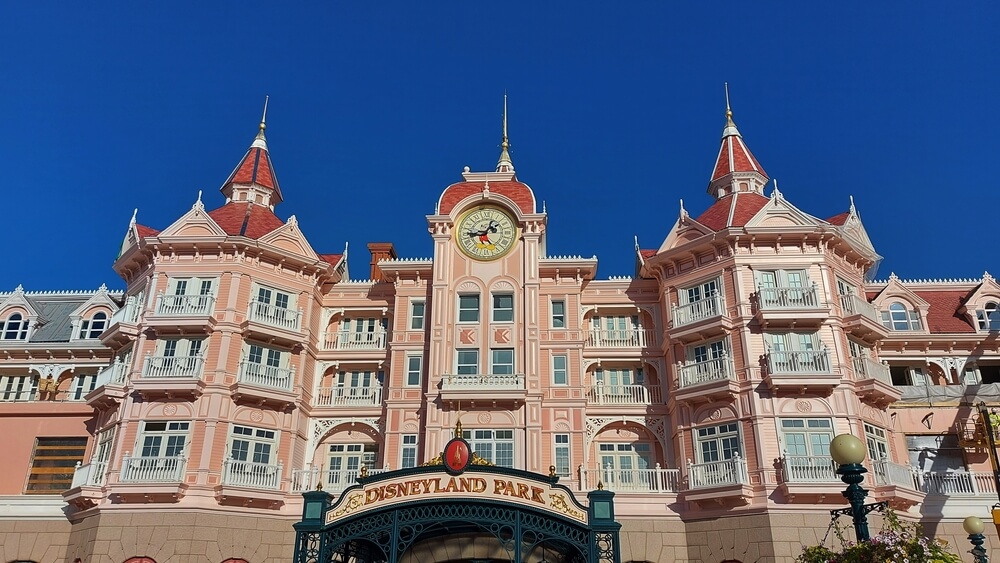 Disneyland Paris stands at the centre of storytelling and technology
Disneyland Paris stands at the centre of storytelling and technology. The World of Frozen opening marks a new beginning and a new chapter. How Disney continues to integrate robotics, artificial intelligence, and immersive design throughout the resort remains to be seen.
Disney is building adaptive environments that evolve with technology. The pace of innovation will accelerate, partnerships with companies like NVIDIA will deepen, drone storytelling will expand, animatronics will become more expressive, and guest experiences will grow increasingly personalised.
The world will remember 29 March as a turning point for both Disneyland Paris and the entire industry. Disney continues to combine imagination with engineering to create emotional connections at scale. And technology amplifies it.
If Disney Adventure World represents the first chapter of this transformation, what will the next generation of fully intelligent theme parks look like?
As cast members say, have a magical day.
