The cancellation of the deployment of about 4,000 American soldiers in Poland, announced almost at the last moment, may initially seem like another impulsive move by the Trump administration.
In reality, it is a much more serious signal. It is not about an American withdrawal from Europe, but rather the end of the assumption that the increased military presence introduced after the Russian invasion of Ukraine would automatically become permanent.
The essential question is therefore not whether America is abandoning Poland, but what happens when an ally's temporary wartime reinforcement returns to a level that Washington considers sustainable, while European capitals continue to plan for security as if American involvement will only increase.
The brigade that did not arrive
At the centre of this decision is an armoured brigade combat group with more than 4,000 soldiers and full heavy equipment. In early May, the unit completed its final deployment preparations in Texas.
When the mission was halted and the brigade was ordered to return, some equipment and personnel were already en route to Europe.
This unit was intended to continue rotations that, starting in 2022, maintained an increased American presence on NATO's eastern flank, from Poland and the Baltics to Romania.
The goal was to keep the number of American forces above the level that existed before the start of the war in Ukraine. Following this decision, the total American presence in Europe now approaches that pre-war level.
The deployment of American brigades in Europe is no longer the result of long-term allied planning
It is much more important than the brigade itself. For the first time since the start of the war, Washington is making it clear that additional forces deployed after 2022 do not constitute a permanent presence.
The way the decision was made may reveal even more than the decision itself. Only a few days earlier, American generals had addressed Congress about regular rotations and consistent support for allies.
Then, almost overnight, the deployment was halted, and part of the command was informed only shortly before the announcement.
This clearly shows that the deployment of American brigades in Europe is no longer the result of long-term allied planning, but a political decision that can be changed by a very small group in Washington and within a very short period.
Poland: between strategy and symbolism
For Poland, this is not merely a question of one brigade but concerns the entire security logic developed in recent years.
Since the annexation of Crimea, and especially since 2022, Poland has become a key logistical route for aid to Ukraine.
The airport near Rzeszów has developed into a central transit hub through which most Western military aid to Kyiv passes. Without this corridor, supplying Ukrainian forces would be significantly slower and more complicated.
At the same time, the number of American soldiers in Poland increased each year, and key NATO and American army commands were relocated to its territory.
In Warsaw, this was seen as confirmation that Poland is no longer a buffer zone between the great powers but a central pillar of the American presence in the region.
For the first time since 2022, Washington openly demonstrates that additional military presence is not a guaranteed outcome
Cancelling a new rotation does not remove what has already been established, but it alters the relationship between expectations and reality.
For the first time since 2022, Washington openly demonstrates that additional military presence is not a guaranteed outcome.
For a country that for years has linked its security to the continual strengthening of the American presence, this is a serious signal.
It is now becoming clear in Warsaw that the number of American troops in Europe is no longer increasing automatically and that Washington can reduce its presence even while the war in Ukraine continues.
America is changing its priorities
This decision can only be understood within the context of a broader shift in American priorities. In Washington today, the main strategic focus is no longer Europe, but China and the Indo-Pacific.
The war in Ukraine remains significant in American politics, but it is no longer the sole factor shaping US military deployment and long-term security plans. Russia is still considered a serious threat, but primarily as a problem that directly affects Europe.
From the American perspective, the war in Ukraine is no longer an event that automatically determines the entire deployment of American forces, but one of several parallel security challenges.
Halting deployment in Poland is not a technical matter but a signal to European allies
Washington is increasingly making it clear that it no longer wishes to bear the main burden of European security, as it did after the start of the war in Ukraine.
America remains NATO's key power – through nuclear protection, logistics, intelligence capabilities, and the ability to rapidly build up troops – but not through a continual increase in troop numbers across Europe.
In such a calculation, each new brigade is a political decision that must be clearly justified in terms of both strategy and domestic politics.
Therefore, halting deployment in Poland is not a technical matter but a signal to European allies that they can no longer assume a continuous strengthening of the American presence in advance.
Alliance and political cost
The decision also has a clear political dimension.
Plans to reduce the number of American troops in Germany emerged when relations between Trump and the German chancellor were already seriously strained by disputes over Iran, cost-sharing, and European defence. Criticisms from Berlin were met with a military response.
Cancelling the deployment of a brigade intended to cover Poland, the Baltics and Romania follows the same pattern. Allies are shown that the deployment of American forces is not separate from political relations with Washington.
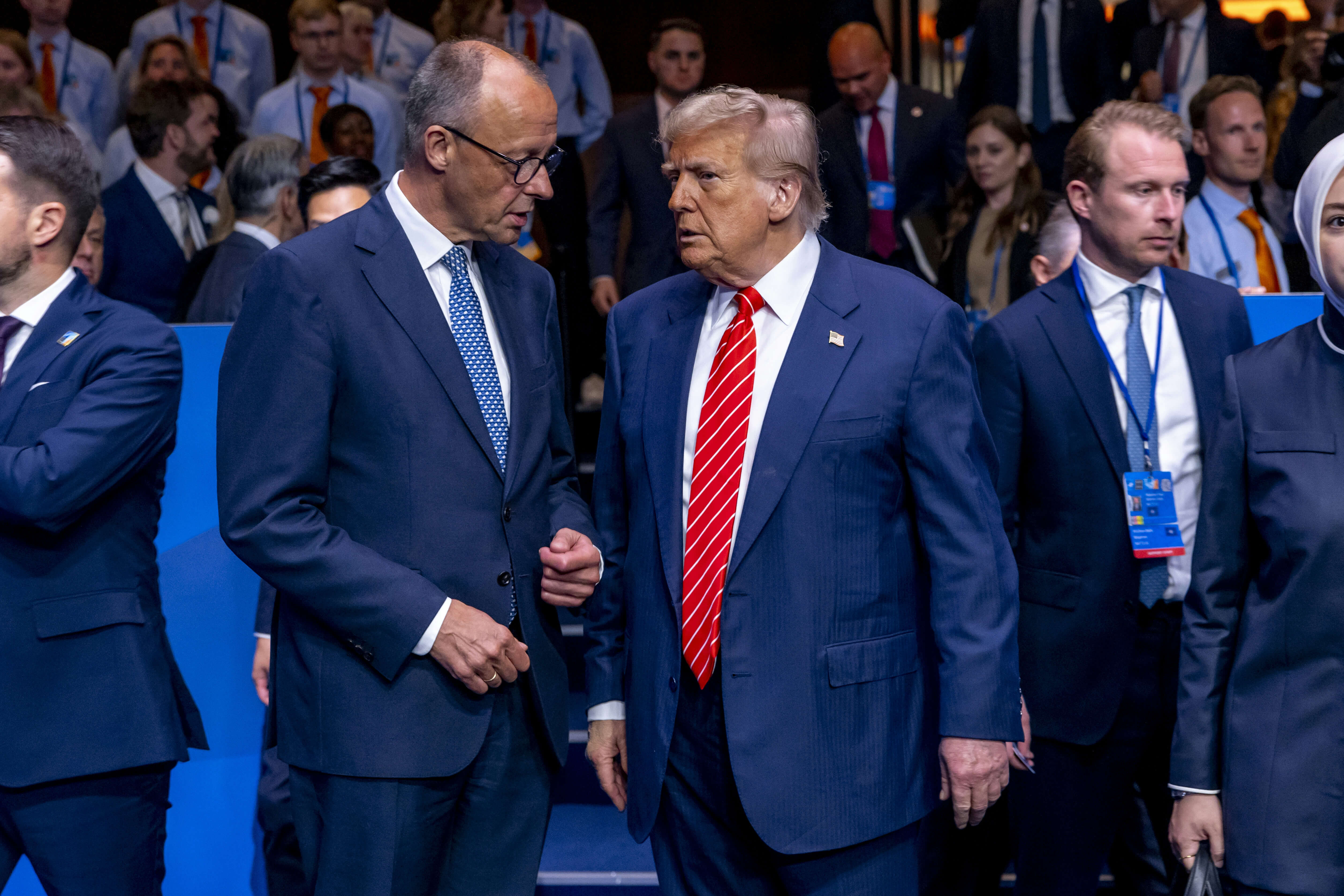 Plans to reduce the number of American troops in Germany emerged when relations between Trump and Friedrich Merz were already seriously strained by disputes over Iran
At the same time, from the American perspective, there is also a straightforward calculation. Today, the same budget and armed forces must cover the war in Ukraine, conflicts in the Middle East, an increased presence in the Indo-Pacific, and domestic political priorities.
In this arrangement, Europe no longer holds the privileged position it enjoyed in previous decades.
When this first translates into a concrete move, such as the one in Poland, it becomes clear that the period of automatic expansion of the American presence is over.
Nervous Europe
European reactions reveal a clear gap between public rhetoric and genuine concern.
The Polish leadership maintains that "essentially nothing has changed" and that the total number of US troops remains roughly the same. These statements are mainly intended to reassure the domestic public. However, they do not alter the fact that the planned reinforcement has become a withdrawal.
The Polish government is careful to avoid presenting the increase in American presence in Poland as a result of the reduction of American forces in Germany. If this were the case, it would not appear that NATO's eastern flank is being strengthened; rather, it would seem that the same military capabilities are simply being relocated within Europe.
European governments plan on a ten-year time horizon, while Washington can change its strategic direction in a matter of weeks
The Baltic States and Romania are reacting more cautiously, but are closely following messages from Washington. Their greatest fear is not a sudden American withdrawal from Europe, but a gradual weakening of the West's readiness to respond quickly and decisively in crisis situations.
For this reason, they warn that any discussion about reducing the American presence creates opportunities for new pressures, incidents, and provocations on NATO's eastern flank.
In Western Europe, Germany and France repeat the argument that the continent must invest more seriously in its own defence and rely less on America. The problem is that these discussions have continued for years, while actual changes occur slowly and cautiously.
European governments plan on a ten-year time horizon, while Washington can change its strategic direction in a matter of weeks. The greatest weakness of European security policy today lies precisely in this gap.
What actually changes
Until recently, the prevailing belief was that the American presence on the eastern flank would continue to grow as long as the war in Ukraine persisted.
Now, there is increasing discussion about what level of presence Washington considers sufficient and how much power it can allocate to other priorities. This marks a fundamental change.
The issue is not only the number of American troops but also how willing Washington is to maintain its current level of engagement in Europe over the long term
For NATO's eastern flank, the issue is not only the number of American troops but also how willing Washington is to maintain its current level of engagement in Europe over the long term.
This is precisely why the decision regarding Poland attracted so much attention – not because of a single brigade, but because, for the first time since 2022, it openly indicates that America is no longer planning solely how to increase its presence in Europe, but also where it can reduce it without major consequences for its own strategy.
The end of an illusion
Cancelling the deployment of a brigade to Poland is not a military shock that changes the balance of power overnight. American bases remain, the NATO structure remains, and European security is still largely dependent on Washington.
However, the political logic on which Europe has relied for the past three years is beginning to change.
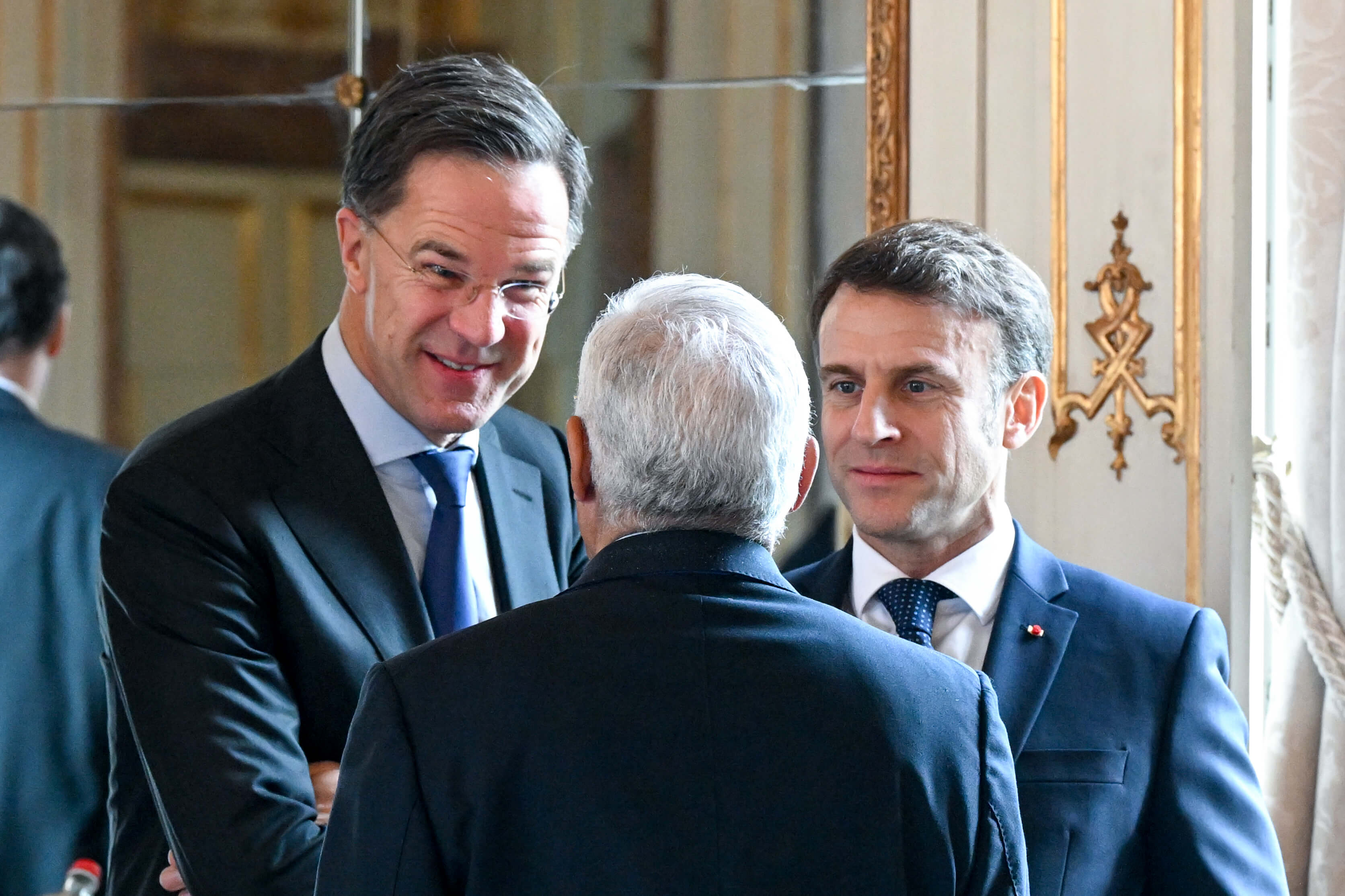 European security will depend less on what NATO says and more on how quickly European countries can adapt to a world in which American priorities are no longer the same as they were ten or twenty years ago
After 2022, many European governments behaved as though the war in Ukraine had permanently restored the United States as the main and long-term guarantor of European security.
The decision regarding Poland shows that Washington views this period differently – as a temporary phase of increased engagement, not as a new permanent structure for the American presence in Europe.
That is the essence of the entire story: not the brigade itself, but the change in America's view of Europe.
In Washington today, the focus is no longer on how to continually increase the military presence on the eastern flank, but on what level of presence is considered sufficient, as the strategic focus shifts to Asia and other crisis zones.
European countries, therefore, for the first time in a long while, must plan for security without assuming that the American presence will automatically continue to grow.
The biggest problem for Europe is not the possibility of fewer US troops. The problem is that political decisions in European capitals continue to lag behind changes already taking place in American strategy.
This is why European security in the coming years will depend less on what NATO says and more on how quickly European countries can adapt to a world in which American priorities are no longer the same as they were ten or twenty years ago.
