When diplomacy emerges in the middle of a war in the Middle East, it rarely signals peace – it signals that the cost of conflict has reached a point where calculation begins to replace escalation.
The recently announced two-week ceasefire fits squarely into this pattern. It does not mark the end of the war; it marks a transition. What could not be settled militarily is now being tested economically and politically.
Markets reacted immediately. Oil prices, which had surged amid peak uncertainty, began to retreat. This reaction reflects a fundamental truth: markets do not price a war itself; they price uncertainty.
Even a temporary ceasefire reduces that uncertainty – and in a highly financialised global economy, that alone can shift expectations rapidly.
A critical threshold
The critical threshold now is whether oil prices can remain below $100 per barrel. This level is not arbitrary. Oil above $100 historically feeds directly into inflation through multiple channels: transportation, industrial input costs, food production, and logistics.
Conversely, if prices stabilise below this threshold, global inflationary pressures begin to ease.
This is where the ceasefire intersects directly with central bank policy.
The two-week ceasefire, by pushing oil prices downward, introduces a new variable into this equation
Over the past year, central banks – particularly the Federal Reserve, the European Central Bank, and other major monetary authorities – have been operating under persistent inflation pressure, much of it driven by energy volatility.
The recent spike in oil prices had reignited concerns that inflation could become entrenched again, delaying or even reversing the expected easing cycle.
The two-week ceasefire, by pushing oil prices downward, introduces a new variable into this equation: a potential short-term disinflationary impulse.
The asymmetric risk
However, central banks do not react to short-term movements – they react to expectations.
And this is where things become more nuanced.
If oil prices remain below $100 and volatility declines, inflation expectations may begin to stabilise. In such a scenario:
- headline inflation could show mild improvement
- producer price pressures may ease
- supply chain costs could normalise
This would strengthen the case for central banks to pause further tightening or cautiously signal future rate cuts.
But there is a constraint: the ceasefire is only two weeks.
From a policy perspective, this is not enough to anchor expectations. Central banks are fully aware that a temporary geopolitical pause can quickly reverse.
Therefore, in the upcoming interest rate decisions over the next two weeks, we are likely to see a highly cautious stance.
In practical terms, this means:
- Central banks may hold rates steady, avoiding aggressive moves.
- Forward guidance will likely emphasise uncertainty and data dependency.
- Any discussion of rate cuts will remain conditional, not definitive.
Because the risk is asymmetric.
A delicate balancing act
If central banks react too quickly to falling oil prices and the conflict reignites, inflation could surge again, forcing a policy reversal. On the other hand, waiting too long carries its own cost – slowing growth unnecessarily.
This creates a delicate balancing act.
For oil-importing economies, the implications are immediate. Lower oil prices reduce import costs, ease pressure on current accounts, and help contain inflation.
This, in turn, stabilises currencies and improves financial conditions. But again, these benefits depend on persistence. A short-lived decline in oil prices does not fundamentally change macroeconomic trajectories.
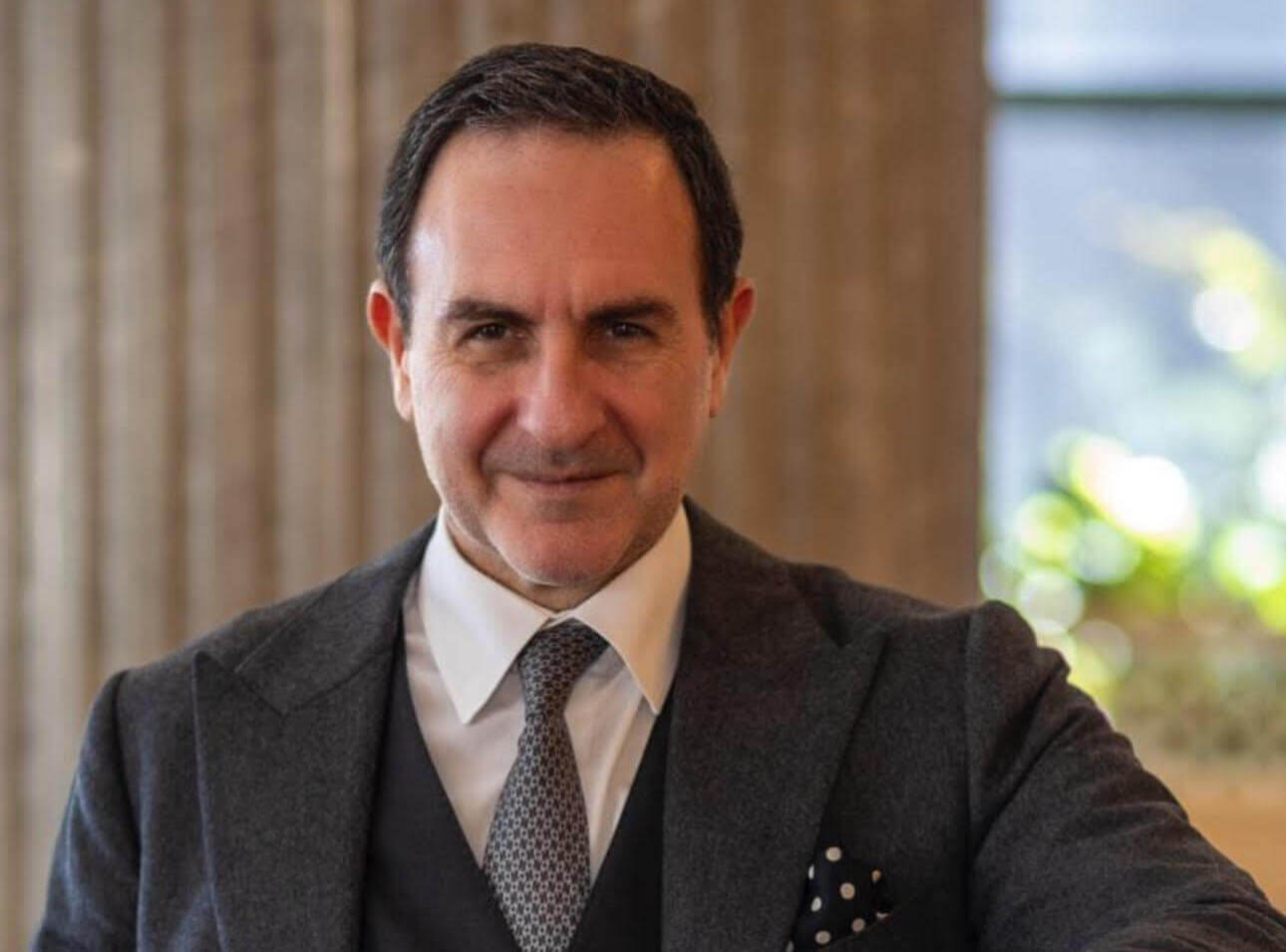 The ceasefire has introduced a brief window in which inflation risks appear to soften - Emre Alkin
What we are seeing, therefore, is not a shift in fundamentals but a temporary recalibration of expectations.
And expectations, in modern monetary policy, are everything.
The ceasefire has introduced a brief window in which inflation risks appear to soften.
But central banks will not mistake this window for a structural change. They will treat it as what it is: a pause, not a trend.
In essence, the war has not stopped – it has paused.
Inflation has not been defeated – it has eased temporarily.
And central banks are not pivoting – they are waiting.
Because in today’s global economy, decisions are not made on what is happening but on what is likely to happen next.
And right now, the only certainty is uncertainty.
