Economic crises can profoundly change individuals' consumption behaviours. The term "lipstick effect," which is often mentioned during such times, reflects people's tendency to turn to small luxuries when they struggle to make larger expenditures.
A lipstick, a quality coffee, or a special chocolate can provide individuals with a sense of control over their lives in an uncertain economic environment.
However, the psychological dynamics underlying this situation are much more complex and profound.
Psychologists view the tendency for individuals under economic stress to gravitate towards symbolic and affordable products as a natural behaviour.
Psychologist Dr Rachael O. notes, “Small luxuries offer individuals a way to improve their mental well-being.”
Examples of the "lipstick effect" can be seen in past crises as well as today’s economic circumstances. Data from the 2008 financial crisis showed that cosmetic brands experienced increases in sales and profitability, supporting this psychological thesis.
Similarly, during the COVID-19 pandemic, increases in sales of cosmetics and similar products serve as strong evidence for this theory.
Economists argue that the issue should be viewed from a broader perspective. Nobel laureate Paul Krugman states, “Small luxuries act as a buffer that can soften the economic impact of crises,” pointing out that during times of reduced spending, "small luxuries" help keep the retail sector afloat.
Hence, these small escapes play a balancing role in the economy. For instance, during periods of economic uncertainty, consumers’ turn towards small luxury goods partially slows the decline in retail sales.
This behaviour also shows individuals' efforts to create small joys amidst broader economic worries.
From psychological relief to societal responsibility
However, there are critical aspects of this psychological escape. Behavioural economist Richard Thaler argues, “This pattern of consumption allows individuals to escape their fundamental problems and can lead to long-term crises.”
People sometimes choose to spend money on simple small luxuries even while accumulating credit card debt. This situation weakens financial discipline, potentially deepening personal crises in the long run.
Thus, individuals' pursuit of psychological relief may lead them to drift further away from reality.
From a societal viewpoint, sociologists raise concerns about the perception that “everyone can buy themselves a lipstick,” suggesting it can mask deep income inequalities.
It has been pointed out that low-income families often cut back on basic needs to afford cosmetic expenditures.
Research has shown that those with poor socioeconomic status tend to spend on enhancing their appearance, while the underlying difficulties continue to grow.
In this context, the necessity to turn towards small luxuries raises questions about equity in society.
“Consumption decisions are critical not only for individuals but also for the health and welfare of society” - Economist Joseph Stiglitz
Sustainability experts are also contributing to these discussions. They emphasise that the habit of "emotional consumption" promotes resource waste and note that the increase in fast fashion and cosmetic waste serves as a concrete example of this impact.
Individuals aiming for a sustainable future must rethink their spending habits and engage in more conscious consumption, a central theme in these discussions.
This duality in consumption habits illustrates that individuals need to think across a wide spectrum, from psychological relief to societal responsibilities.
Small pleasures can protect personal psychological health during economic crises; however, this should always be accompanied by a conscious choice.
Economist Joseph Stiglitz states, “Consumption decisions are critical not only for individuals but also for the health and welfare of society.”
Rewarding ourselves with small luxuries without compromising individual budget discipline can indeed provide a healthy balance.
In conclusion, concepts like the "lipstick effect" undoubtedly represent intriguing areas in the study of consumer psychology. However, it is evident that serious questioning and in-depth analysis of these phenomena are necessary. As stated at the beginning of this article, the trend arising solely as a result of economic crises can have lasting effects on individuals' consumption habits.
Beyond the rational individual
Today's generation's understanding of consumption has taken on a considerably different dimension compared to past generations. With the influence of social media, young people prioritise experiential spending.
Furthermore, they express their desires with statements like, “I know there’s a world beyond what I currently have, and I want to chase after it."
They prefer shorter-term, meaningful expenditures over long-term mortgage payments, opting instead to travel, explore new experiences, and enhance their quality of life.
Explaining this behaviour through the concept of the "rational individual" falls short in light of the realities of this century. Changes in spending styles reshape individuals' values and priorities.
Moreover, considering the changing dynamics of the younger generation’s understanding of luxury, social and environmental responsibilities are becoming more prominent alongside financial accountability.
Concepts like the "lipstick effect" also shed light on the interactions impacting the overall economic health of society
People are increasingly "making purchasing decisions with an eye on environmental impacts," leading them to question the motivations behind their buying behaviour. This trend also brings the societal and ethical aspects of consumption habits to the forefront.
However, it is crucial not to overlook the imbalances in power and resource distribution. Sociologists critique the notion that "individuals struggling with economic problems may create a psychological escape through small luxuries." Economic hardships aren’t just a quest for psychological relief; they also exacerbate societal inequality issues.
Ultimately, understanding and transparently questioning our consumption behaviours is not only vital for individual psychology but also a critical issue for societal welfare as a whole.
Concepts like the "lipstick effect" reveal not only a facet of individual happiness-seeking but also shed light on the interactions impacting the overall economic health of society.
Small luxuries, big responsibilities
Economic crises compel individuals to resort to small luxuries, necessitating a broader perspective on the personal and societal consequences of these behaviours.
While pursuing small joys, we must not ignore our long-term financial understandings and the need to directly confront economic inequalities; this is our collective responsibility as individuals.
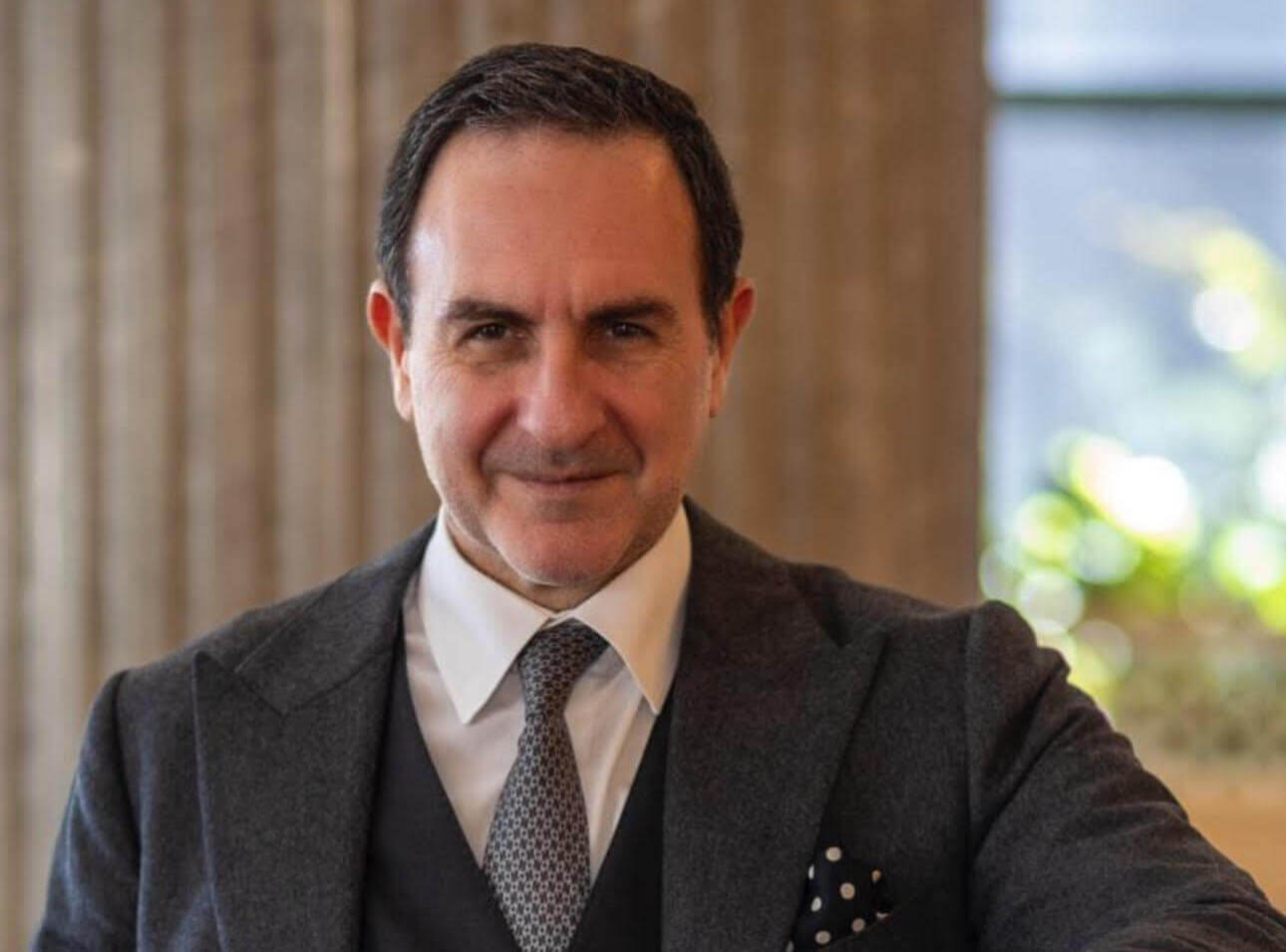 While pursuing small joys, we must not ignore our long-term financial understandings and the need to directly confront economic inequalities - Emre Alkin
Such an approach will serve as an essential step towards bequeathing a fairer, more balanced, and peaceful world to future generations.
The question, "Who defines luxury?" transcends mere psychological gratification; it must also serve as the foundation for a more balanced and equitable economic structure.
In light of these considerations, it is paramount for both individuals and society to adopt a healthier model of consumption that is significant not just at a personal level but also in terms of collective societal progress.
By fostering a conscious approach to consumption, we can bridge the gap between personal desires and broader societal needs, ultimately nurturing a sustainable environment for future generations.
The ongoing dialogue surrounding the "lipstick effect" and smaller luxuries is symbolic of much larger issues at play, emphasising the need for a holistic understanding of how individual choices impact not only ourselves but the entire fabric of society.
As we navigate these complex waters, let us aim for a model of consumption that not only satisfies immediate desires but also contributes meaningfully to the creation of a just and sustainable world.
