The UK this week faced the prospect of a seventh prime minister in 10 years after Keir Starmer’s latest defence of his leadership failed to head off mounting pressure to quit in the wake of crushing Labour losses in local elections.
As support among Labour MPs began rapidly to evaporate, for many of them the question switched from if to when he would leave the post he assumed less than two years ago after a landslide election victory.
The other immediate question was how long Starmer would fight to stay on, which he signalled he would do to a cabinet that mostly rallied round this week. As it met, there had been no formal bid from any challenger who might seek to replace him.
Or will he eventually bow to growing pressure from among his own MPs and the party rank and file to accept his eventual inevitable defeat and pave the way for as smooth a succession as possible by fixing a date for his voluntary departure?
The conundrum unsolved
There are a range of factors to explain what has gone wrong. But fundamentally, the widely unpopular Starmer’s principal failure has been in not solving the conundrum of how to deliver change at the same time as restoring political and fiscal stability.
From the outset, his message to the country was long on gloom and short on hope, delivered in a bureaucratic and uninspiring style that failed to galvanise an electorate battered by years of post-Brexit turmoil.
The former lawyer came to power in what has been called a loveless landslide
Some of the incremental progress his government made has been eclipsed by tone-deaf measures and U-turns forced by backbenchers to the left of Starmer and his cabinet.
The former lawyer came to power with a commanding parliamentary majority less than two years ago on barely a third of the popular vote in what has been called a loveless landslide.
The succession dilemma
Whoever might end up succeeding him, Labour still has three years to go before it faces the national electorate again.
If Starmer goes, the party probably has only one shot at picking a successor to lead it and the country until then. It will want to avoid the fate of its Conservative predecessors, punished at the polls after a series of leadership changes failed to restore its fortunes after years of chaos at the top.
With Starmer gone, the electorate would want fresh policies
Changing leader mid-term is a considerable risk. With Starmer gone, the electorate would want fresh policies and not yet another new face if a successor failed to deliver.
Given the domestic and global challenges the country faces, what direction would a new leader take to mend an already politically fractured country where populists of left and right have emerged to challenge the existing two-party duopoly?
No significant ideological shift
The public should not anticipate any significant ideological shift but more likely a cautious move to the moderate left under most of the handful of candidates mooted to replace Starmer.
They should expect a fresh emphasis on government intervention to address the country’s economic ills but with limited prospect of a spending surge that might break the bank or further rattle already unsettled bond markets.
A successor would maintain a policy of fostering closer ties with the European Union while avoiding Starmer’s exaggerated pledge this week to put the UK back at the heart of Europe.
Despite bitter divisions over immigration and national identity fuelled by the insurgent right, the main challenge for Starmer or a successor remains essentially economic.
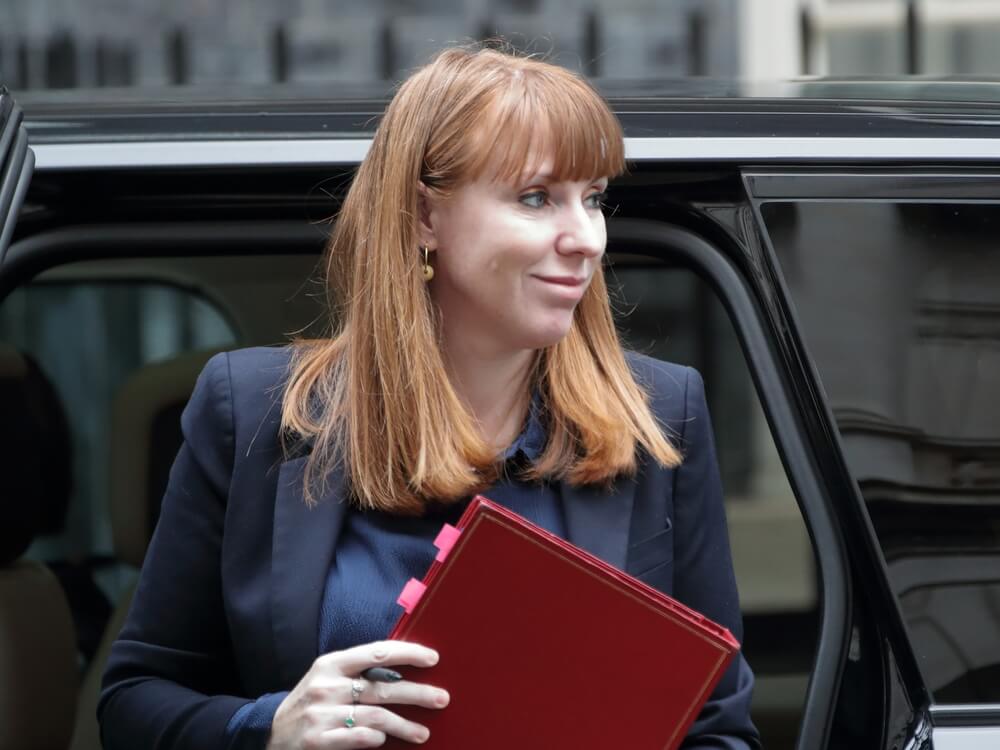 Former minister Angela Rayner was among those who urged Labour to return to its working-class roots
Former minister Angela Rayner was among those who urged Labour to return to its working-class roots and focus on cushioning the impact of cost of living increases on the average wage-earner.
She told a trade union gathering that “Labour exists to make working people better off” while reprising a once familiar left-of-centre mantra that the country’s ills stemmed from deregulation, privatisation and trickle-down economics.
Labour has failed to boost growth for reasons not entirely of its own making in a fractured global landscape.
The International Monetary Fund last month downgraded the UK’s growth prospects by five points to 0.8 per cent after concluding that it would suffer more than any other advanced economy from an energy supply cutoff caused by the Iran war.
But, as last week’s polling indicated, an unforgiving electorate no longer seems willing to accept even reasonable excuses.
Delivering on promises
Partners and allies in Europe face their own challenges. But at least they were spared the self-inflicted wounds of the UK’s departure from the EU after a bitter split in public opinion that set a harsher tone for political discourse.
For now, domestic attention is focused on who might succeed Starmer more than on the specifics of what he or she might do to revive the party’s and the country’s future prospects.
What is at stake in the longer term is whether Labour can reassert its role as the dominant progressive party
What is at stake in the longer term is whether Labour can reassert its role as the dominant progressive party and even aspire to a second term in order to stymie right-wing Reform’s ambitions to enter government for the first time.
That is clearly what a besieged Starmer had in mind this week when he warned that Britain risked going down a very dark path if Labour failed to deliver on its promises.
But, in the midst of the current crisis enveloping his leadership, how many disaffected voters were listening?
