Many in the Middle East are nervously watching Israeli elections to be held on 27 October, not least the Lebanese who wonder if and when a durable peace may end the still smouldering conflict between Israel and the Lebanese Shia force Hezbollah.
Israel and Lebanon might hold an eighth round of talks in Florida on 20 October, say reports. But few people are hopeful that either Israel will soon withdraw from southern Lebanon or that Hezbollah will put down its weapons.
There has been little progress so far in the talks that began in April, nor under a US-sponsored trilateral framework with Israel and Lebanon signed on 26 June.
Meanwhile, Israeli strikes continue, and thousands of Lebanese uprooted in the south of their country suffer the humanitarian consequences despite a series of ceasefire announcements.
Just last weekend, Israeli forces bombed a private school, set fire to homes, and carried out air strikes and artillery attacks across southern Lebanon.
Israel and Hezbollah have been fighting since the Hamas attacks on Israel on 7 Oct 2023.
In March this year, Hezbollah responded to the Israeli attacks for the first time in more than a year after the assassination of Iranian Supreme Leader Ayatollah Ali Khamenei on the first day of the US-Israel war on Iran. Israel then reinvaded southern Lebanon for the second time in less than two years and now occupies more than 50 villages.
Israeli attacks in Lebanon have killed more than 4,300 people since 2 March, according to Lebanon’s health ministry.
Hezbollah has not disclosed its death toll, but Reuters reported on 4 May that several thousand Hezbollah fighters had died. More than 30 Israeli soldiers have been killed.
Scaled-down UN mission
Further complicating the picture is US and Israeli pressure to end, on 31 December, the mandate of the UN peacekeeping force in Lebanon, UNIFIL.
It was originally formed to oversee the withdrawal of Israeli troops from southern Lebanon after Israel’s 1978 invasion and its mandate has been renewed annually since then.
There are now around 7,500 peacekeepers from some 50 countries operating in southern Lebanon. Beirut, with backing from Paris and others, are pushing to keep UNIFIL amid fears the region could further destabilise in its absence.
Efforts to create a new multinational peacekeeping force have stalled
Efforts to create a new multinational peacekeeping force to monitor the latest Israel-Hezbollah ceasefire and support the Lebanese government have stalled.
Ideas floating around included a “scaled-down” UN mission, French, Italian or British troops, US military personnel, or an EU force, according to the FT. But it remains unknown how any force might take on the disarmament of Hezbollah.
Israel insists any new peacekeeping mission must be agreed as part of the direct negotiations with Beirut. Those negotiations that appear set to resume in Florida - from which Hezbollah is excluded - already bear a loaded agenda.
Pilot zones
Under the US-mediated deal, Israeli forces are to withdraw from southern Lebanon in exchange for the disarmament of Hezbollah across Lebanon, not just north of the Litani river in southern Lebanon as Hezbollah insists.
The last talks took place in Rome on 6 August but a stalemate has endured, with Israel saying Hezbollah must disarm first but Beirut wanting a full Israeli withdrawal as the first step.
Israel has withdrawn from only one of a series of “pilot zones”
Israel has withdrawn from only one of a series of “pilot zones”. Beirut has posted its army there but efforts to rebuild trust in its authority and welfare plans have done little to boost its standing among the Shia.
The Lebanese government - which is seeking up to $1 billion in international financing for reconstruction and economic assistance - says ongoing Israeli attacks are why it has only taken control of part of one village.
But Israel says it will not rule out attacks even beyond its so-called buffer zone of military control that extends 10km into southern Lebanon.
Prospects for peace remain dim
Some 330,000 Lebanese remain displaced and children in four out of five households go to bed hungry because families cannot afford the basic necessities of life, says the UN, which notes that air strikes and demolitions of homes continue. “Economic hardship and the impact of conflict continue to devastate the lives of children and families in Lebanon,” said Catherine Russell, head of UNICEF.
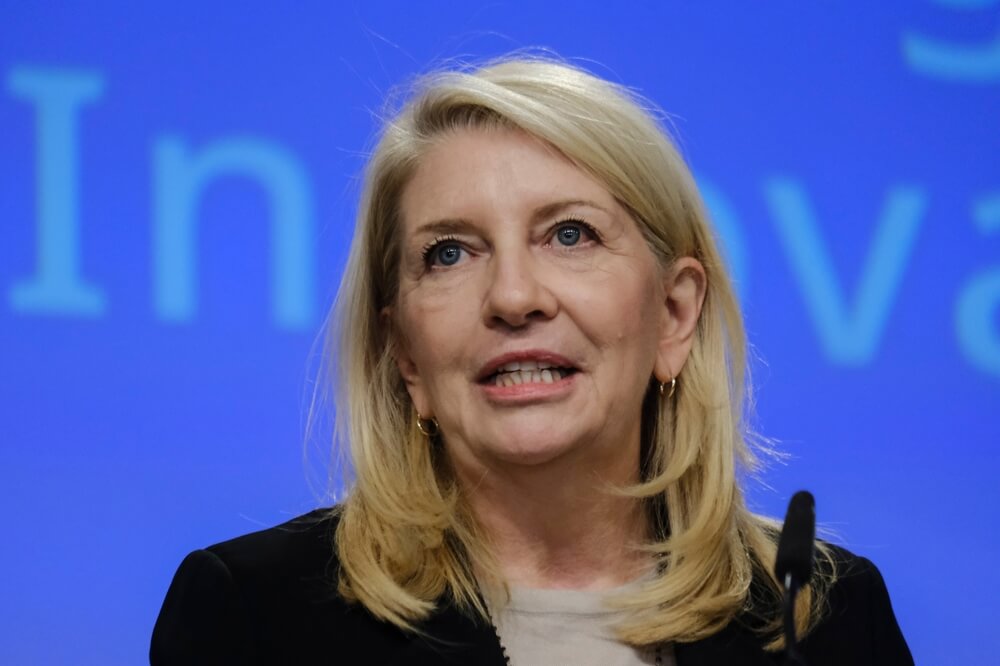 Some 330,000 Lebanese remain displaced and children in four out of five households go to bed hungry - Catherine Russell
Lebanon is running out of time to prevent confrontation between Israel and Hezbollah escalating into a wider war, Amine Iskandar, president of the Lebanese Maronite Union, this week told the Lebanese TV channel Al Jadeed. “We cannot keep going like this,” he said.
But even if Benjamin Netanyahu, Israeli prime minister, loses in this month’s elections to his main challenger, former army chief of staff Gadi Eisenkot, Israel’s strategy towards Lebanon is unlikely to change.
He has accused Netanyahu of bowing under US pressure to stop military operations in Beirut and both men want a demilitarised southern Lebanon to ensure security for northern Israel.
Prospects for peace remain dim even though Beirut is offering Israel a bilateral security agreement that would end 78 years of official hostilities, noted Frederic C. Hof, a former US special envoy to Syria, in the Al Majalla news magazine.
He urged international military, political and economic assistance along with a continued US role to facilitate Israeli security as well as Lebanese sovereignty to end Hezbollah’s hold over the Shia population.
“I think it would be smarter for Israel to conduct operations aimed at seeking the cooperation of any Lebanese - cooperation that will be essential for eventual peace - instead of its current gratuitously destructive approach that risks the permanent alienation of Lebanon's largest sectarian community,” he wrote.
