A parliamentary by-election later this month is shaping up to be a defining moment in UK politics, with some pundits forecasting a potential two-horse race between the populist left and right.
The ruling Labour party comfortably won the northwest of England seat of Gorton and Denton in the 2024 general election with just over half the 36,000 votes cast. The new election was prompted by the Labour incumbent stepping down.
This time around, Nigel Farage’s right-wing Reform is topping national polls ahead of the February 26 vote, with the insurgent Greens challenging Labour from the left.
A loss to either rival would be a further setback for Prime Minister Keir Starmer’s party after a year and a half of contested policy choices and subsequent U-turns that saw its popularity plummet.
Labour critics accused Starmer and his allies of putting the seat at risk by blocking the candidacy of the popular local mayor of Greater Manchester, Andy Burnham, in order to deny him a parliamentary seat from which he could launch a leadership challenge.
Given a choice, Labour strategists might sooner stomach losing to Reform, an outcome they could dismiss as a mid-term blip that reflected merely temporary party standings in the polls.
The less likely outcome of a Green Party victory, however, might signal the emergence of a viable challenger for leadership of the left ahead of the next general election.
A fractured state of UK politics
Labour has polled behind Reform for most of the past year, although largely as a result of disillusioned supporters of the ousted Conservative government switching their allegiance to Farage.
Among former Labour voters, there has been a parallel shift towards the Greens, rebranded as a movement of the radical left under its new leader, Zack Polanski. His party has already overtaken Labour as the most popular party among 18- to 24-year-olds.
The current state of play has led some commentators to speculate that Reform and the Greens could emerge as the main contenders in the next national election, to be held by mid-2029.
By-elections can be notoriously misleading predictors of future outcomes
There are alternative scenarios, of course, including the one in which Labour holds the northern seat this month, putting at least a temporary hold on the undeclared leadership challenges Starmer has had to confront in recent months.
Each party will put its own gloss on the outcome of the February 26 vote. The reality is that by-elections can be notoriously misleading predictors of future outcomes.
Past ‘defining moments’ have included successful centrist by-election challenges to the two-party status quo that have then been reversed in the cold light of a subsequent General Election day.
Given the present fractured state of UK politics, it might be premature to forecast a shift in the traditional Labour-Conservative dichotomy to one that pits Reform against the Greens.
Registering a protest vote
The by-election offers the population of a single constituency the opportunity to register a protest vote that reflects a wider national discontent with the current status quo by opting for one of the insurgent parties or simply staying at home. Already in the 2024 election, local voter turnout was less than 50 per cent.
Come the next general election, however, and depending on wider global developments in an uncertain world, voters nationwide might decide they are better off sticking with the political devils they know.
Neither Reform nor the Green Party have been tested in office at a national level. Farage, however, has welcomed in some former ministerial refugees from the ousted Conservative government to further broaden the leadership ranks of what has been seen as a one-man party.
The challenge for both insurgent parties is to translate what are essentially protest votes against the status quo into sustainable results in future elections
His embrace of Conservative defectors such as former Home Secretary Suella Braverman has prompted jibes that Reform is becoming a retirement home for those directly responsible for landing the country in what Farage himself describes as its current ‘broken’ state.
The Greens have had much more modest success in an active campaign to attract defectors from Labour, at least at a local level.
The challenge for both insurgent parties is to translate what are essentially protest votes against the status quo into sustainable results in future elections.
From municipal gains to a national poll
Whatever the outcome in Gorton and Denton, both challengers are expected to make gains in municipal elections scheduled for May. But will that follow through to a national poll in which voters might take a closer look at the policy options on offer?
Reform’s pledges to end illegal migration, slash taxes and revamp the national health service would almost certainly turn out to be easier to promise than to fulfil.
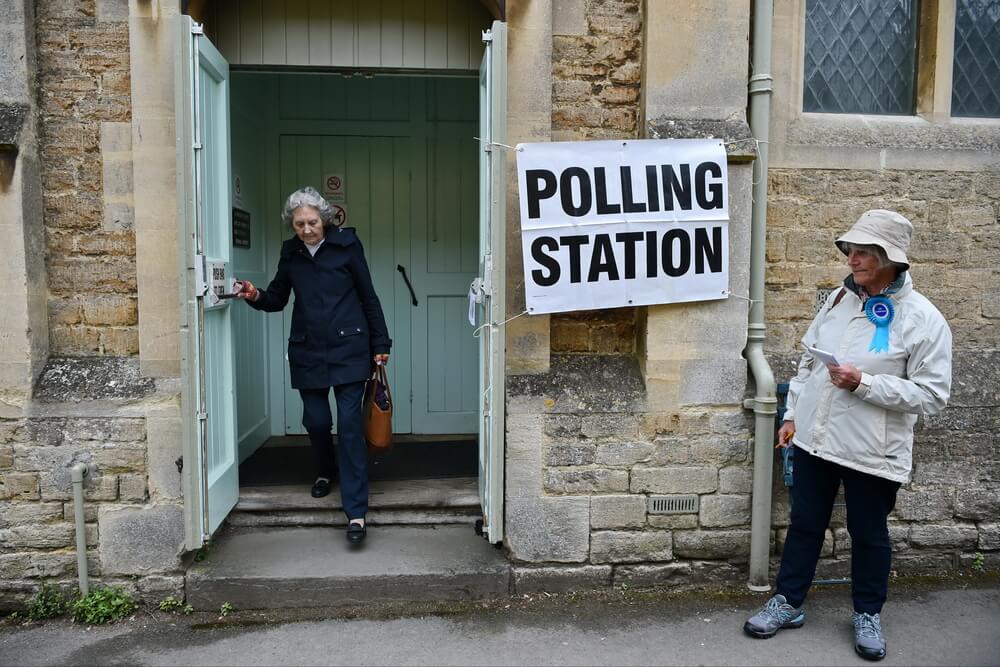 The February 26 outcome will certainly have an impact on political fortunes, potentially including that of Starmer as Labour leader
The policy options under a future Green government are even more difficult to pin down. Polanski, a former Liberal Democrat, has pushed his new party to the left since he was elected to lead it less than six months ago.
His past pronouncements that the UK should leave NATO may cause many potential supporters, even those on the left, to think twice in view of the defence challenges the country and its allies currently face.
The Green surge is due in part to the internecine strife that has marked the birth of Your Party, former Labour leader Jeremy Corbyn’s attempt to create an election-winning vehicle on the left.
The Greens may also benefit locally from the decision of the Workers Party of Britain not to stand in the upcoming by-election “in the best interests of the working-class”.
Headed by former Labour renegade George Galloway, the party placed fourth in the constituency in 2024 with 10 per cent of the votes.
So, it’s all to play for, as they say in politics and sport. The February 26 outcome will certainly have an impact on political fortunes, potentially including that of Starmer as Labour leader.
The question of how far it might act as a guide to outcomes three years hence is considerably more moot.
