Europe is not yet in recession, but the latest business and consumer surveys show that the risk is no longer remote.
The euro area’s flash composite PMI fell to 48.6 in April from 50.7 in March, moving below the 50 threshold that separates expansion from contraction and signalling a quarterly GDP decline of around 0.1 per cent after a 0.2 per cent gain in the first quarter, according to S&P Global Market Intelligence.
At the same time, the European Commission’s flash consumer-confidence indicator dropped to -20.6 in the euro area and -19.4 in the EU, both significantly below their long-term averages and the weakest readings since 2022, according to the European Commission.
The most worrying part of the PMI release is not just that output is contracting. It is that the contraction is arriving both in services and manufacturing and with renewed inflation pressure.
Input costs rose in April at the fastest pace since the end of 2022, while selling-price inflation reached a 37-month high, with S&P Global noting that its prices-charged index is consistent with consumer inflation running near 4 per cent.
That is the dangerous mix Europe should have learned to avoid after the energy crisis of 2022: weaker activity, higher costs, and policy complacency.
The war with Iran is the immediate shock, but it is not the cause of Europe’s vulnerability. As in 2022, an external crisis has exposed the internal weaknesses that politicians prefer to ignore: high taxes, excessive regulation, rigid labour markets, low productivity, energy dependence, and an industrial policy increasingly driven by ideology.
Europe had years to prepare for external shocks, strengthen security of supply, develop domestic resources, diversify energy sources, and reduce the tax burden on companies.
Instead, too many governments chose interventionism, subsidies, and higher public spending and are now dusting off the rationing rhetoric.
Interventionism that will backfire
Europe survived the 2022 energy crisis less because of brilliant policy and more because of temporary relief: a mild winter, emergency purchases of liquefied natural gas and weak Asian demand for some cargoes.
That window should have been used to reopen nuclear capacity, accelerate domestic resource development, secure long-term gas contracts and reduce the regulatory burden on industries. Instead, numerous governments regarded a fortunate escape as a policy triumph.
Europe remains exposed to disruptions in global LNG markets, instability in the Middle East, possible Russian supply interruptions and the rising cost of competing with Asia for energy cargoes.
A region that deliberately limits its energy options, taxes productive activity aggressively and imposes ideological constraints on investment should not be surprised when every geopolitical shock becomes an economic emergency.
Instead of allowing firms to invest, adapt, and secure alternatives, governments respond to scarcity with more controls, more intervention, and more taxation
European governments are talking about windfall profit taxes, demand control, and rationing. Instead of supporting and incentivising the companies that can secure supply and strengthen chains, they prefer to implement more interventionism that, again, will only backfire.
The April PMI data show that the impact is spreading. S&P Global says the war is hitting services hardest, with activity falling at a pace not seen since the pandemic lockdowns of early 2021, while manufacturing output is being supported partly by stock-building rather than genuine demand strength.
This matters because services were the engine that kept Europe’s weak recovery alive. If services roll over while industry remains burdened by high taxes, elevated energy costs, and regulation, the cushion disappears.
Supply chains are also deteriorating again. Supplier delivery times lengthened in April by the most since July 2022. This is the classic European policy trap: instead of allowing firms to invest, adapt, and secure alternatives, governments respond to scarcity with more controls, more intervention, and more taxation.
I find it staggering to read that some European governments want to increase taxes precisely on the companies that can deliver supply security solutions – a clear disincentive to productive improvement.
Approaching a policy test
Consumer confidence confirms the damage. The European Commission reported that confidence fell by 4.2 percentage points in the euro area in April and by 4.0 points in the EU, continuing what it calls a “free fall” since the start of the Iran war.
Households are not reacting only to headlines from the Middle East. They are reacting to a familiar reality: expensive energy, high taxes, weak real disposable income, uncertainty about employment, and governments that offer more restrictions rather than more growth.
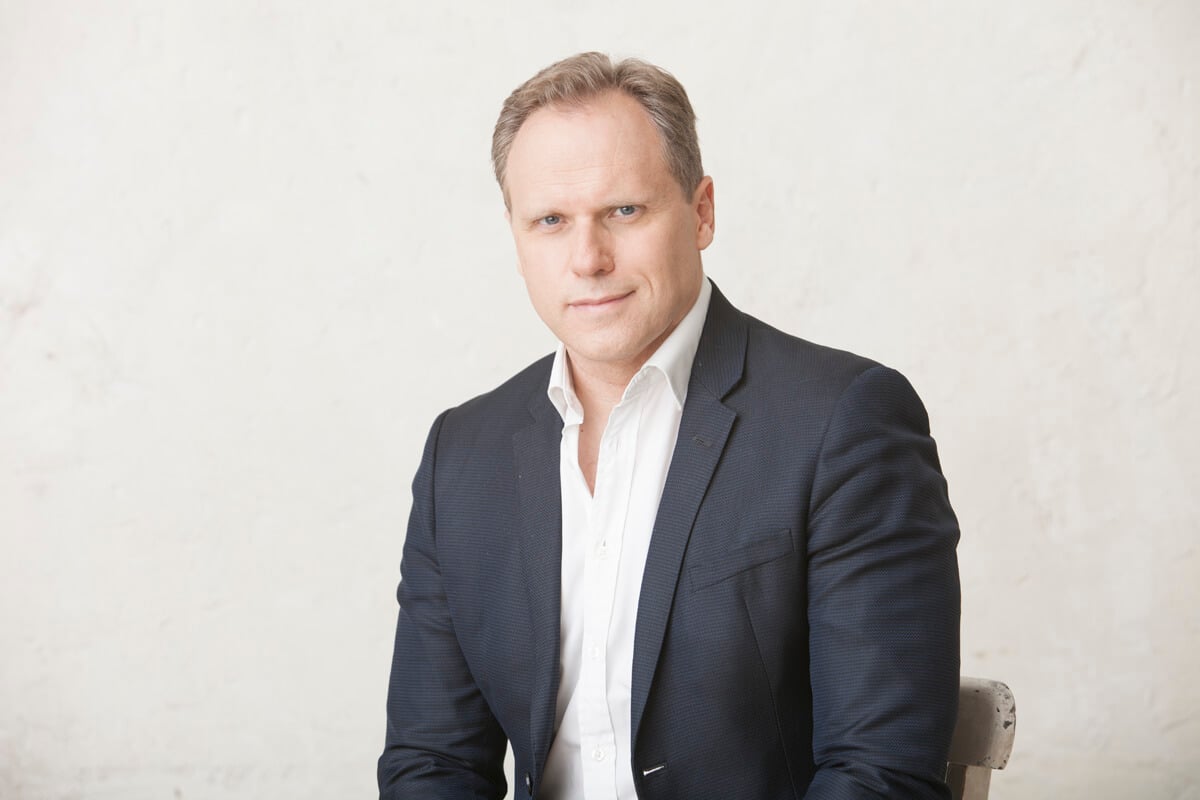 The euro area does not lack talent, capital, or companies capable of solving supply challenges. It lacks governments willing to remove obstacles - Daniel Lacalle
Europe is, again, approaching a policy test. The correct response is not rationing, price controls, or new attacks on business. The correct response is deregulation, lower taxes, faster permitting, energy realism, and a serious strategy to rebuild industrial competitiveness.
The euro area does not lack talent, capital, or companies capable of solving supply challenges. It lacks governments willing to remove obstacles.
The latest PMIs and consumer-confidence numbers do not mean that Europe is already in recession. However, they show that the region is dangerously close to repeating the mistakes of 2022, which resulted in persistent dependence from Russia and weaker industrial output.
The lesson is obvious. External shocks are inevitable, but strategic weakness is a choice.
