There are economic clichés that, through repetition, become unquestioned axioms. One of them is: “When there is war, gold goes up.”
In the 1980s, during the Iran–Iraq war, that axiom worked flawlessly – gold surged because the financial world was simpler: inflation was high, the dollar was weak, central bank credibility was contested, and investors considered almost nothing else a safe haven.
But today that reflex has failed. The Iran war erupted, risk spiked, and uncertainty increased. Gold initially behaved classically and climbed above $5,000.
Then the unexpected happened: prices retreated to around $4,100 – 4,500. Same geography, similar conflict, but a completely different price reaction.
What changed? The answer is clear: the world changed, and so did gold’s role. As noted, in the 1980s investors had few alternatives. Today, the financial system is much deeper.
US Treasuries, a high-rate environment, the dollar’s reserve status, and advanced financial instruments provide serious competition to gold.
In previous eras, investors would flee to gold when war broke out. Now they first ask, “What are interest rates?” If rates are high, gold moves down the priority list.
No longer just a ‘fear asset’
That is precisely what happened in the Iran conflict. The US central bank’s tight policy, a high-rate regime and a strong dollar placed substantial downward pressure on gold.
War pushed prices up; interest rates pulled them down. In the short term, rates won.
Another difference is investor behaviour. Markets were slower and less speculative in the 1980s. Today they move much faster.
Gold is no longer just a “fear asset” but a portfolio instrument
Gold had enjoyed a strong run over the past two years; when the Iran shock produced a spike, many investors saw the peak not as a flight to safety but as a selling opportunity, accelerating the pullback.
Moreover, gold is no longer just a “fear asset.” It is a portfolio instrument. ETFs, derivatives and algorithmic trading have transformed gold beyond its classical role.
Today gold prices respond not only to geopolitical risk but also to fund flows, positioning and liquidity.
A healthy correction, not a trend reversal
An important nuance is that many large institutions view this decline not as a trend reversal but as a healthy correction.
Interestingly, even as prices eased, a significant share of major players remained bullish.
JPMorgan, for example, argues that gold could exceed $6,000 and even reach $6,300.
Goldman Sachs and Citi state that remaining above $5,000 is possible, and banks such as UBS and Deutsche Bank also expect gold to retest record levels in the medium term.
Central bank demand – especially from emerging-market central banks – continues to be a structural buyer supporting the downside
Three arguments underpin this optimism. First, central bank demand – especially from emerging-market central banks – continues to be a structural buyer supporting the downside.
Second, the global debt problem: rising public indebtedness and expansive monetary policies may redirect investors towards real assets.
Third, geopolitical risks remain unresolved; the Iran war may end someday, but systemic calm is not guaranteed.
Gold has not lost its appeal
Of course, not everyone is optimistic. Some analysts argue that gold has become an overcrowded trade in recent years, with everyone on the same side, and thus it could remain under pressure while seeking a new equilibrium.
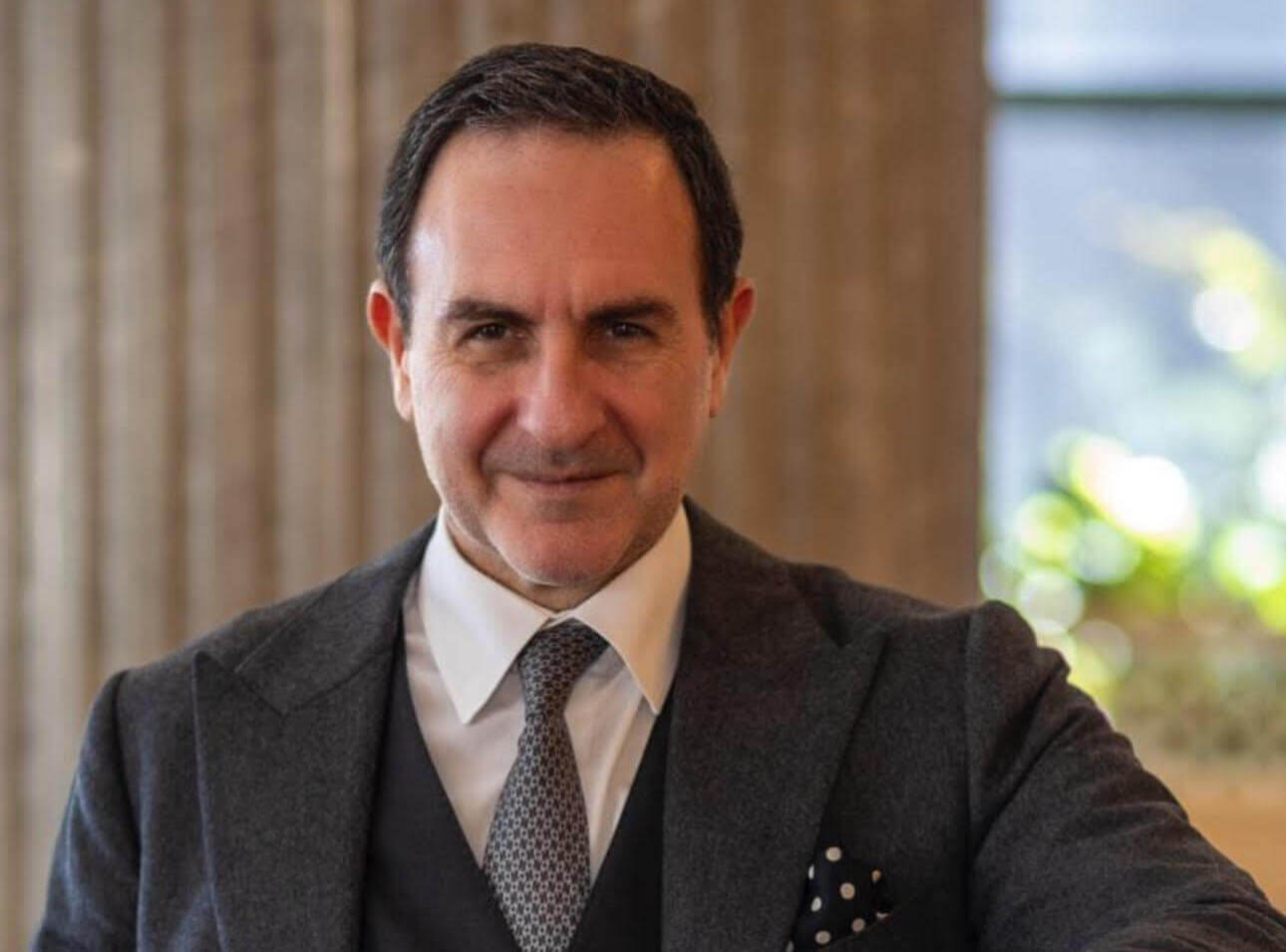 The Iran war demonstrated that gold has not lost its appeal; rather, investor behaviour has changed - Emre Alkin
In summary, the Iran war demonstrated that gold has not lost its appeal; rather, investor behaviour has changed. The $4,100–4,500 level is not necessarily a sign of fundamental weakness, but perhaps a search for a new balance.
If the major institutions are correct, that balance could become the springboard for future record highs.
