I have watched many policy debates rise and fade across the tech world. Few have created what I see right now around Australia's upcoming social media age law.
With the December 10 deadline approaching, the world is already calling it a ban. The government calls it a delay in access, the public calls it everything from necessary to outrageous, and no matter where you stand, this is a turning point. We can all agree on that.
I have been following the updates closely. I spent time reading the official eSafety guidance and the coverage from major outlets.
The conversation keeps expanding because it touches on a sensitive topic. It asks us how far we go to protect young people in a world where digital risks grow faster than our policies can keep pace.
Many leaders hesitate to comment because the topic brings strong reactions. I believe we need to talk about it. When technology reshapes our lives at this speed, silence only creates more confusion. And confusion leads to bigger fears.
Annika Wells, Australia's Communications Minister, said she is not intimidated by the big tech companies opposing her views in an interview with the BBC.
Why This Law?
The purpose is to shield minors under 16 from dangerous online interactions and content. The Australian government describes a mechanism that requires platforms to erase accounts belonging to minors, verify users' ages, and adopt safer design practices.
Australia claims that teens are not permanently barred. Account creation is being postponed until businesses can verify a user's age.
The platforms affected are Facebook, Instagram, Kick, Reddit, Snapchat, Threads, TikTok, Twitch, X (formerly Twitter), and YouTube. This list might change.
Exposure to harmful content happens long before most parents realise it, and the age of first access keeps getting younger
I understand why parents support it. Many are exhausted from trying to monitor endless platforms. Many have dealt with cyberbullying, losing children, dangerous influencers, addictive design features, and contact from strangers. This law gives them a barrier they have been asking for.
The statistics tell a story. Reports of cyberbullying rise during holiday seasons. Mental health issues among teens are linked to constant digital engagement.
Exposure to harmful content happens long before most parents realise it, and the age of first access keeps getting younger. Every leader in the digital space knows these patterns.
Pressure has grown for years. The public want stronger protections; they want accountability. They want platforms to take responsibility for the environments they create.
The Concerns Are Valid
The worries are legitimate even with the intended safeguards in place. Many young people feel cut off from online communities where they form identities and friendships.
Parents are concerned that the ban may force teenagers to use unregulated or hidden online accounts.
Some view the law as an overreach by the government. Others fear it sets a precedent that other countries will copy before the long-term impact becomes clear.
Launching digital policies without enough planning generates fear instead of clarity, and Australia cannot afford that
Online life is not a side activity for today's youth. It is part of their social development. When we restrict something so embedded in daily life, we need strong systems in place to support it elsewhere. That includes education, family communication, and community involvement.
I have seen global digital policies launch without enough planning. They create confusion. They push users into loopholes. They generate fear instead of clarity. Australia cannot afford that outcome, because the world is watching.
Where I Stand
I support any effort that aims to create safer digital environments for children. I believe in raising the standards for platforms that profit from young users and in balanced regulation that considers real-life behaviour and the emotional realities of teens.
We need strong protection, trust, and transparency. Policies need to evolve as fast as the technology they regulate. But that is a work in progress at the moment. They also need input from educators, psychologists, parents, teens, and tech leaders.
People rushed to adopt AI tools without understanding the risks
In my opinion, this law forces a conversation the world has avoided. It pushes us to rethink online childhood and reminds us that tech adoption has moved faster than our ability to safeguard young people.
I saw a similar pattern when AI tools became widely available. People rushed to adopt them without understanding the risks. Many did not know what they were interacting with, and the worst part was that many did not realise how easily they could be influenced or misled.
This law attempts to slow things down. It gives space for a safer structure.
What I Want Leaders To Remember
The responsibility does not fall only on lawmakers or platforms. It falls on every leader working in tech. It falls on every parent navigating digital life with their children. It falls on every educator preparing the next generation.
We need to continue to raise awareness, have open conversations at home and in the workplace, and improve education around online behaviour. Above all, we need more transparency from the platforms shaping our lives.
This Australian moment invites us to build healthier habits, rethink digital design, and think long term rather than react to the latest crisis.
No solution will ever satisfy everyone. A perfect policy does not exist, but a firm policy does.
What Happens Next
Australia is going to shape global expectations of online safety. If the rollout works, other countries will follow. If it fails, policymakers worldwide will step back and rethink their approach.
Social and digital media influence education, mental health, relationships, and identity.
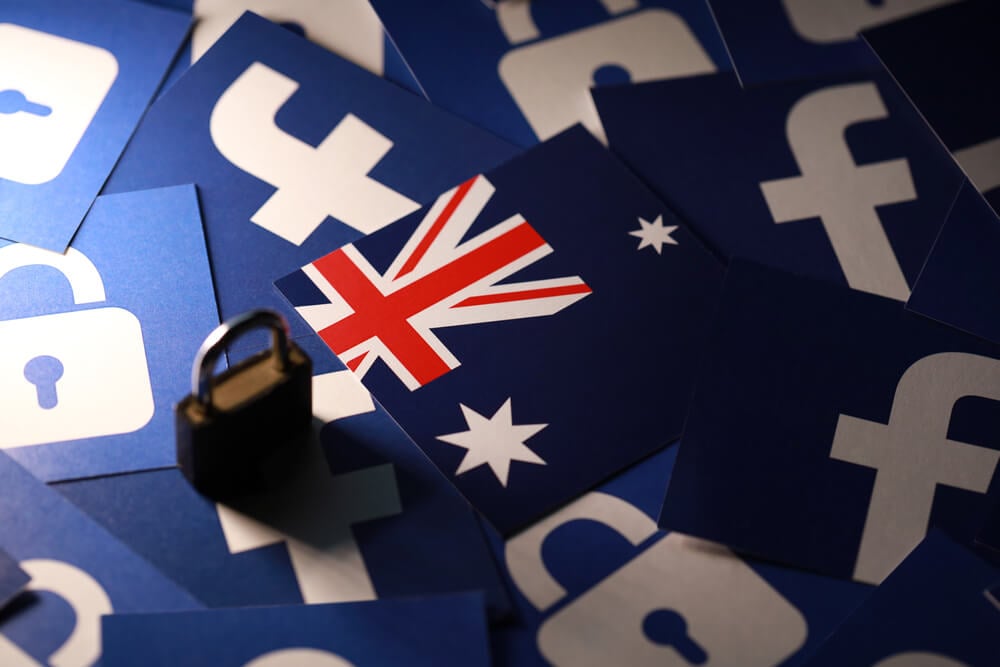 Australia is going to shape global expectations of online safety. If the rollout works, other countries will follow
I know many women in tech and many emerging leaders who observe these debates carefully, just like I do. We want to inspire future talent, foster ethical innovation, and build technology that empowers rather than harms.
This law gives us a reference point. It gives leaders a chance to lead with stronger values. It is an opportunity to create products focused on long-term well-being instead of constant engagement.
Although I don't often use the word hope, in this instance, it's paramount.
I hope this moment truly becomes fuel for change.
I hope young people gain safer environments.
I hope leaders rise with courage and clear thinking.
We need thoughtful, compassionate voices shaping the next era of digital life. Australia is leaping, and the rest of the world now decides whether to learn from it or repeat old patterns.
I hope we are ready to build a world where young people thrive instead of struggle.
